The Brotherhood of Locomotive Engineers Building
The Razing of "America's Finest Labor Temple"
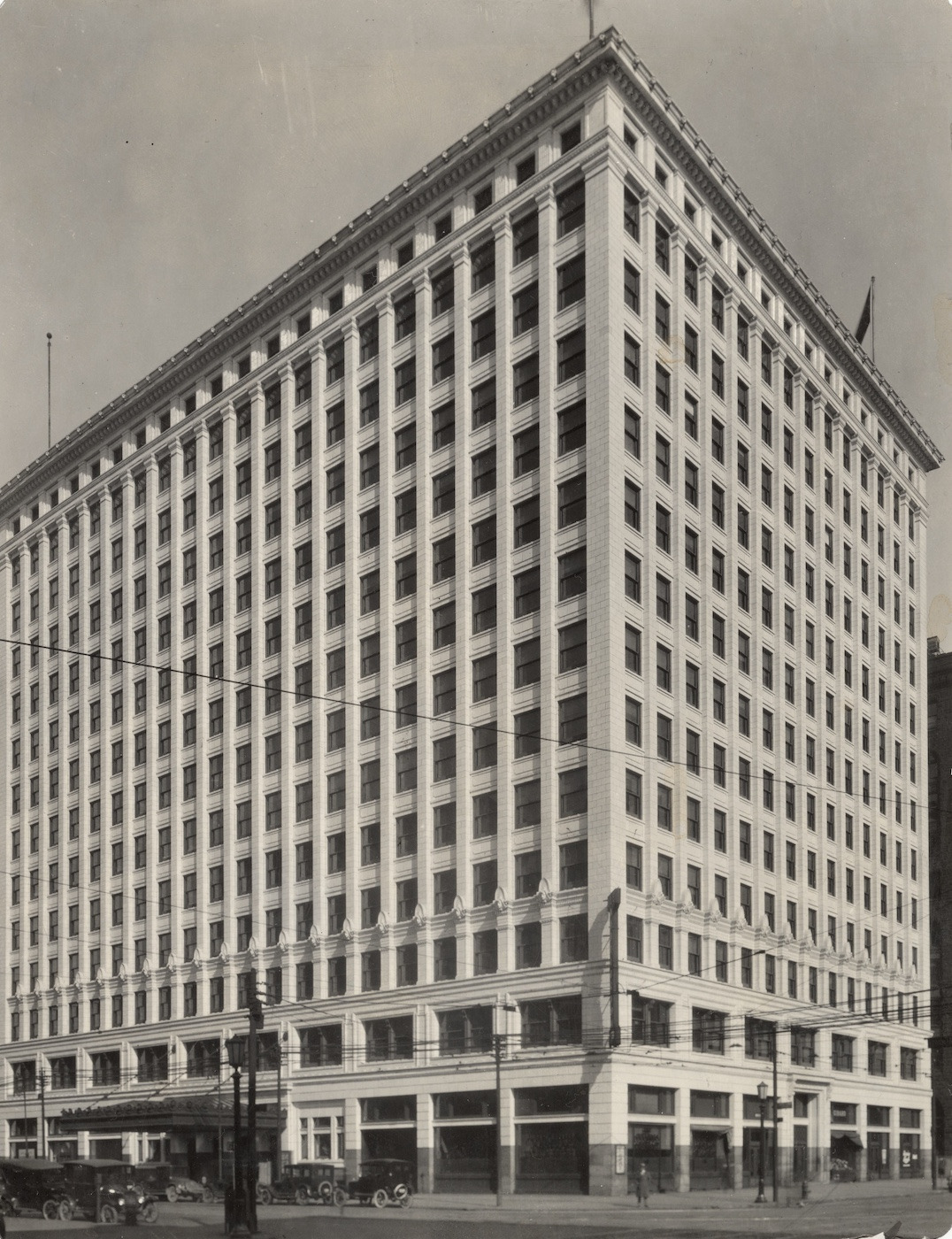
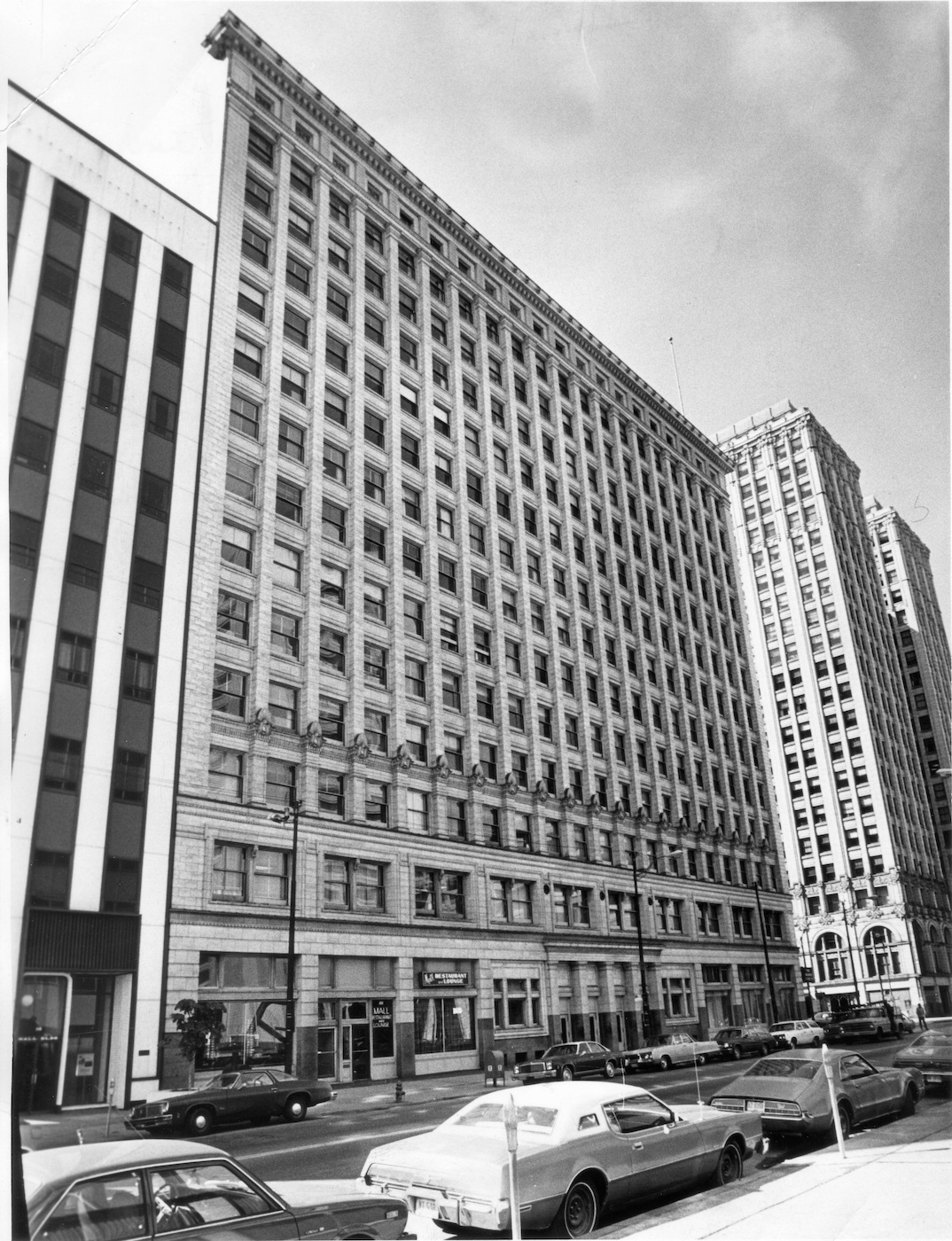
At the May 14, 1910 dedication of the Brotherhood of Locomotive Engineers Building—the first building in America built and financed solely by a labor union—Ohio governor Judson Harmon proudly called it "America's finest Labor Temple." Less than 80 years later, the 14-story building on the southeast corner of Ontario Street and St. Clair Avenue—fully occupied and its elegant auditorium recently restored—was unceremoniously torn down.
On July 16, 1903, P.M. Arthur, Grand Chief of the Brotherhood of Locomotive Engineers--the national labor union representing railroad engineers—died suddenly. His designated successor, A. B. Youngson, who was seriously ill at the time of Arthur's death, died two weeks later.
These events led to a required vote by the Grand Officers of the Brotherhood for the purpose of electing a new Grand Chief. They chose a young and dynamic engineer named Warren Stanford Stone, who was an advocate of "labor capitalism" (also often referred to as "shared capitalism" or "worker capitalism"), an economic model in which workers transitioned from solely selling their labor to also becoming financial stakeholders, investors, and owners of the capital to which they sold their labor. Employing that economic model in the ensuing two decades, Stone dramatically changed how his union had operated since its founding in 1863.
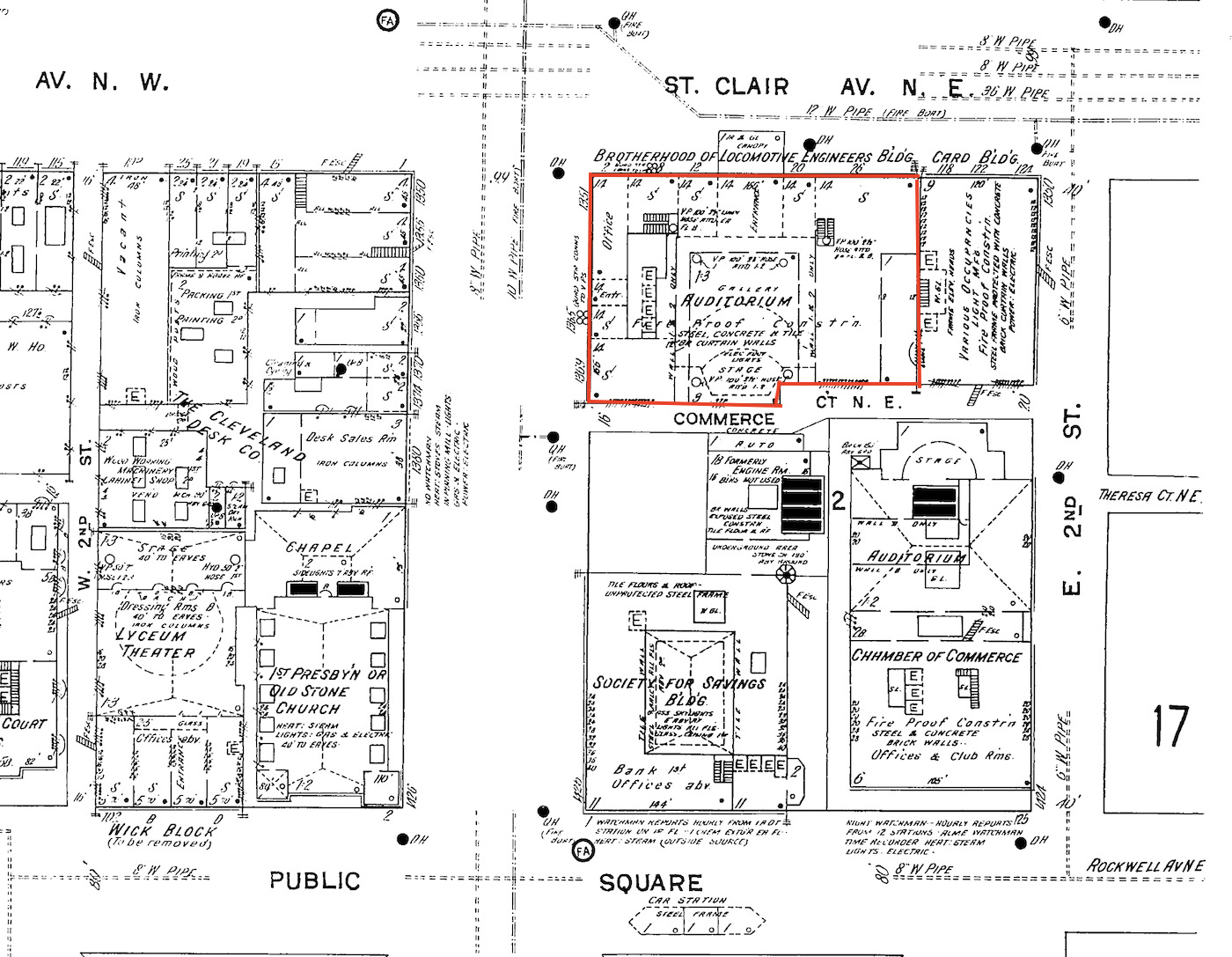
The Brotherhood of Locomotive Engineers had been headquartered in Cleveland since 1873, renting space over the years in several different office buildings downtown, including the Blackstone Building and the Society for Savings Building. At the Brotherhood's biennial convention in Columbus, Ohio in 1908, representatives from Columbus, Indianapolis, Minneapolis, Chicago, Detroit, and a number of other U.S. cities sought to persuade the Brotherhood to move its headquarters to one of their cities. Stone, the labor capitalist, used this information to induce Cleveland's government officials and local industry leaders to support his proposal that the Brotherhood build a skyscraper in downtown Cleveland that would both hold its headquarters but also provide a source of income to the Brotherhood.
Stone's strategy worked, and, with support from the City of Cleveland and local industry leaders, he was able in less than five months to successfully purchase approximately one-quarter of the block just north of Public Square formed by the streets Rockwell, Ontario, St. Clair, and Park Place (East 2nd), and to hire the architectural firm of Knox & Elliot to design a skyscraper for the site.
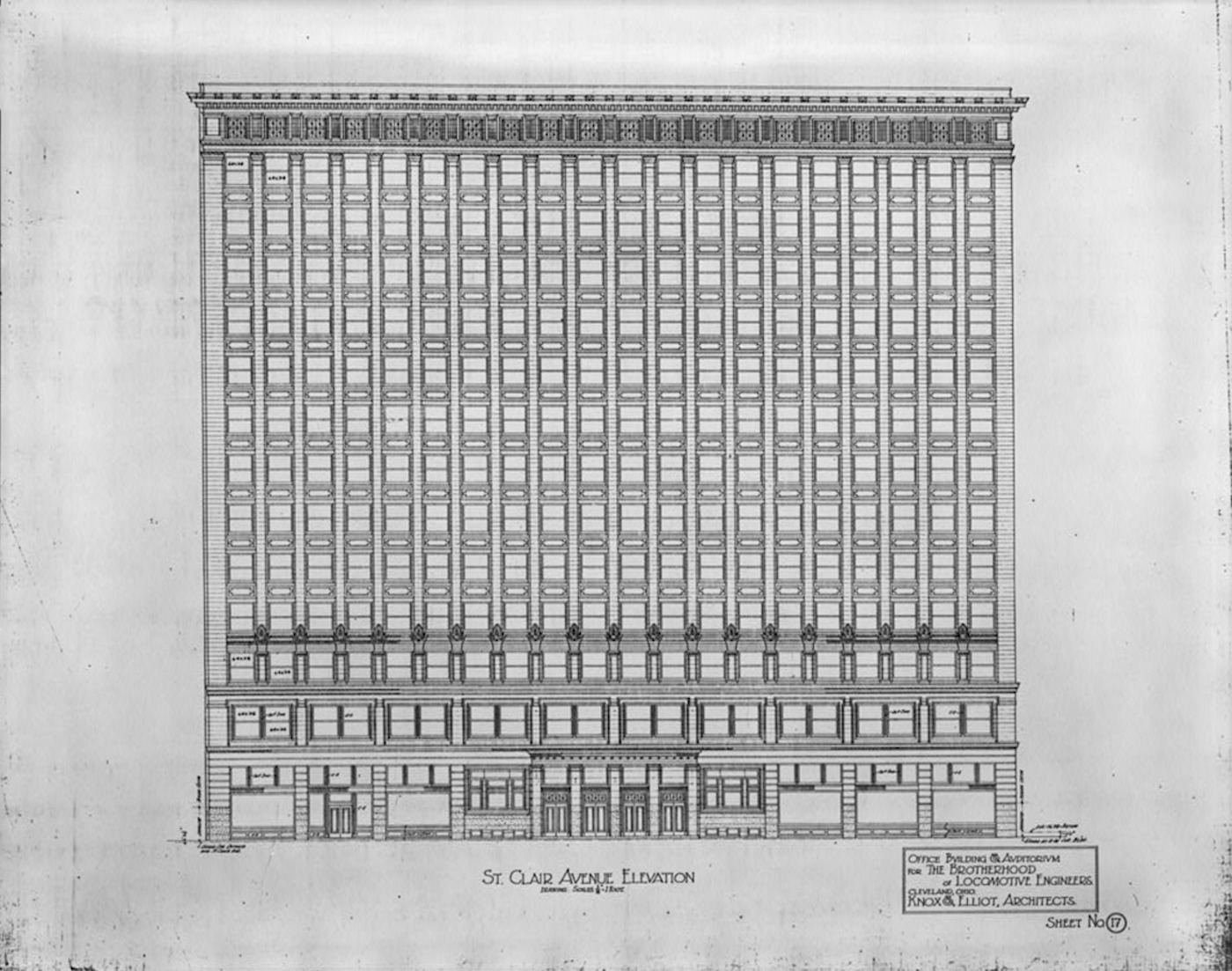
Knox & Elliot was an excellent architectural firm choice. Wilm Knox, a Scottish immigrant and engineer by trade, and John Elliot, a Toronto native trained in design, met in Chicago while working in the offices of famed architects Burnham & Root. They formed a partnership that initially practiced in Toronto before they moved their firm to Cleveland in 1893.
While initially they were known for their industrial building designs, in 1904 they designed the Rockefeller Building on West Superior Avenue for John D. Rockefeller, and in 1908 the iconic Hippodrome Building. Warren Stone may have thought to himself, "If they're good enough for Rockefeller, they're good enough for us." The Brotherhood of Locomotive Engineers voted, on November 25, 1908, to hire Knox & Elliot to design their building in downtown Cleveland.
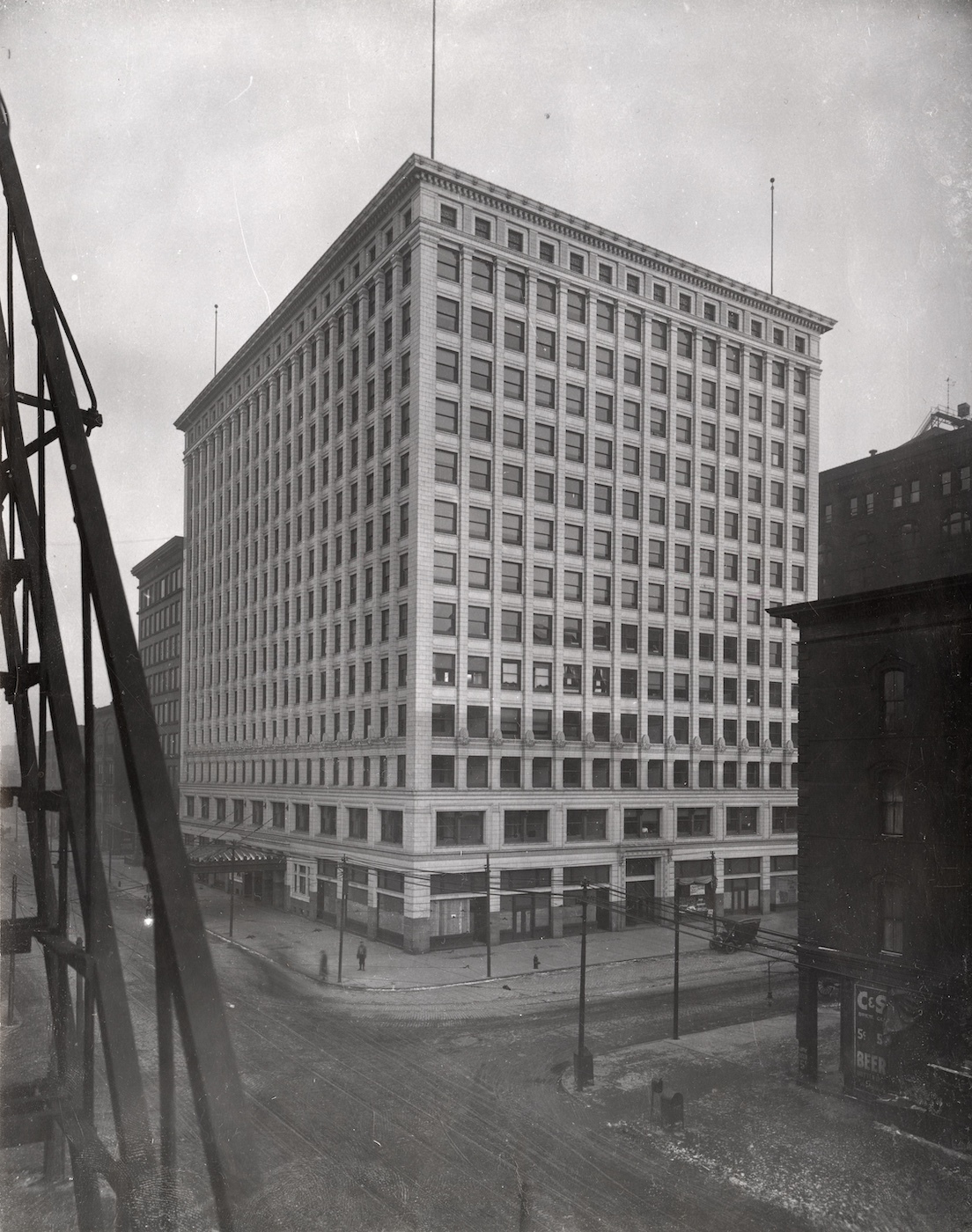
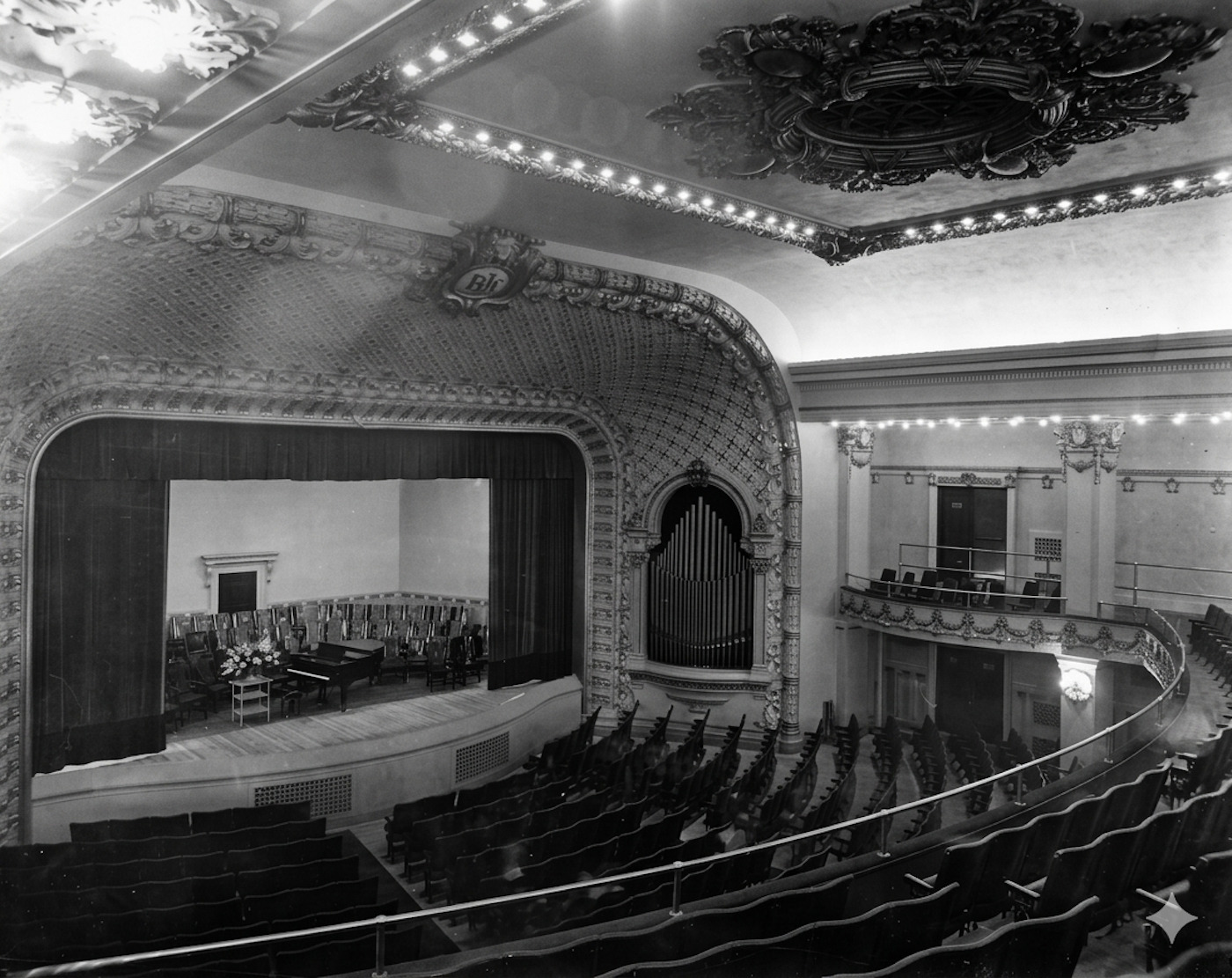
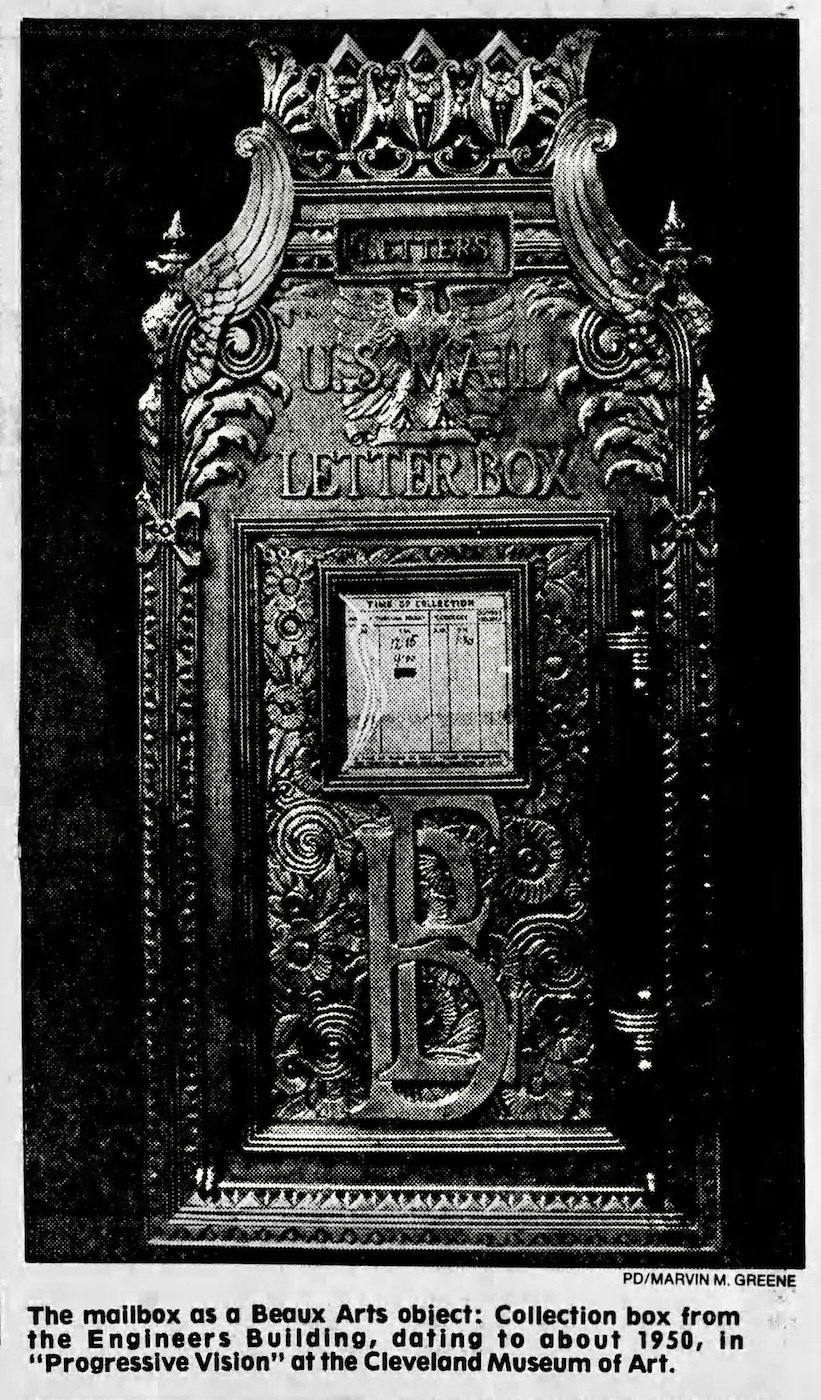
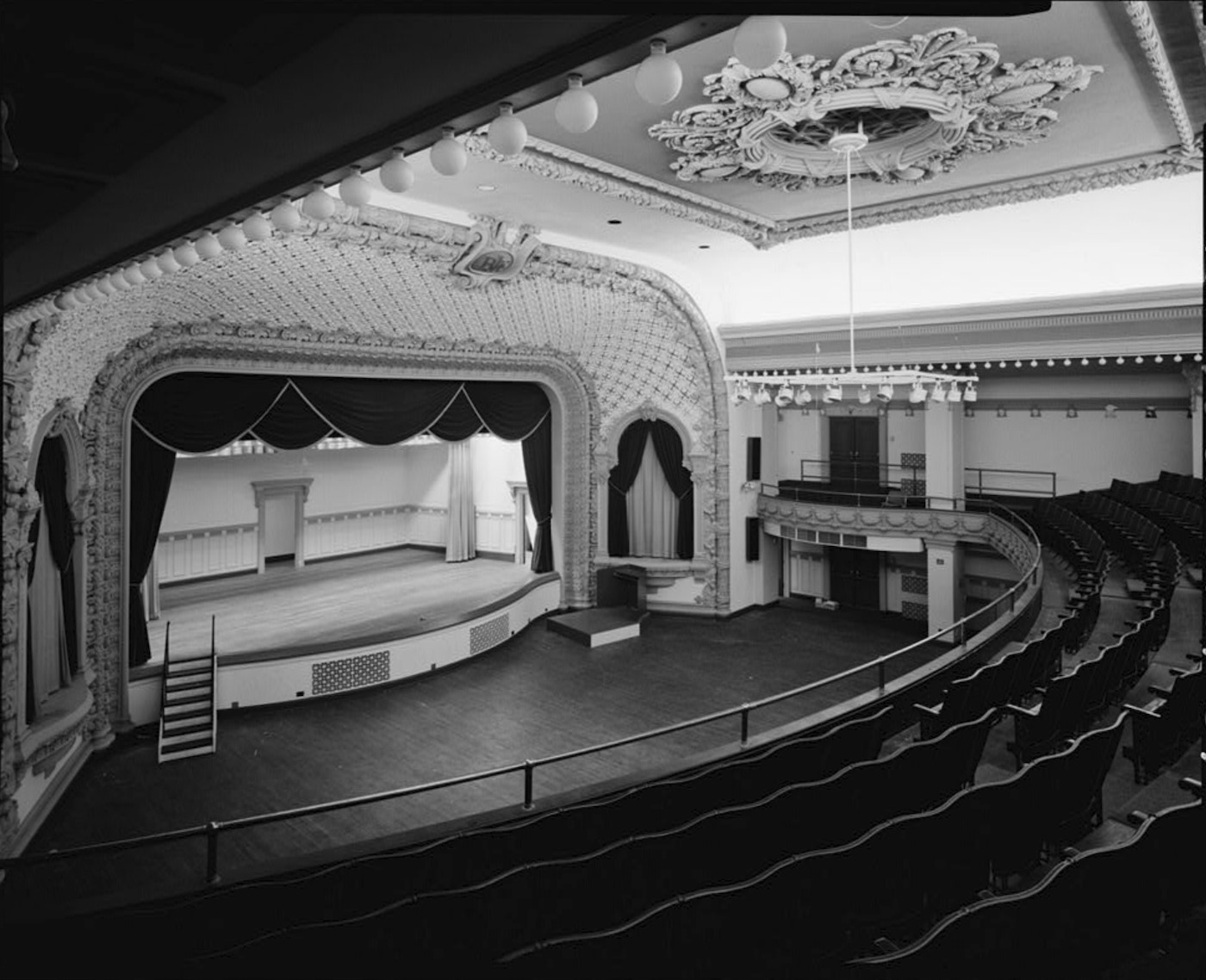
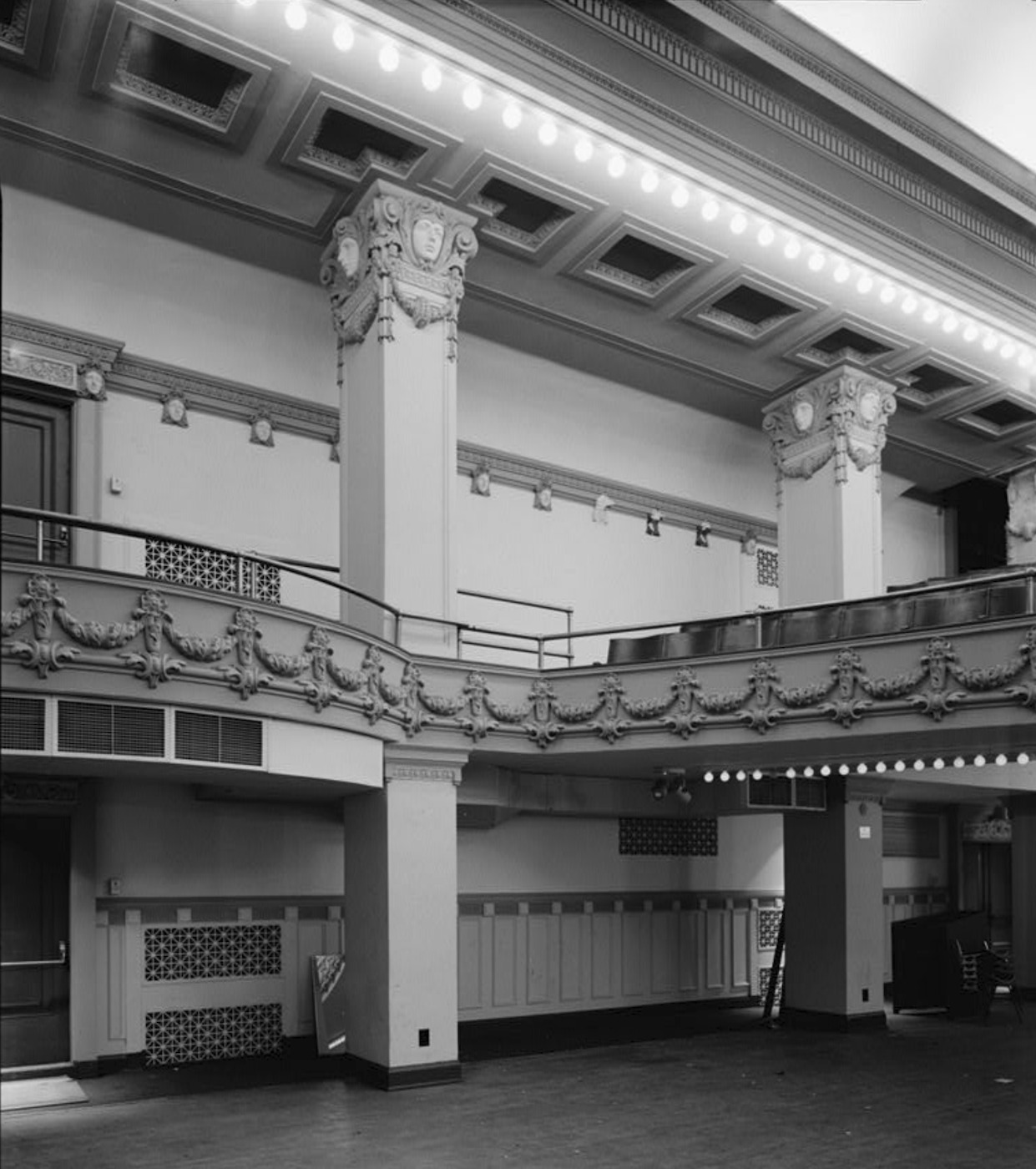
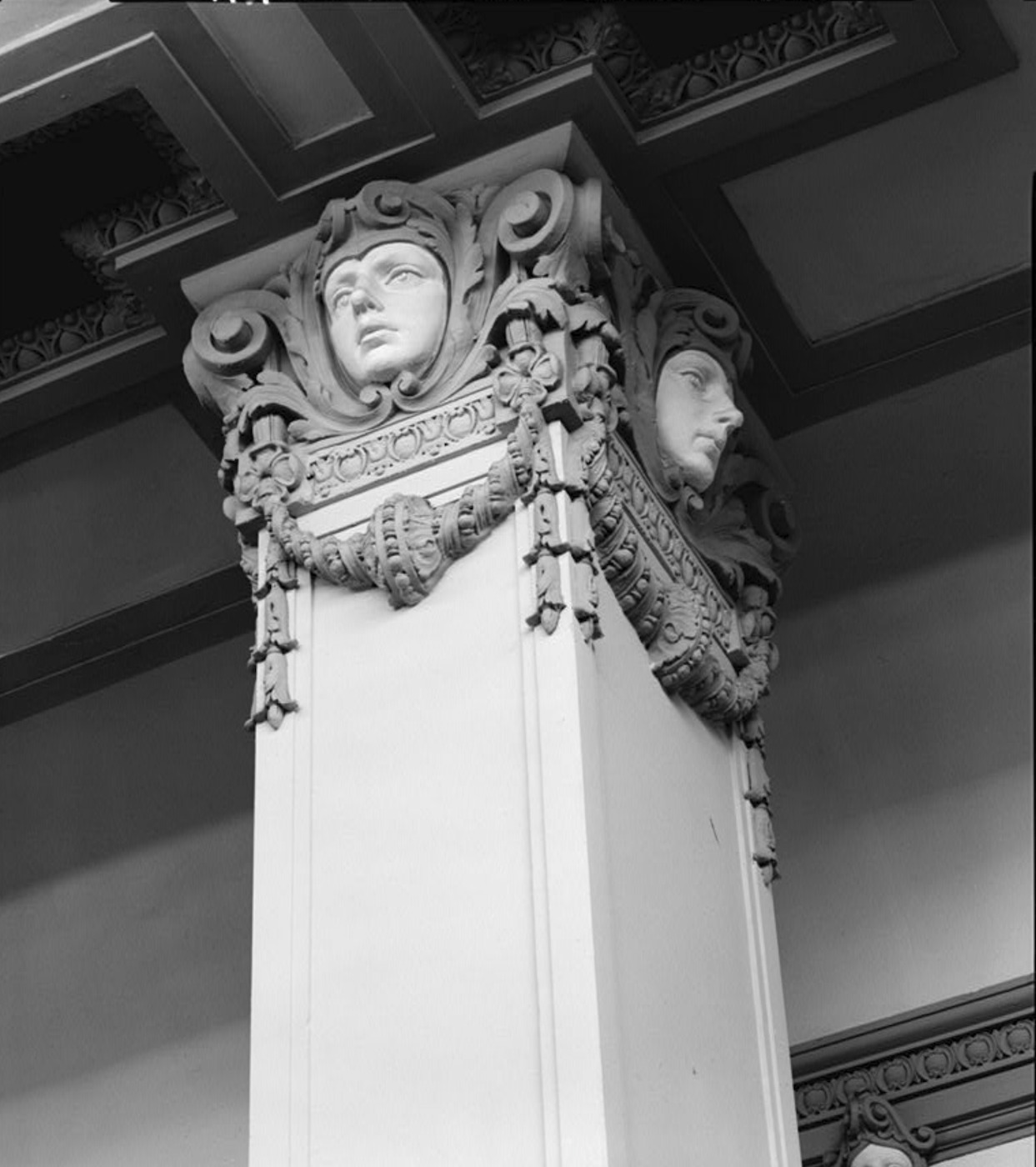
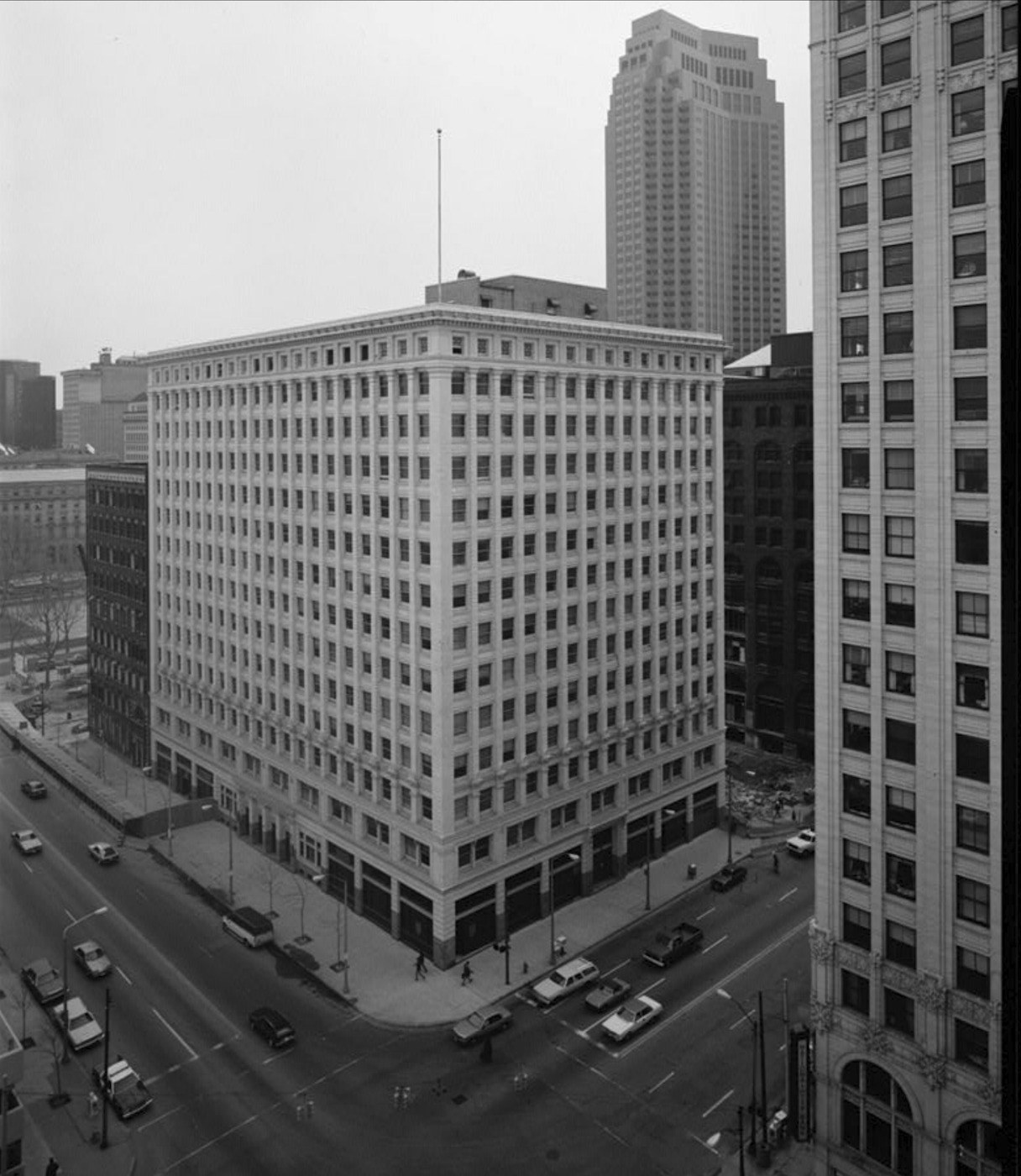
As they had done with the Rockefeller Building, Knox & Elliot designed the Brotherhood of Locomotive Engineers Building in the Sullivanesque skyscraper style originated in Chicago, rather than in the Beaux-Arts or Renaissance styles then more in vogue. However, unlike the Rockefeller Building, Knox & Elliot designed the north and west sides of the Engineers Building to have terra cotta facades, which professionals had learned better held their original look in grimy industrial cities than did the more traditional brick or stone. Fourteen stories tall, the building was designed with two entrances. The Ontario Street entrance led into a lobby with elevators to the upper floors, while the St. Clair Avenue entrance provided access to a separate foyer leading to the building's first-floor auditorium, a beautifully designed space with seating capacity of 1,200.
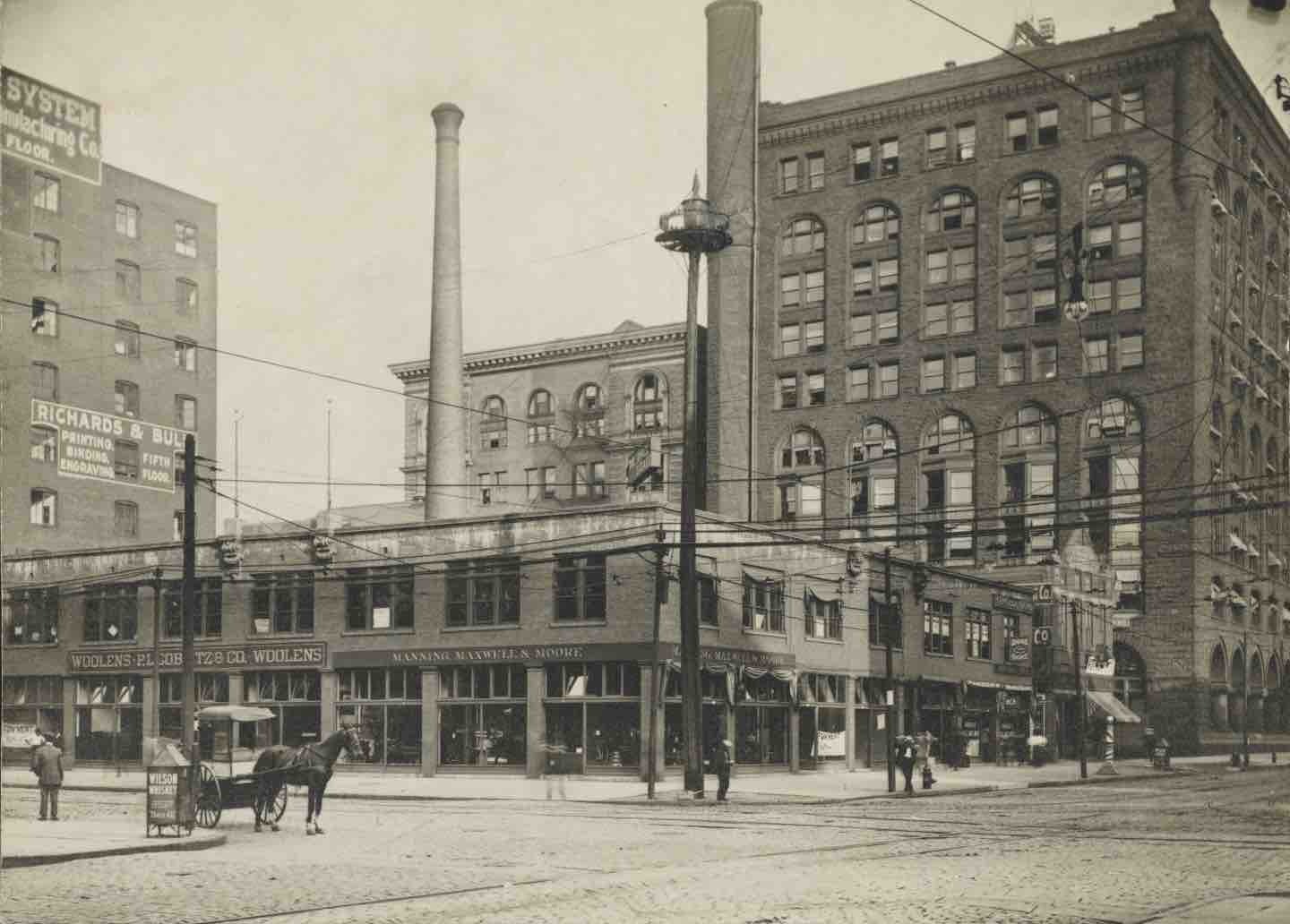
In the spring of 1909, work began on the site. The Tabernacle Block, which had stood on the southeast corner of Ontario Street and St. Clair Avenue for just three years was first torn down. It had replaced the People's Tabernacle, the 1876 building which was said by Cleveland journalist W. R. Rose (father of historian William Ganson Rose) to be Cleveland's first permanent auditorium.
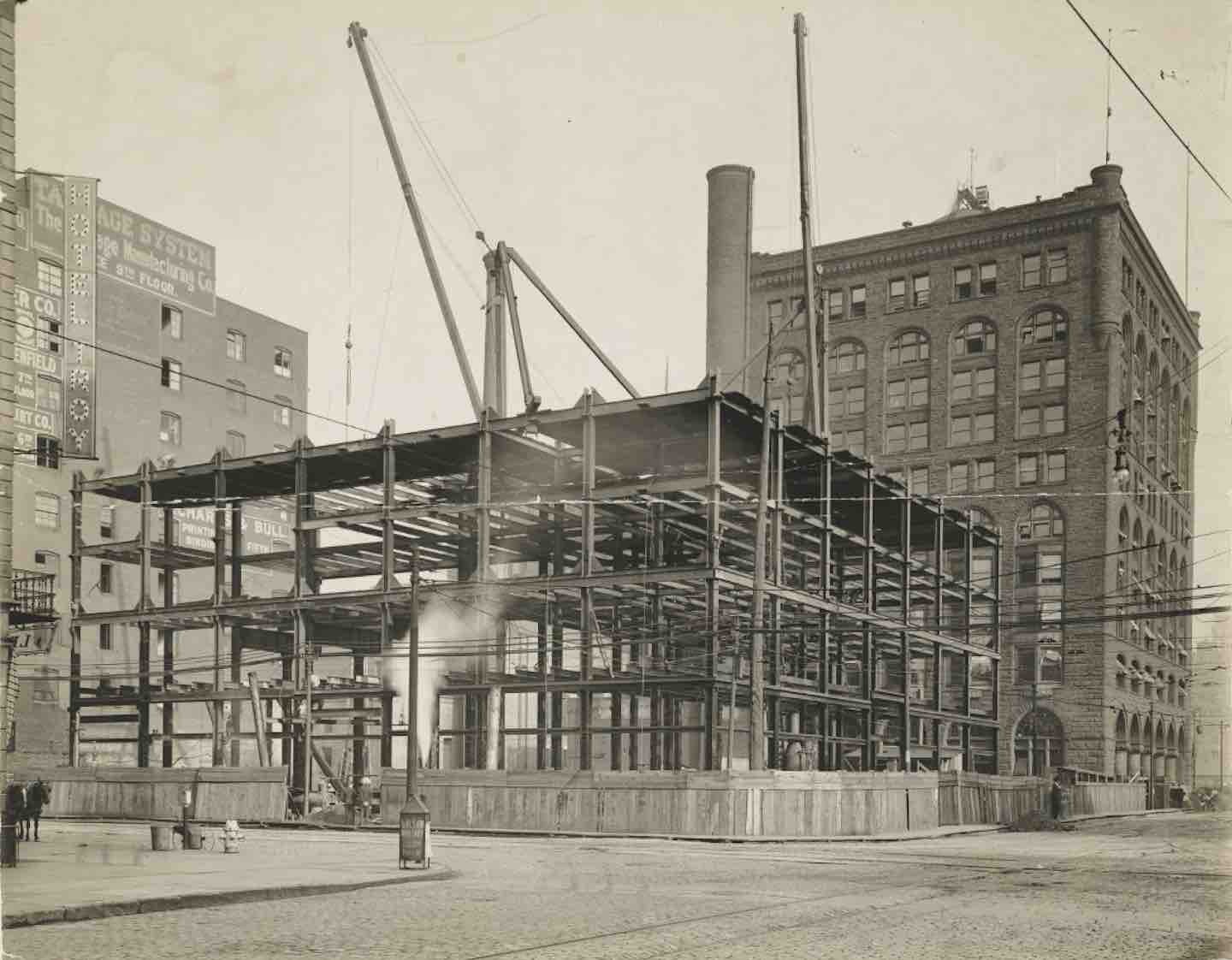
After the Tabernacle Block was torn down, construction of the Brotherhood of Locomotives Building commenced and was completed by May 1910. At the dedication of the new building Ohio's governor, Judson Harmon, called the building "America's Labor Temple." It was also noted at the dedication ceremony that this was the first building in America built for and owned by a labor union.
In 1915, the Brotherhood of Locomotive Engineers Building, held the first of its triennial—later, quadrennial—national conventions. The first convention opened on May 12 and was in session for three weeks until the convention closed on June 5. It drew 800 delegates representing the 74,000 members of the union, as well as thousands of non-delegate visitors. Attendees spent a total of $200,000 during their stay in Cleveland, the equivalent of almost $7 million in 2026.
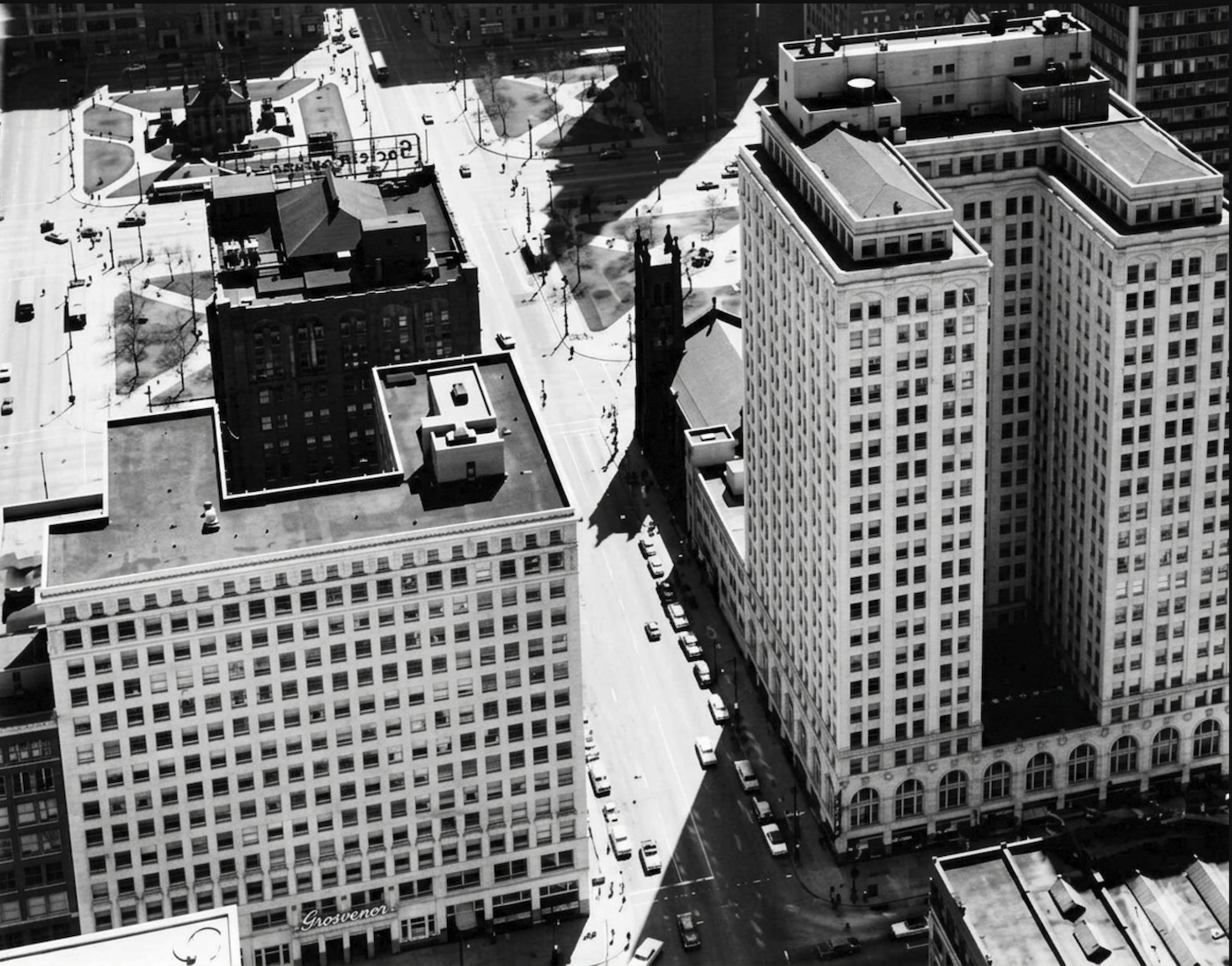
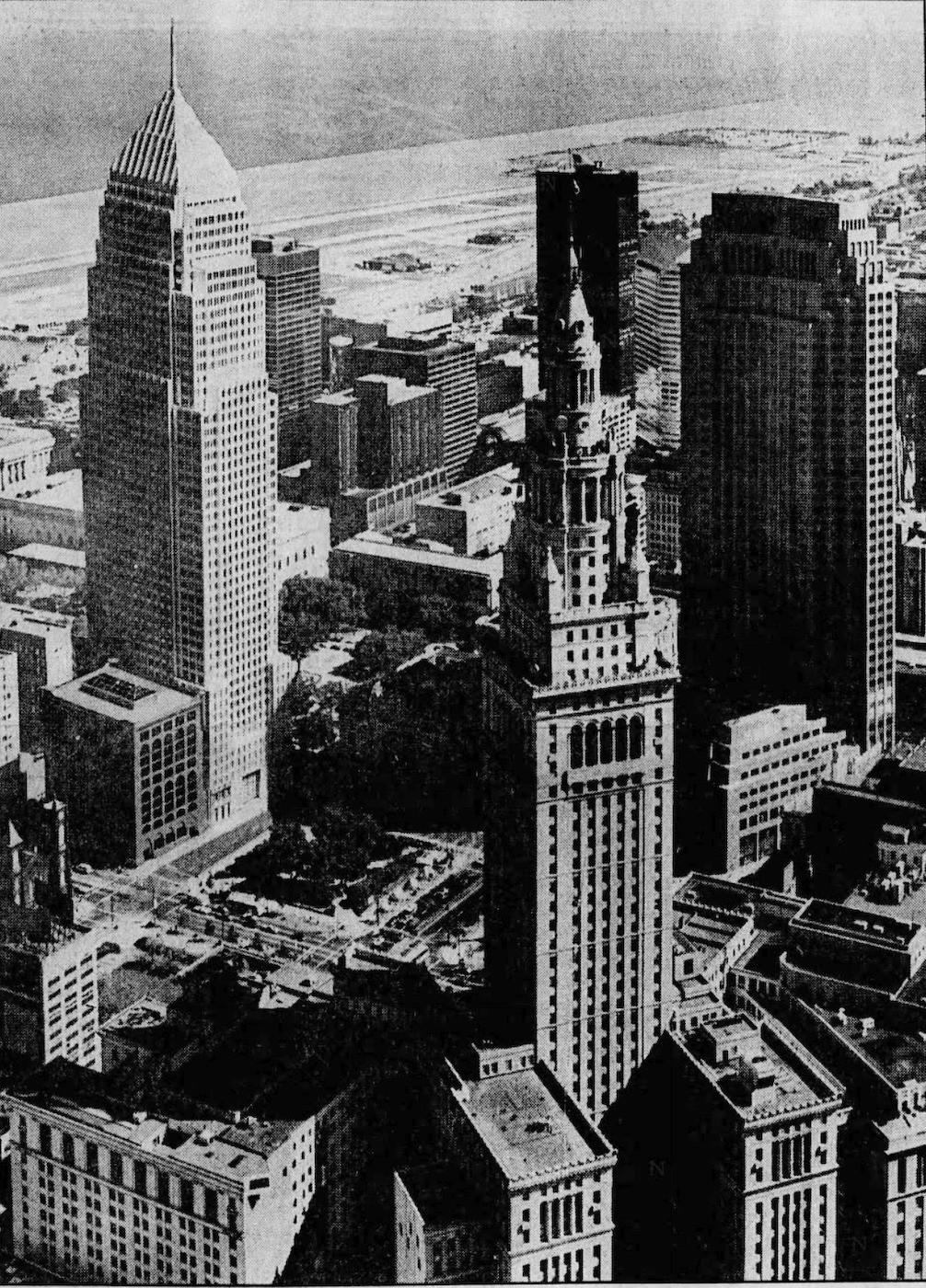
In 1925, under Stone's leadership, the Brotherhood of Locomotive Engineers constructed another building in downtown Cleveland across Ontario Street from the Engineers Building. Known originally as the Brotherhood of Locomotive Engineers Bank Building, it later became the Standard Building, the name by which it is known today. Like the Engineers Building, the Standard Building was built with a terra cotta facade and like the Engineers Building it was built in a "C" shape. While the open part of the "C" faced south on the Engineers Building, it faces north on the Standard Building. The symmetry between the two buildings on adjacent corners of Ontario Street and St. Clair Avenue made them appear as a gateway to drivers on Ontario Street heading south from Lakeside Avenue.
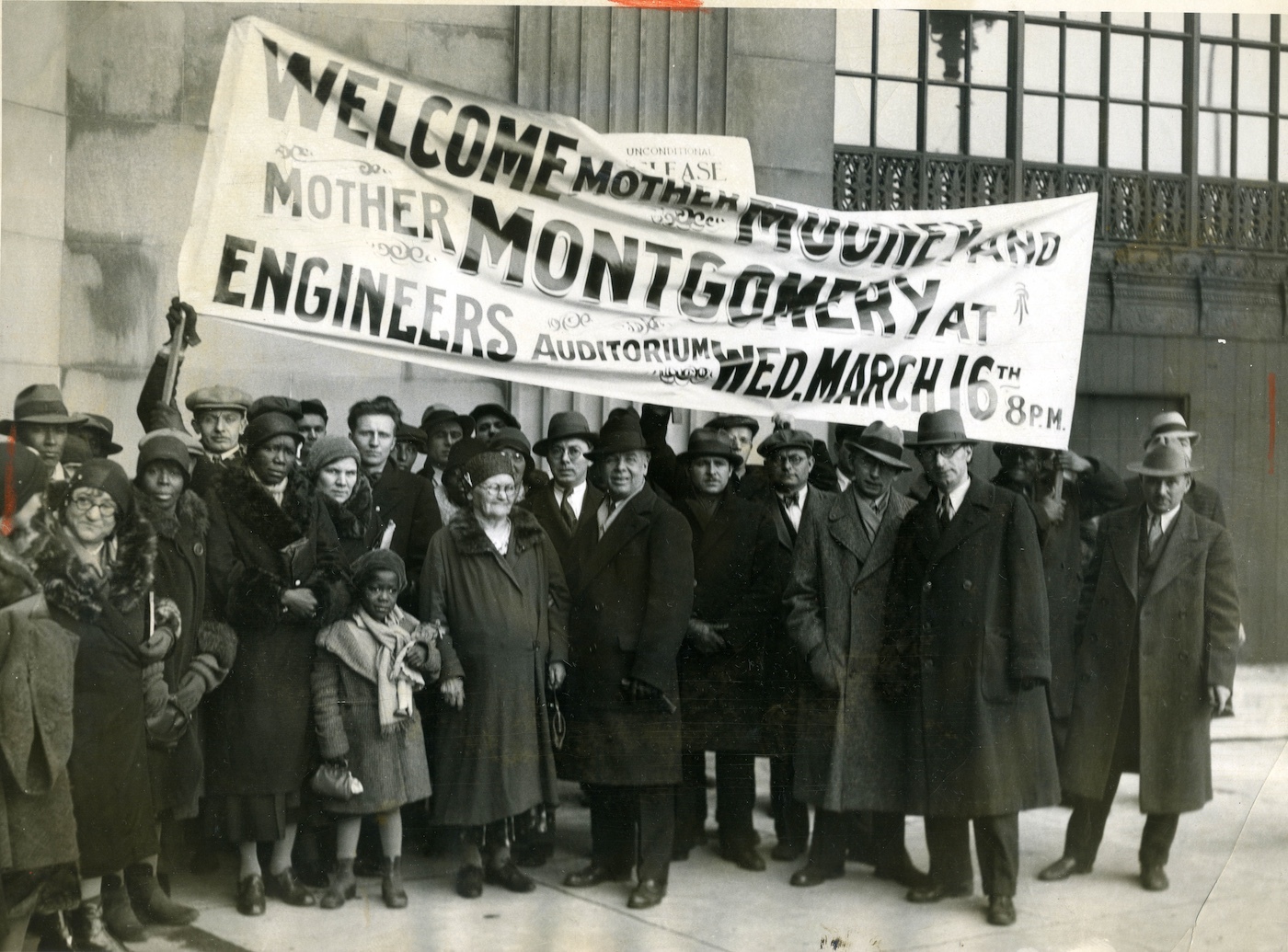
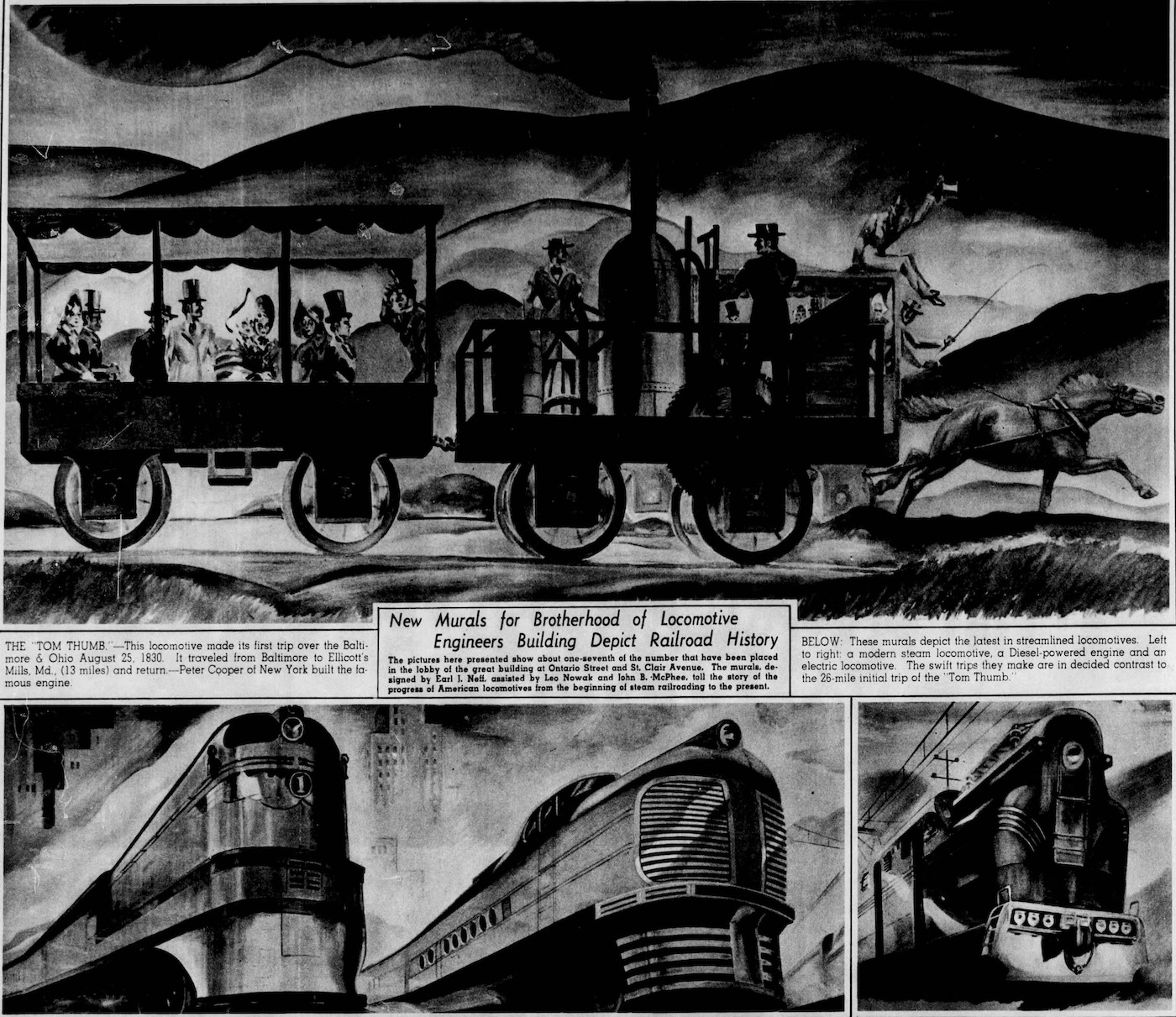
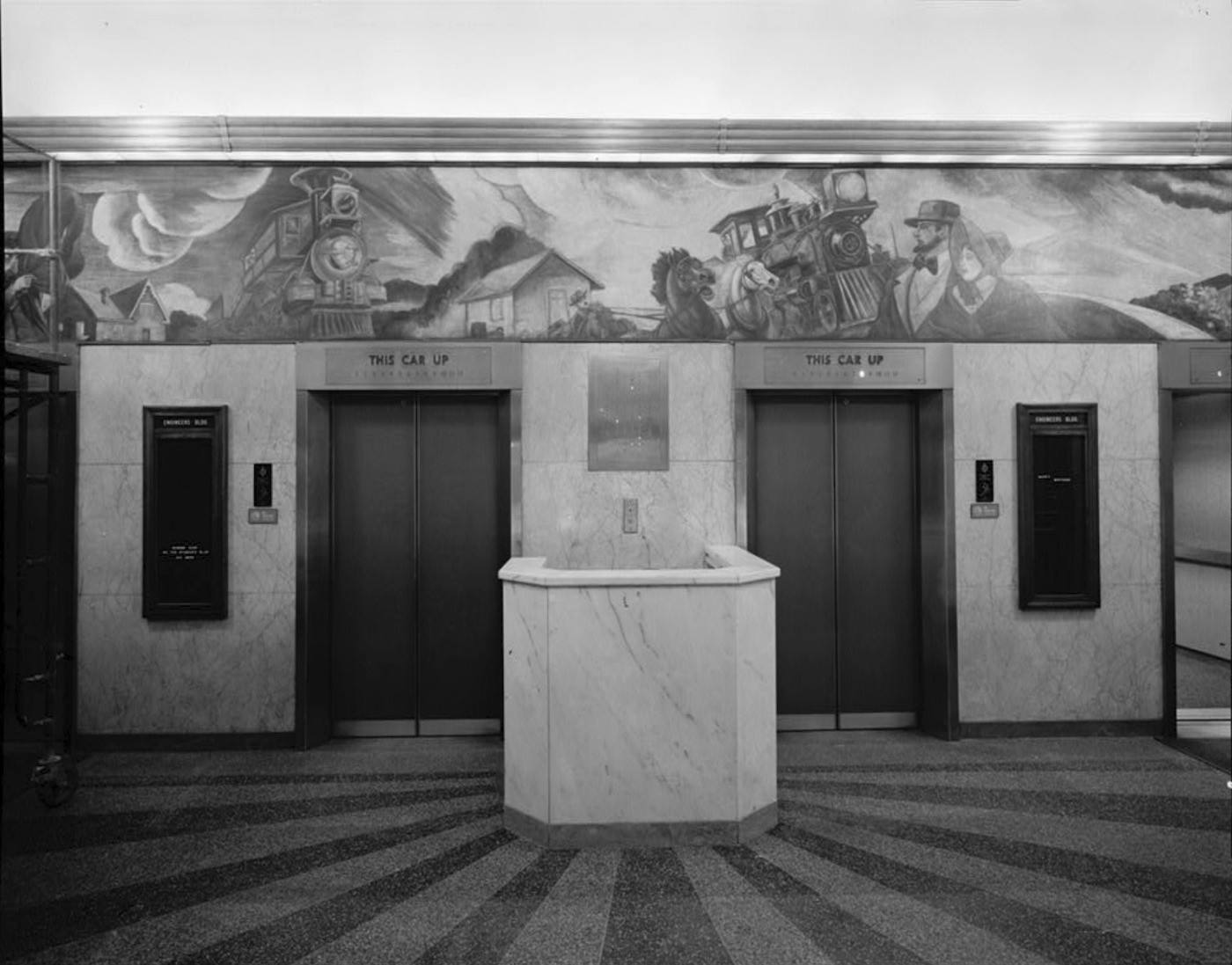
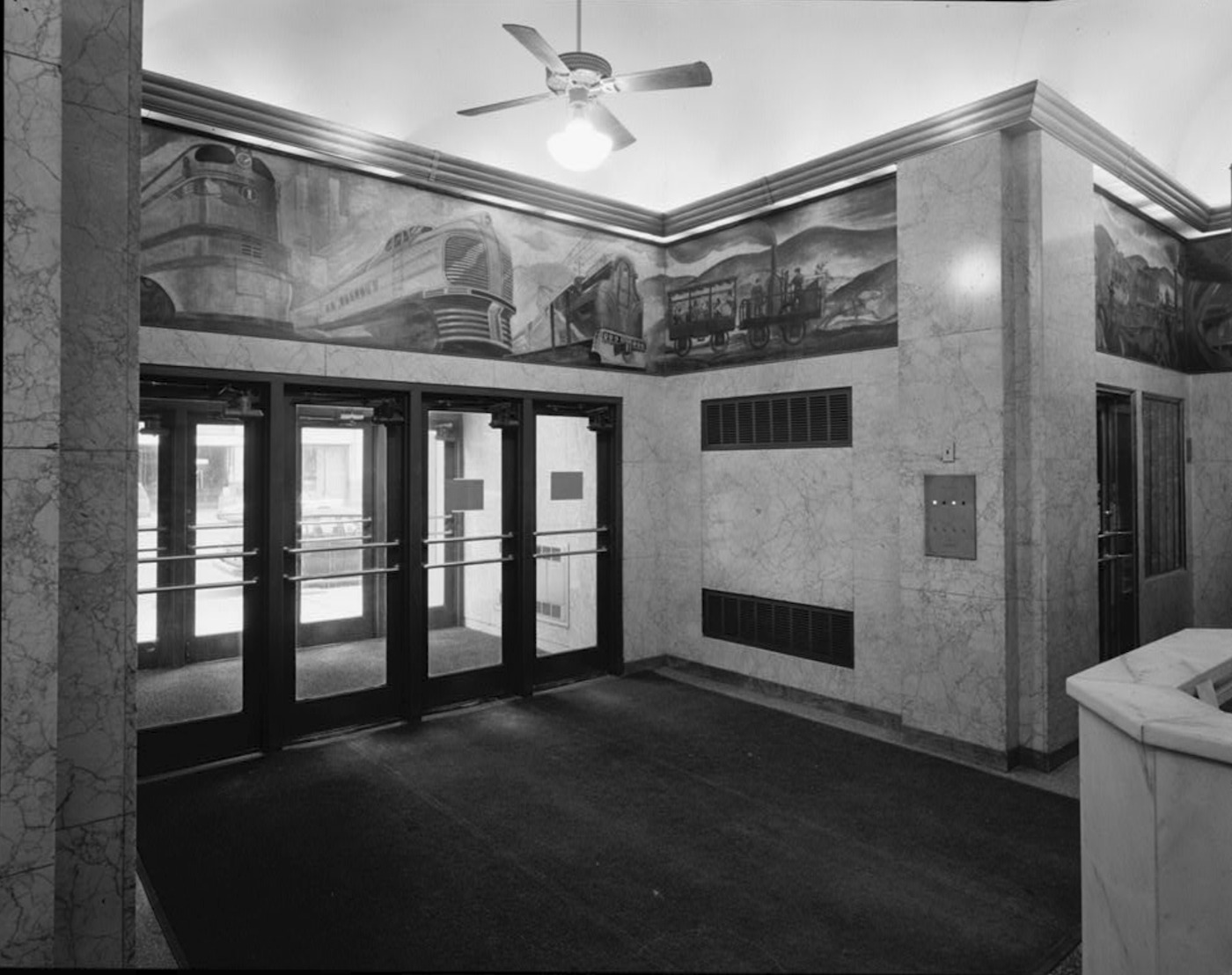
Over the years, the Brotherhood of Locomotive Engineers served as a good steward to both buildings. Regarding the Engineers Building, in 1937 it was remodeled and renovated. Included in the remodeling was a series of murals installed by the Federal Art Project of the Works Progress Administration (WPA) in the building's two lobbies. The murals beautifully and dramatically depicted the history of railroads in America. In 1982, the building's beautiful 1200-seat auditorium was carefully and completely renovated. Thereafter, in addition to uses by the Brotherhood, it began to host other events such as music concerts. At the time of the 1982 renovation and for the remainder of the decade, the Engineers Building was nearly always fully occupied. The building was especially popular with law firms that desired offices located near to the Cuyahoga County Courthouse and the Justice Center.
As the Brotherhood of Locomotive Engineers was renovating its downtown buildings, including the Engineers Building in the early 1980s, the City of Cleveland, led at the time by Mayor George Voinovich, was engaged in a substantial effort to rebuild its downtown area, with the hope of attracting new businesses and national conventions to Cleveland. One of the first of these efforts involved supporting the plan of the Standard Oil Company (today BP) to build a new headquarters building in downtown Cleveland.
While Sohio, as Standard Oil was known in Ohio, initially in 1981 sought to build its new building on the block upon which the Engineers Building was located, the Brotherhood of Locomotive Engineers declined to sell their building to Sohio, which then instead selected a different block—east, rather than north, of Public Square— to build its skyscraper.
Several years after the Sohio building went up on Public Square, a significant corporate change occurred at Society Corp., the parent company of Society Bank. In 1986, it merged with Centran, the parent company of Central National Bank, forming a new bank known as Society National Bank. Robert Gillespie was named CEO of the new bank. Almost immediately, he expressed interest in redeveloping the block north of Public Square where the Society for Savings bank building, the Engineers Building, and a third building—the Mall Building (formerly the Card Building)—all stood.
In late 1986, Gillespie took two actions to promote his plan: first, he vacated the historic Society for Savings building on the Square and moved the headquarters of the new Society National Bank to the Superior Building on Superior Avenue near East Ninth Street; and second, he hired the real estate firm of Victor Voinovich, Mayor George Voinovich's brother, to attempt to purchase the other two buildings on the block not owned by Society Bank. While Victor Voinovich was successful in persuading the owner of the Mall Building to sell that building to Society Corp. in December 1986, his efforts to get the Brotherhood of Locomotive Engineers to sell were not successful, the Brotherhood once again indicating that the Engineers Building was not for sale.
As early as March 1987, historians and preservationists, including Carol Poh Miller, took note of the actions of the president of Society National Bank and warned of the danger its posed to two of downtown Cleveland's historic buildings—the Society for Savings Building and the Brotherhood of Locomotive Engineers Building.
Later in 1987, the real estate development firm of Jacobs, Visconsi, and Jacobs (JVJ)—later renamed the Richard and David Jacobs Group, and then the Richard E. Jacobs Group— was retained by Society Corps. to conduct a study of the block to determine the feasibility of redeveloping it with a new office building and a hotel, with both the Society for Savings Bank and Engineers Building continuing to stand on the site. While the study conducted by Harry Weese and Associates, a well-respected Chicago architectural firm with extensive experience in landmark buildings, indicated that it could be done, JVJ rejected the study, contending that the Engineers Building could not successfully be incorporated into the new development.
JVJ was not the only one to reject Weese's report. The federal and Ohio government agencies providing funding and tax cuts for the project eventually allowed JVJ to proceed even after it had rejected the study that they had required of it as a condition for entitlement to funding, tax cuts and building permits.
Cleveland Mayor Voinovich's administration was also supportive of JVJ despite the company's refusal to commit to saving the Engineers Building. In 1987, the City of Cleveland was already planning to build an underground parking garage beneath the Mall to provide adequate parking for the Convention center. The JVJ plan to develop an office tower and hotel on the block just west of the Mall was therefore attractive not only to Society Corp. but also to the City of Cleveland, which began to view JVJ as a better choice than its current contractor (Allright Parking, Inc.) to build the garage.
As a result, Mayor Voinovich's economic development director contacted the Brotherhood of Locomotive Engineers in October 1987 and threatened to use the City's power of eminent domain—a legal process which empowers governments to acquire private property for public purposes—to acquire the Engineers Building for JVJ without the Brotherhood's consent. Shortly thereafter, in January 1988, Society Corp. entered into a contract with JVJ authorizing the latter to build the proposed skyscraper complex on the Society block.
Faced with the prospect of an expensive lawsuit that would likely result in its loss of ownership of the Engineers Buildings anyway, the Brotherhood of Locomotive Engineers capitulated to the City's eminent domain threat and sold its building to Society National Bank in July 1988 for a reported $15 million. After the sale, local historians and preservationists, including Carol Poh Miller, Laura A. McShane and Steven J. McQuillan mounted a final attempt to save the Engineers Building in late 1988. Other preservationists, however, including the Cleveland Restoration Society, prioritized saving the Society for Savings Building over the Engineers Building,
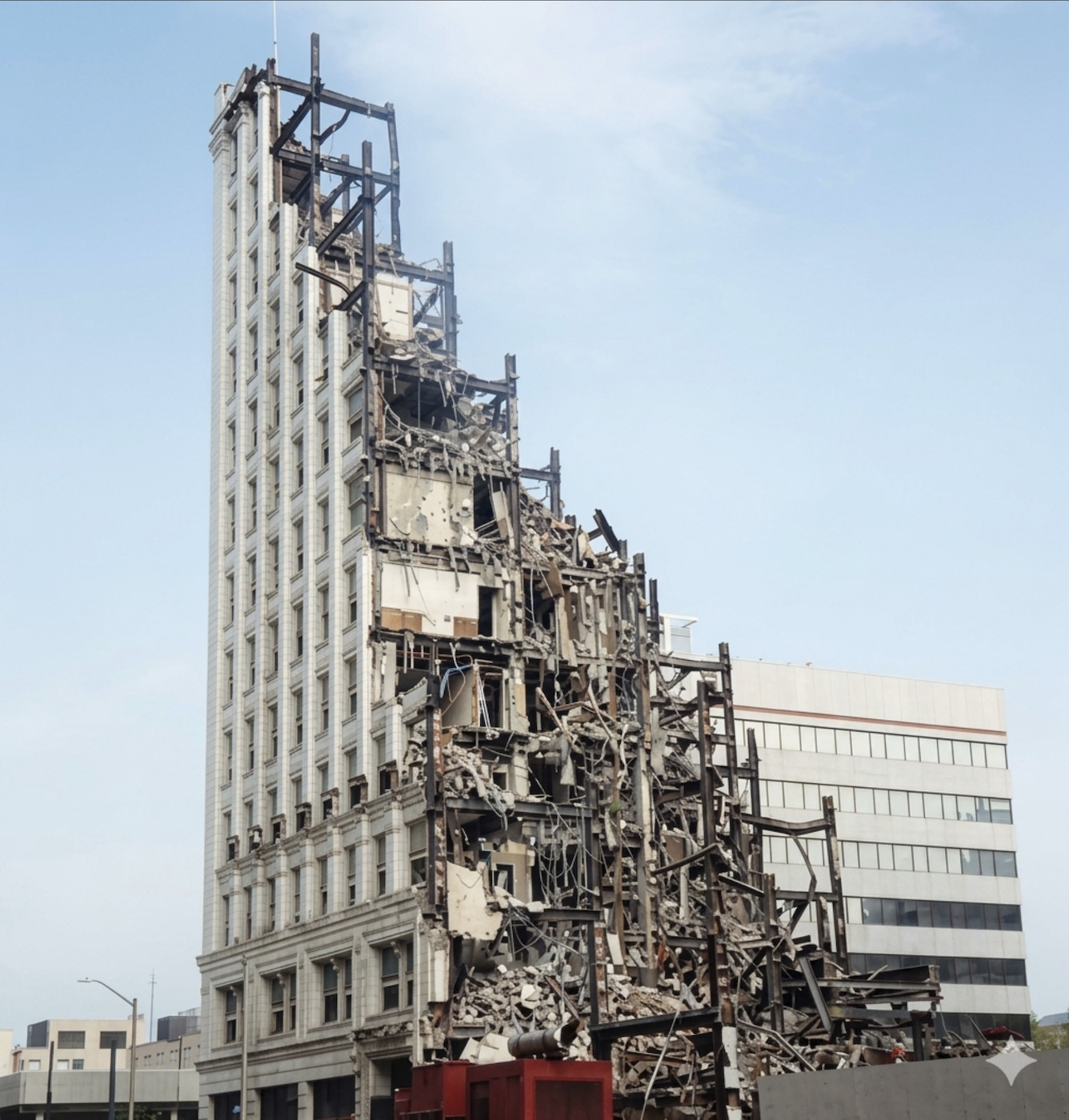
One year later, at some time between June and November 1989—the Plain Dealer did not carry a story of the event—the Richard and David Jacobs Group, having obtained all the necessary approvals from all federal, state, and local government agencies involved, tore down the historic Brotherhood of Locomotive Engineers Building. America's Labor Temple was no more.
Images