Fischer & Jirouch Company
The Architectural Ornament Studio That Decorated Cleveland
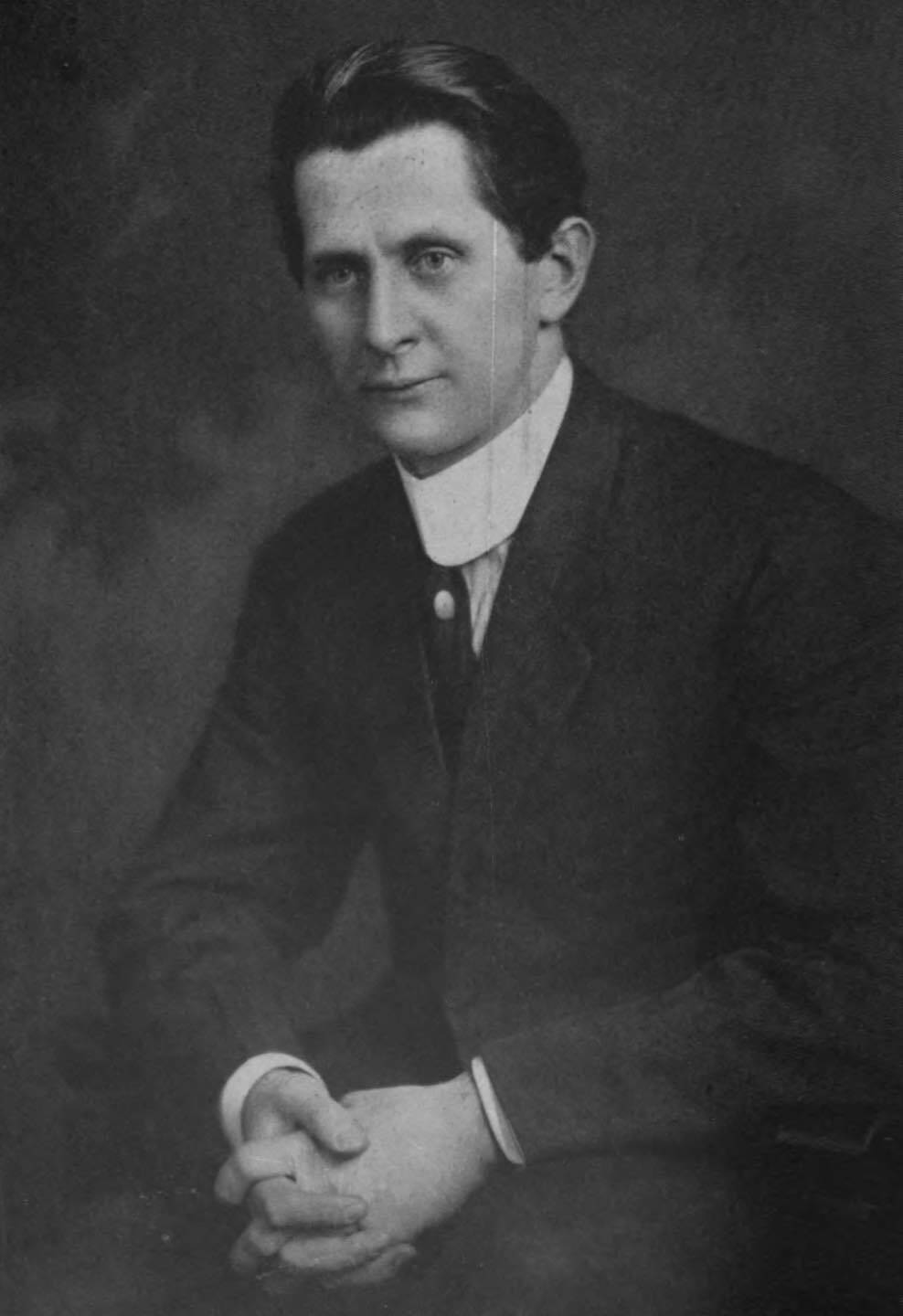
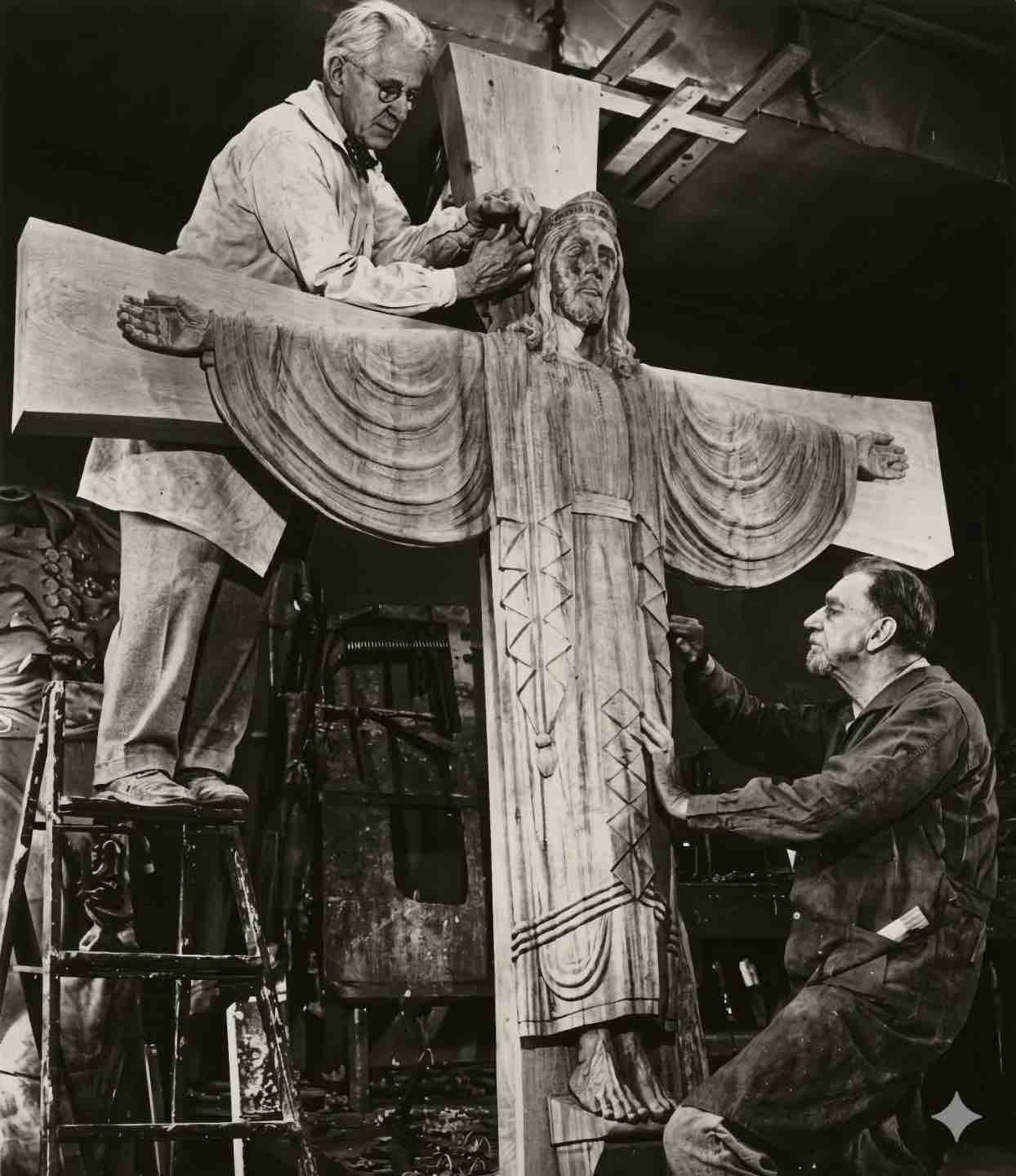
Life was not treating Frank Jirouch well. In 1892, at the age of 16, he had left school to take a job as a machinist at the White Sewing Machine Company, but it hadn’t taken him long to realize that machining wasn’t his passion. After several years of practicing his skills as a carver, in 1900, he jumped at the opportunity to join a major woodcarving project in Newark, New Jersey. This move set Jirouch on a path that would include co-founding one of the nation’s foremost decorative architectural relief sculpture studios, as well as making him a sought-after sculptor whose works may still be seen across the city and around the world.
Frank L. Jirouch was born to Czech immigrant parents in 1876 on Case Avenue (later East 40th Street) in a part of the Hiram House neighborhood later razed for the Northern Ohio Food Terminal. He attended the Fowler School in the Broadway neighborhood to the south before leaving at the end of his eighth-grade year in 1892 to work at White Sewing Machine in the Flats. Within a year, a banking “panic” plunged the nation into depression. By 1896, the unrelenting slump had claimed his machinist job, but Jirouch already knew his future was as a sculptor.
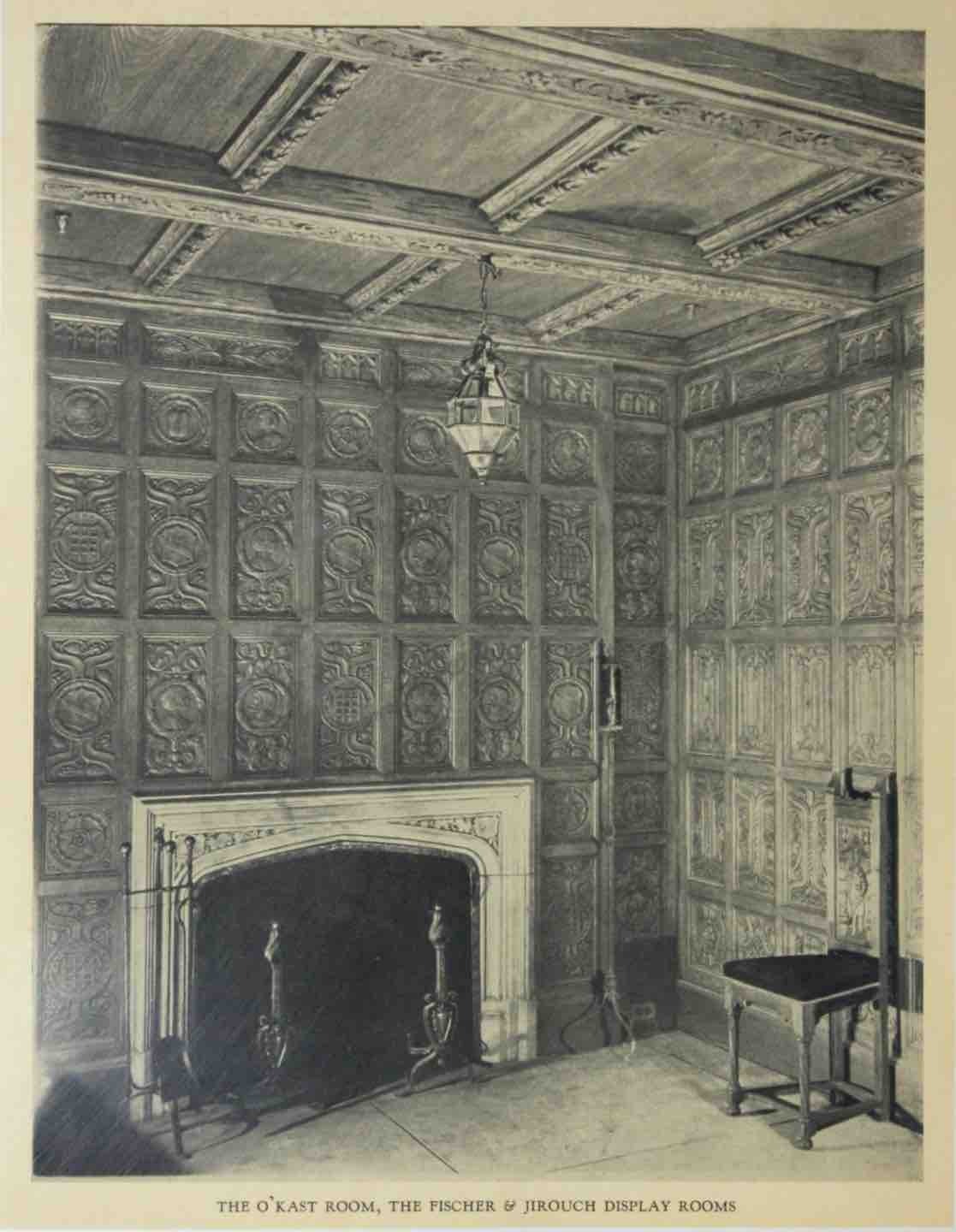
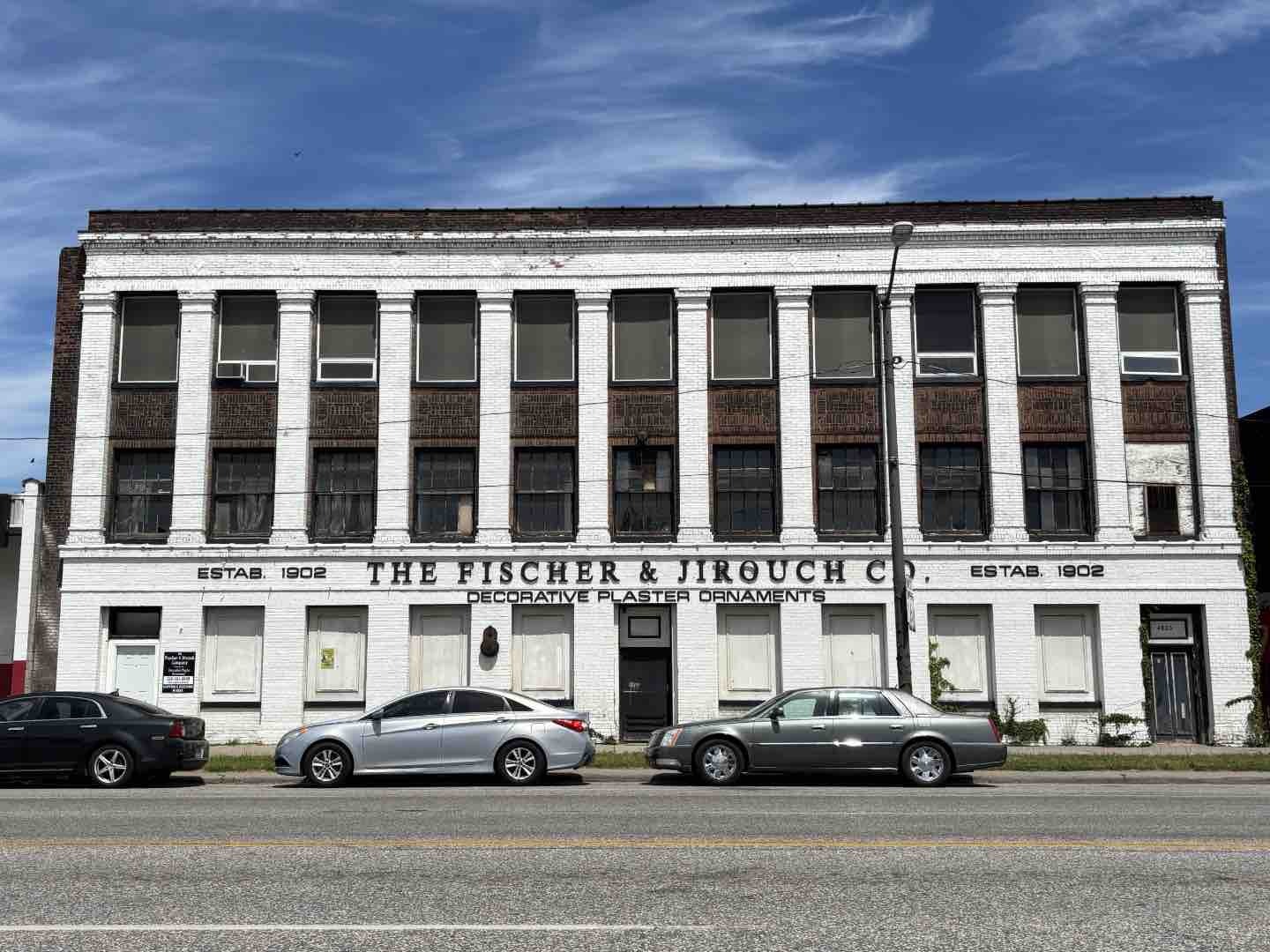
Opportunity knocked in 1900, when he learned that the Prudential Life Insurance Company was expanding its Newark, New Jersey, headquarters and was employing woodcarvers for interior work. Jirouch moved to Newark, working that job in the daytime and studying architectural modeling at night at the Mechanics Institute in Midtown Manhattan. After a year, he encouraged his friend, Cleveland woodcarver George J. Fischer, to join him on the Prudential project. Upon returning to Cleveland in 1902, the friends founded the Fischer & Jirouch Company in a tiny building at the corner of Huron and Middle Streets (now a grass plot across from Rocket Arena). Their specialties included decorative plaster relief sculptures and wood-carved interior elements. As they built their reputation, they soon found their studio too small, so they moved in 1906 to a larger building at Scovill Avenue and Erie Street (where the Innerbelt Freeway passes over East 9th Street today). Continuing to grow, Fischer & Jirouch moved once again, in 1910, to an even larger three-story building on Superior Avenue near East 49th Street that allowed ample space for their factory and a showroom.
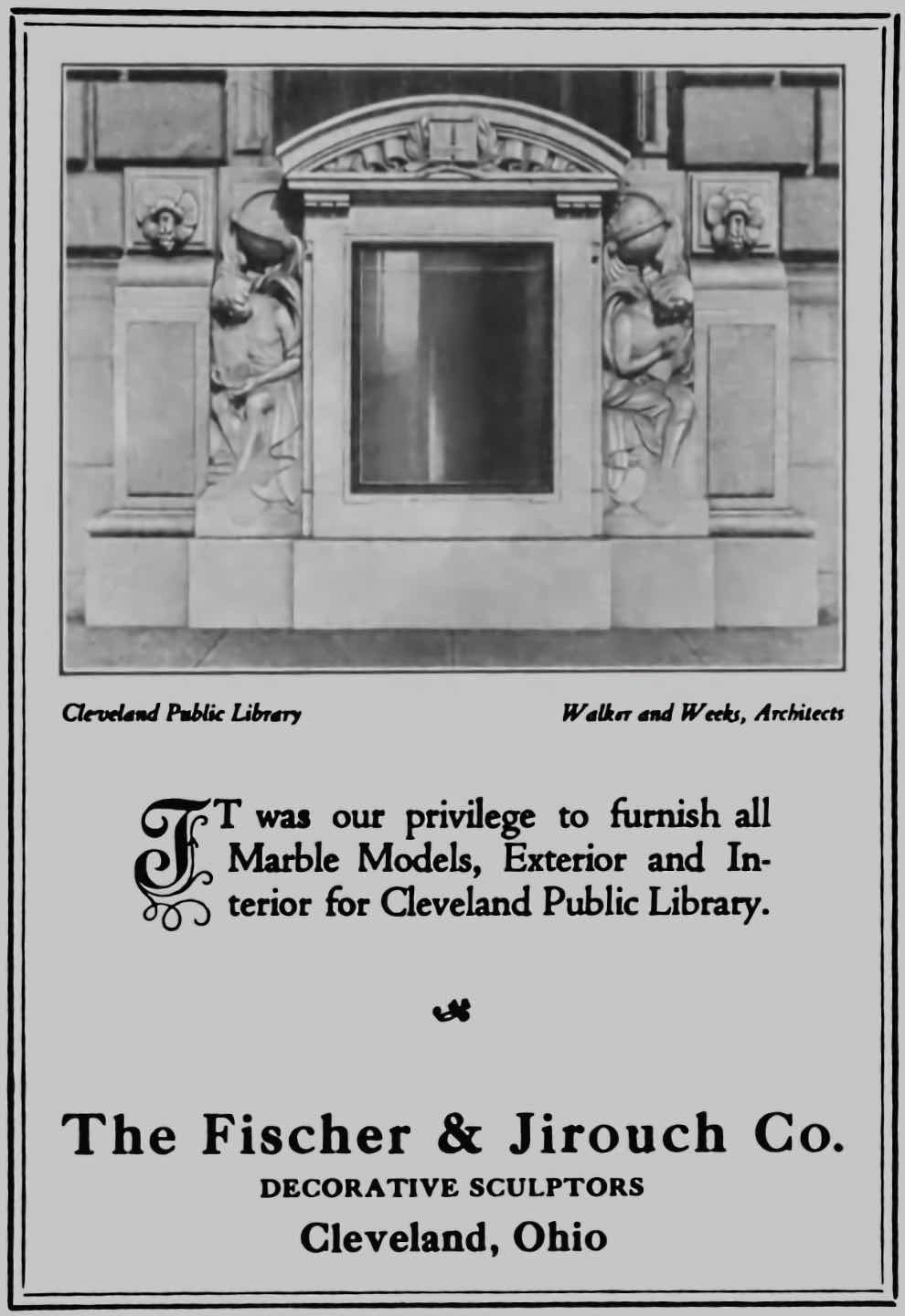
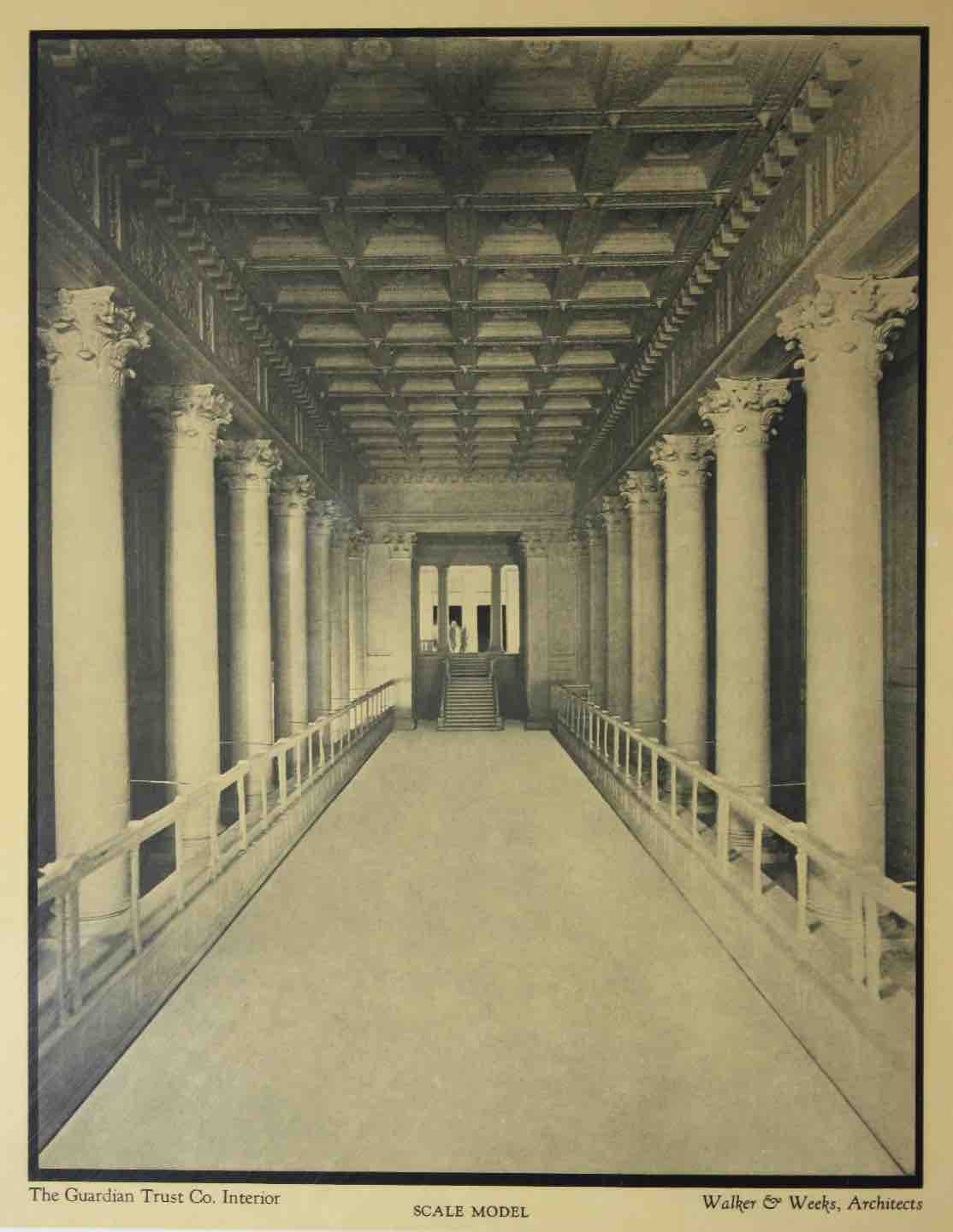
In the first three decades of the 20th century, the work of Fischer & Jirouch appeared in many new downtown office buildings, hotels, and theaters, as well as institutional landmarks. A partial list includes the Union Trust Building, Guardian Trust Building, Hanna Building, Ohio Bell Telephone Building, Cleveland Public Library, Federal Reserve Bank of Cleveland, Hotel Cleveland, the Alcazar and Sovereign Hotels, Park Lane Villa, the Hippodrome, Allen, State, and Palace Theaters, John Hay High School, Tomlinson Hall at Case Institute of Technology, Severance Hall, and St. John’s Cathedral. F&J also maintained an architectural modeling department that produced plaster scale models to guide building projects by Walker & Weeks, Hubbell & Benes, and other Cleveland-based architecture firms.
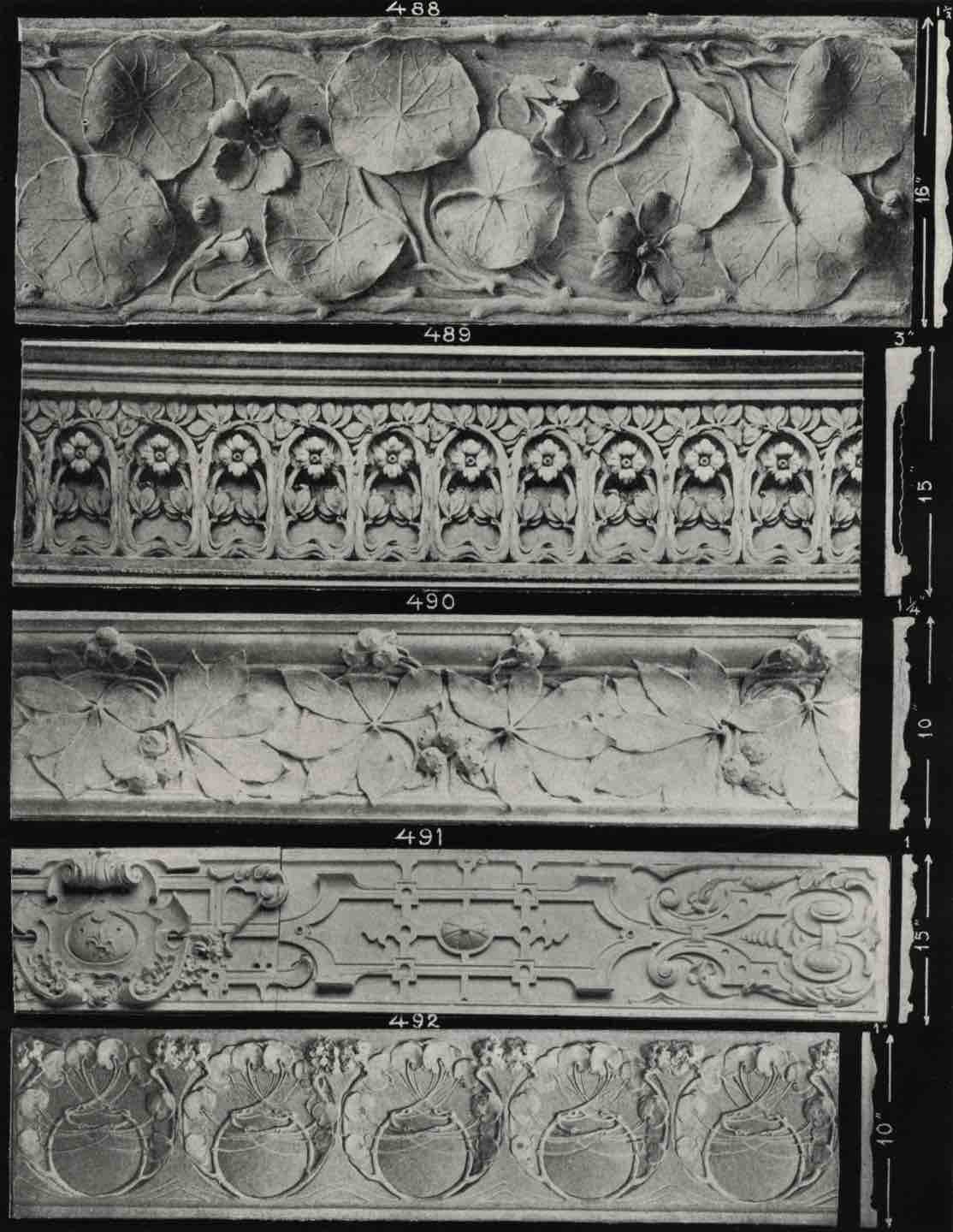
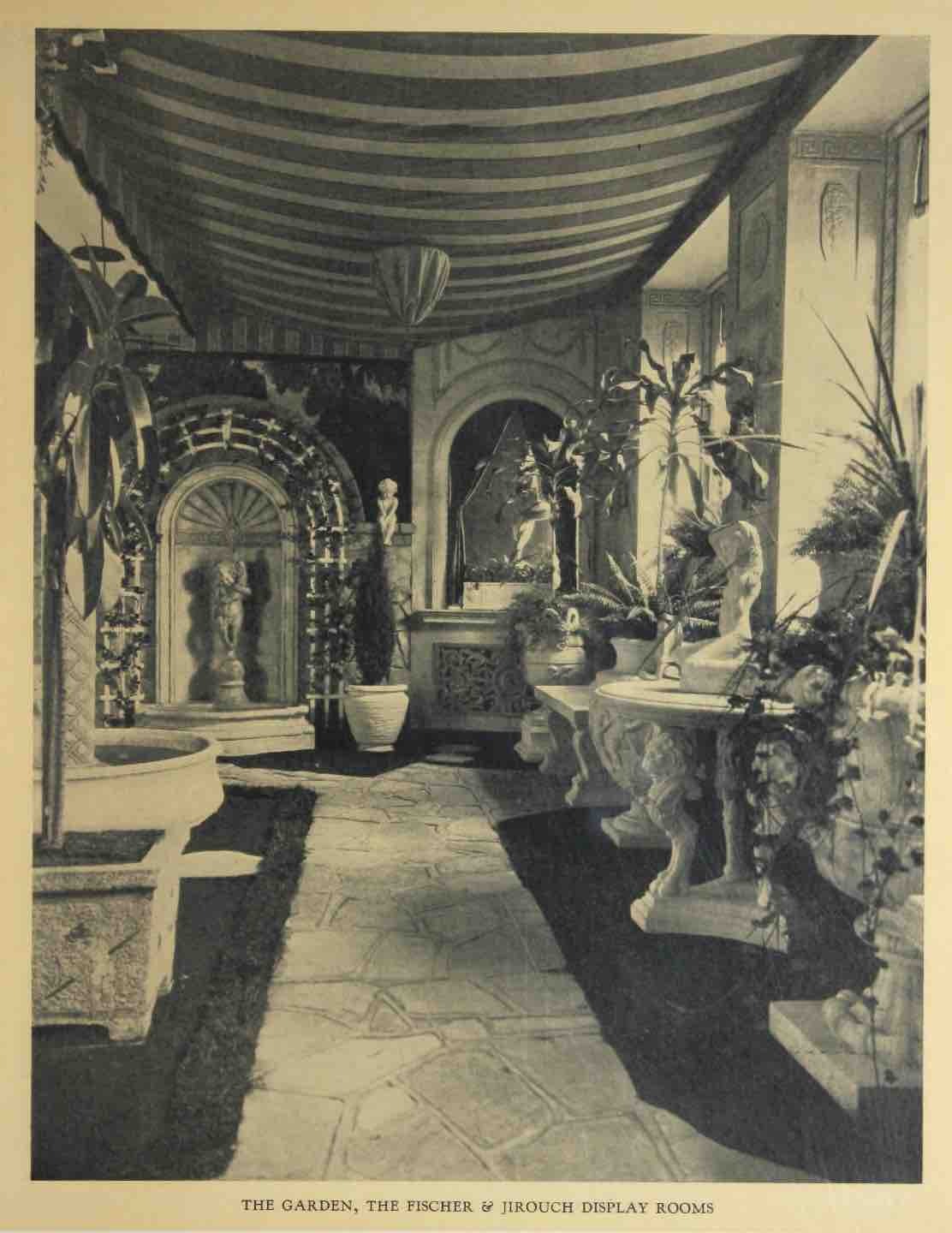
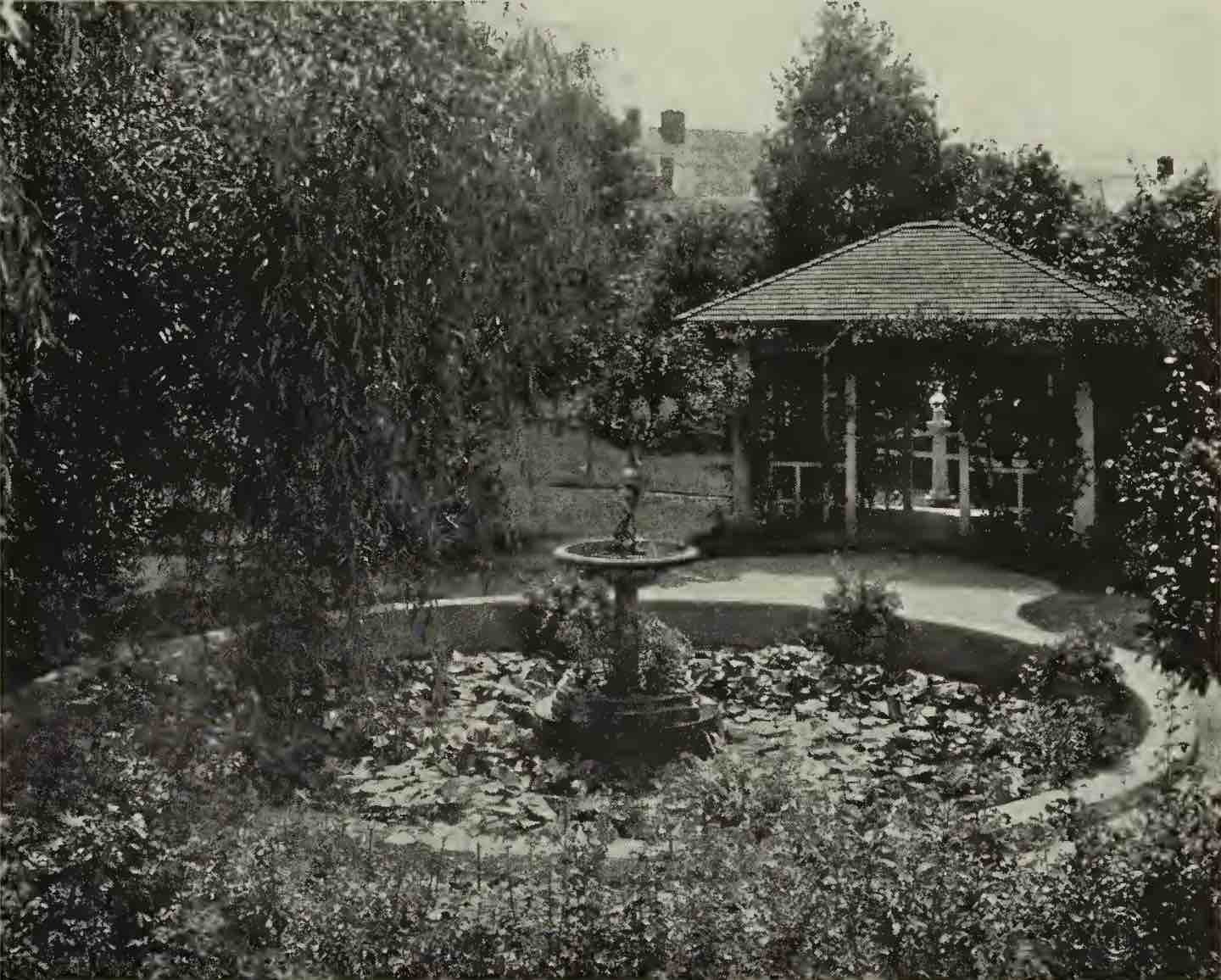
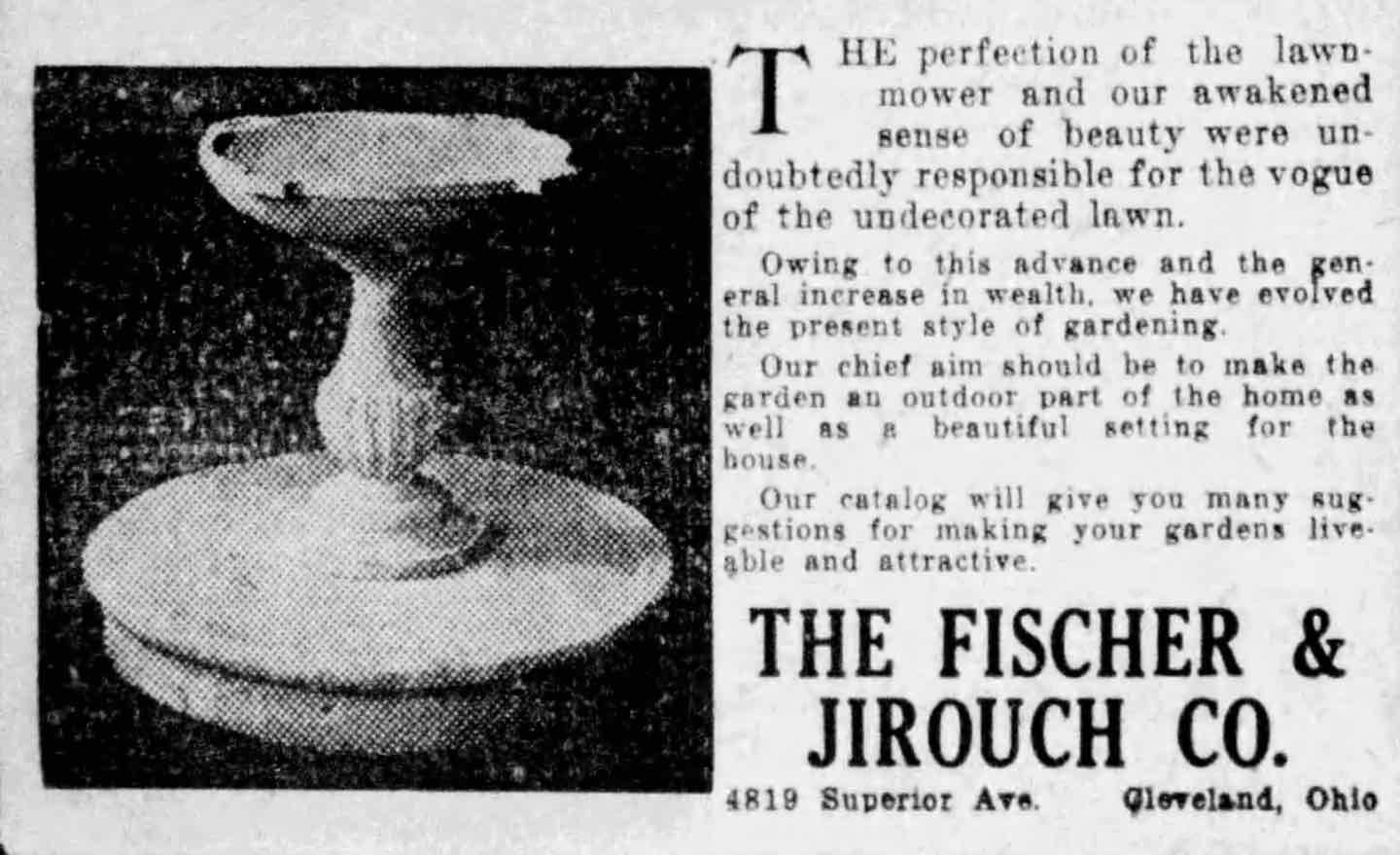
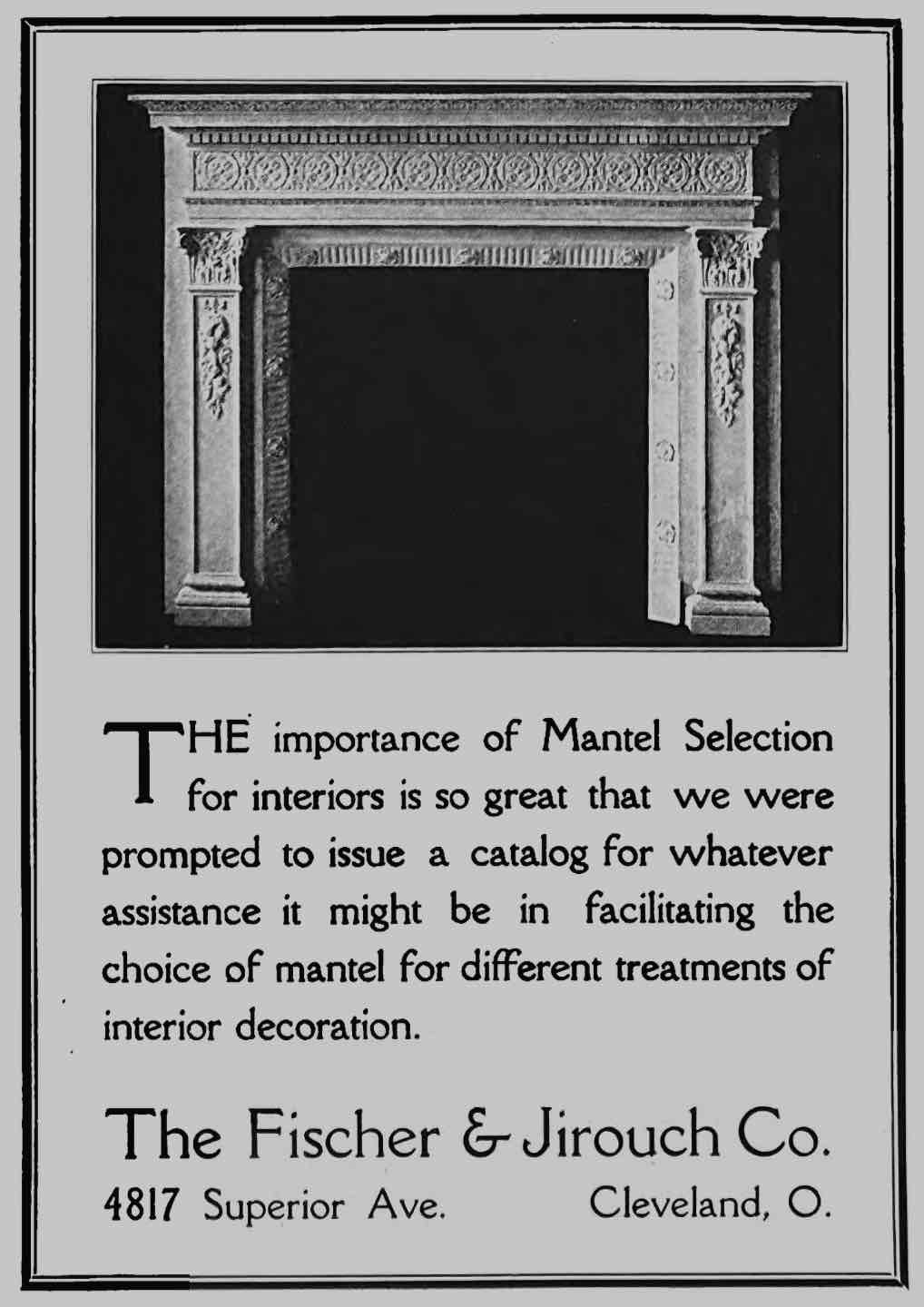
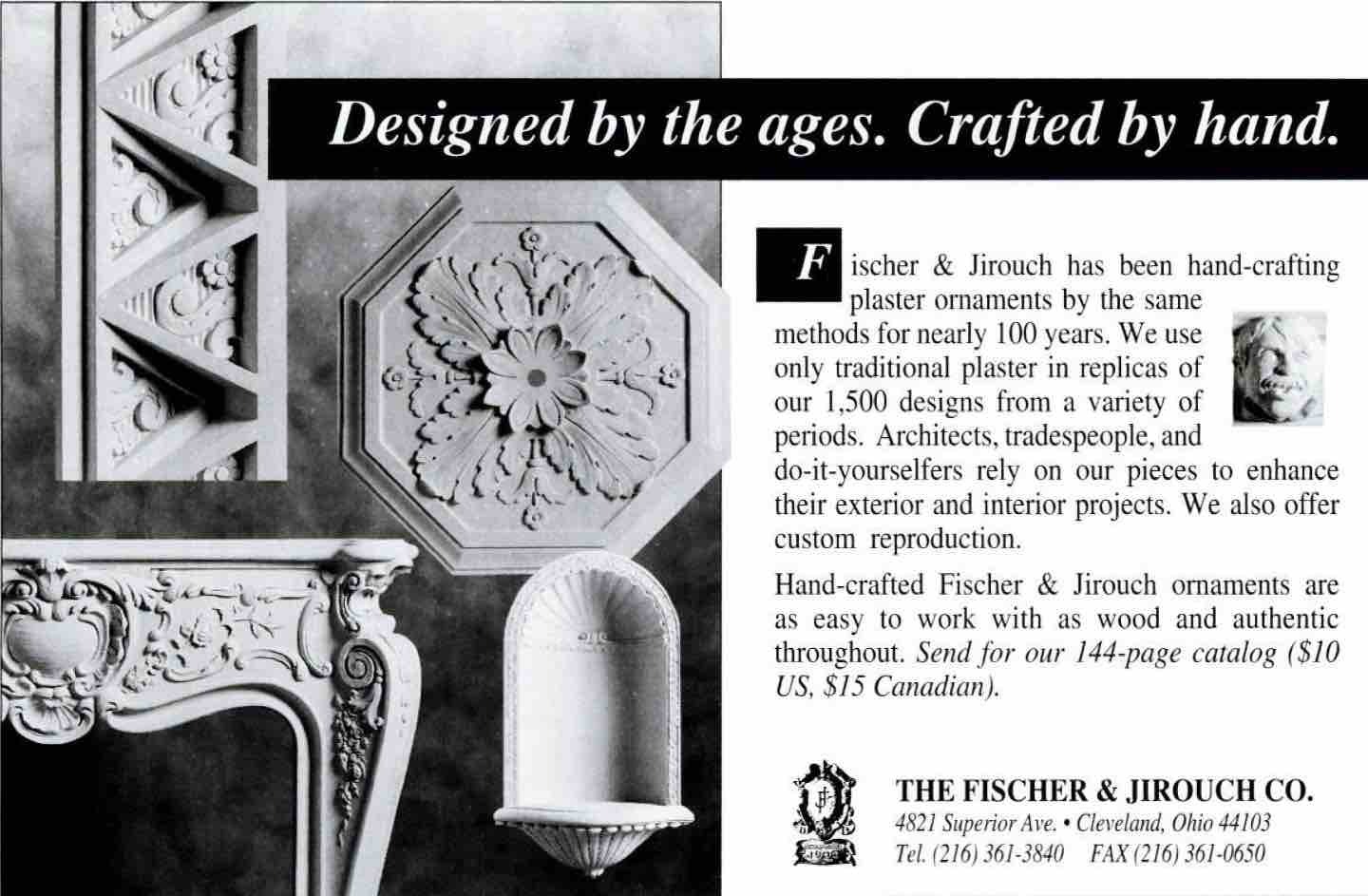
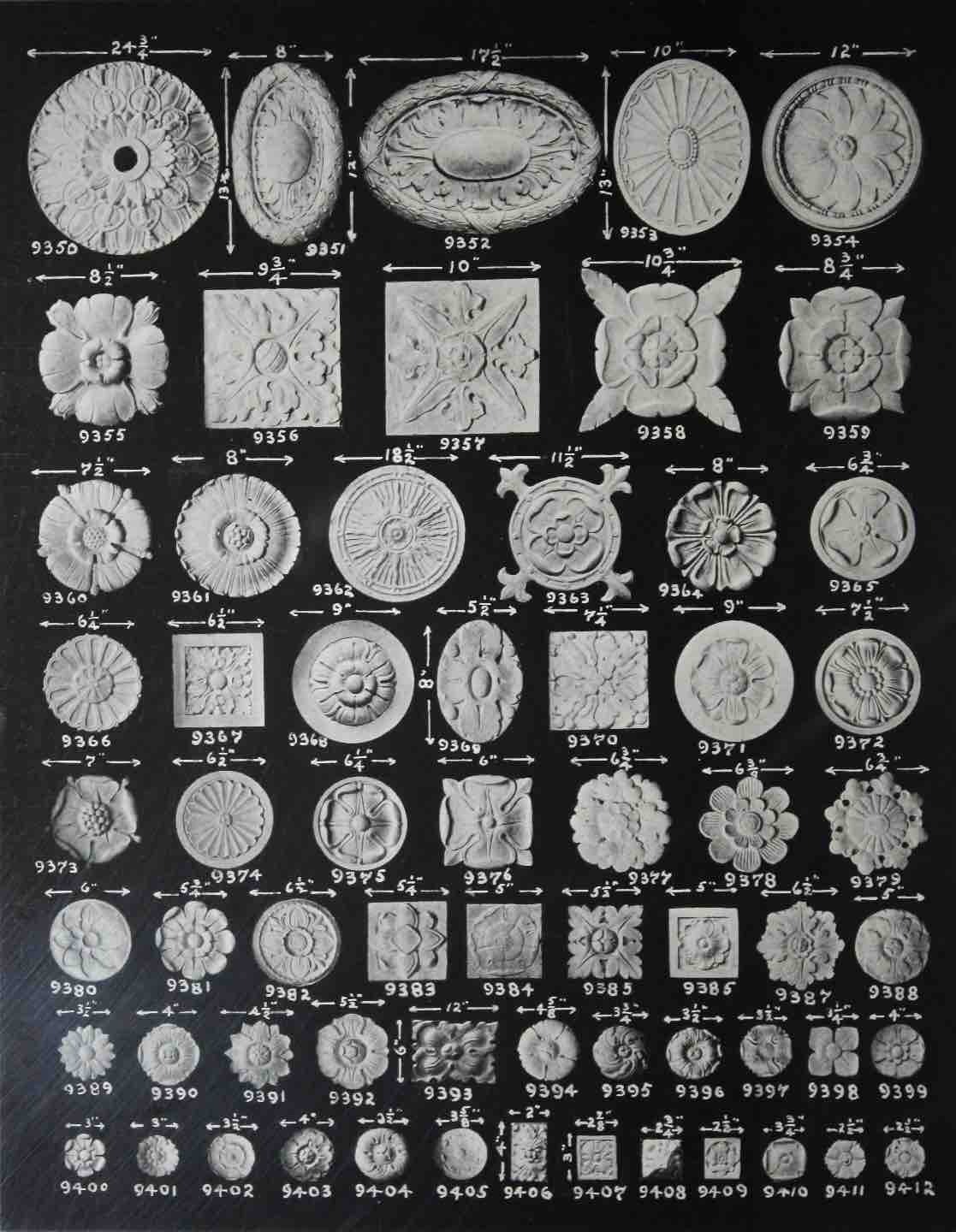
The company also published catalogs and advertised regularly in the Plain Dealer in the 1910s and 1920s. Its products ranged from architectural features such as brackets, capitals, classical figures, columns, corbels, cornices, crown moldings, finials, friezes, gargoyles, lunettes, mantels, medallions, pilasters, and rosettes to lawn and garden embellishments—benches, bird baths, fountains, lawn furniture, lily pools, pergolas, peristyles, rose arbors, sundials, and urns. Fischer & Jirouch's ads worked to cultivate a public taste for artful living. In one such ad in 1917, the firm acknowledged the role of the lawn mower in popularizing the “undecorated lawn” but urged making “the garden an outdoor part of the home as well as a beautiful setting for the house.” Even if one did not envision outdoor sculpture, another 1918 ad suggested, “Make the birds your friends by placing a bird bath in your garden. It is beautiful, ornamental and instructive for the children.”
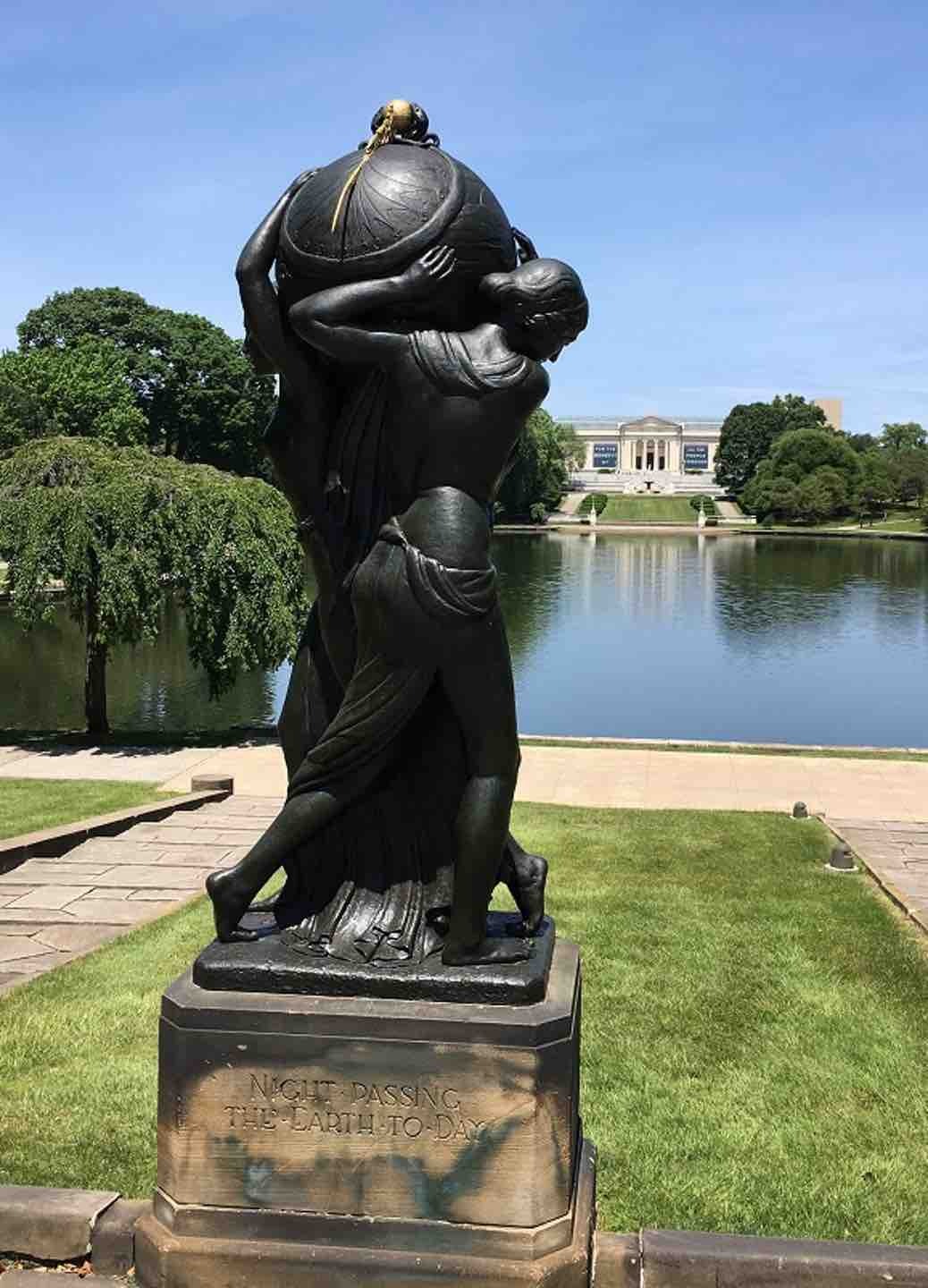
During the years that Fischer & Jirouch was ornamenting some of the city’s most important buildings and filling homes and gardens with decorative sculpture, Frank Jirouch was becoming prominent in his own right as a sculptor. After studying art at the Cleveland School of Art and the Philadelphia Academy of Fine Arts during the World War I years, he continued his studies at Académie Julian in Paris from 1920 to 1924. When he returned to Cleveland, Jirouch began to win many commissions, most notably to sculpt a decorative sundial titled Night Passing the Earth to Day for the Fine Arts Garden overlooking Wade Lagoon. He designed some two dozen busts in the Cleveland Cultural Gardens, as well as the fifteen heroic bronze eagles that flanked the bridge entrance to the 1936 Great Lakes Exposition.
The disruption of the housing industry during the Great Depression and World War II, followed by a postwar trend toward simpler contemporary styles, shrank the market for decorative sculptural work. Five ornamental plasterwork companies in Cleveland closed during the depression years, but Fischer & Jirouch survived as a result of its reputation as the city’s foremost such firm. F&J had employed sixty workers at its peak, but by the 1950s only twenty craftsmen continued to produce sculptural works, utilizing only half of the available space. The company’s elaborate showroom closed as a result of the diminished public interest in its products.
In 1956, Fischer and Jirouch sold their business to longtime employee Theodore N. Takacs, whose Hungarian-born father also worked there. After Takacs died in 1966, his wife Helen headed the company for another eleven years, long enough to see an uptick in business following the emergence of historic preservation in Ohio City in the late 1960s. While Cleveland’s nascent restoration movement was hardly sufficient to sustain the firm, F&J’s national reputation—and the fact that by 1978 it was one of only four surviving ornamental plasterwork manufacturers in the United States—enabled it to draw most of its business from out of state. With more than 4,000 molds, the company was able to produce virtually any adornment a history-minded client might desire. In addition to serving home restorers, Fischer & Jirouch also began to supply plasterwork used by movie and television stage set designers. F&J items appeared in Erica Kane’s living room on the ABC soap opera All My Children and in movies including The Age of Innocence, A Bronx Tale, and Ghostbusters.
In 1977, Corrado Mattei and Louis Cretoni, originally from Italy, bought the business from Helen Takacs. Like Theodore Takacs, Mattei had worked for the company for more than two decades before acquiring it. By the mid-1990s, Fischer & Jirouch was one of only two decorative plasterwork firms in the nation, with a crew of just “four Italians, three Filipinos, and a pair of Romanians.” As had been true for the company’s entire history, the plant operated quietly, with all work still done by hand. The firm continued to use its building on Superior Avenue well into the 21st century under the leadership of Corrado Mattei’s son Robert. In 2024, after the owner retired, the Fischer & Jirouch building was listed for sale, but the illustrious decorative arts firm's legacy did not end. Chicago-based Royal Corinthian acquired the company and still uses 1,700 of its original molds. Although Fischer & Jirouch is no longer based in Cleveland, its legacy endures locally in countless buildings, houses, parks, and gardens, as well as in the surviving molds that continue to introduce the firm's designs into new settings.
Images