Cleveland’s ethnic neighborhoods often developed around strong leaders who helped unify their communities while preserving and promoting their cultural traditions. Giuseppe Carabelli was one such figure, an artistic and entrepreneurial force who helped establish Cleveland’s Little Italy by attracting skilled artisans and their families to the neighborhood.
Cleveland’s ethnic rich identity took shape mostly after the Civil War as the Second Industrial Revolution made the city a hub of manufacturing and a strategic location for the distribution of products. Much of the manpower that drove its development came from eager southern and eastern European immigrants seeking new opportunities in the United States. As a result, the city's population came to reflect an increasingly rich mixture of cultures.
In 1917, the Cleveland Americanization Committee began sponsoring a series of monographs about the city's various ethnic and national communities. The project’s intent was both to teach American customs to new immigrants and to educate Americans about the customs and culture of their new neighbors. As in other American manufacturing cities, Cleveland saw people of like-minded cultures settle in compact geographic areas that enabled them to continue to share their language and customs. Distinct neighborhood ethnic "pockets" emerged between the 1870s and 1920s as Slovaks, Slovenes, Magyars (Hungarians), Poles, Italians, Croatians, Lithuanians, Russians, and immigrants of other origins arrived. The committee served these newcomers in their neighborhoods with citizenship classes and English as a Second Language classes offered in 27 languages.
One of the committee's monographs, The Italians of Cleveland, appeared in 1919 and explored the evolution of Cleveland's Italian communities over the previous forty years. Its author, Charles Coulter, characterized Italy as economically, socially, and culturally divided. Northern Italy was home to the upper class, educated, business-industrial ‘aristocracy’ of the country while the south of Italy was characterized by the uneducated, agricultural and labor peasantry “who form the base of the pyramid of Italian society.” This profile influences our understanding of the story of Cleveland’s Little Italy. Prior to 1870, Cleveland’s population was primarily Anglo-Saxon, with a smaller immigrant population having German and Irish backgrounds. The eastern and southern European migration had not yet begun.
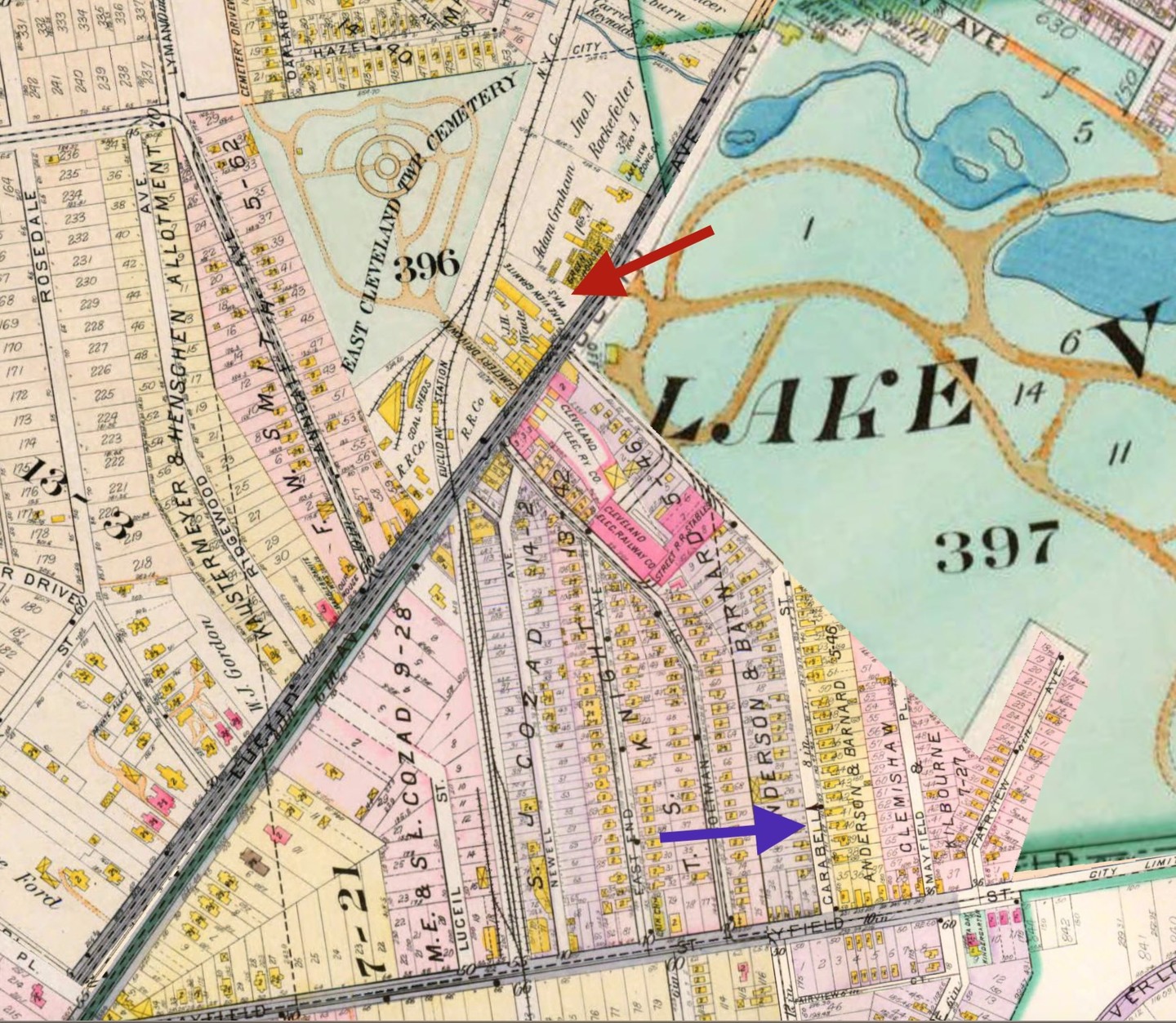
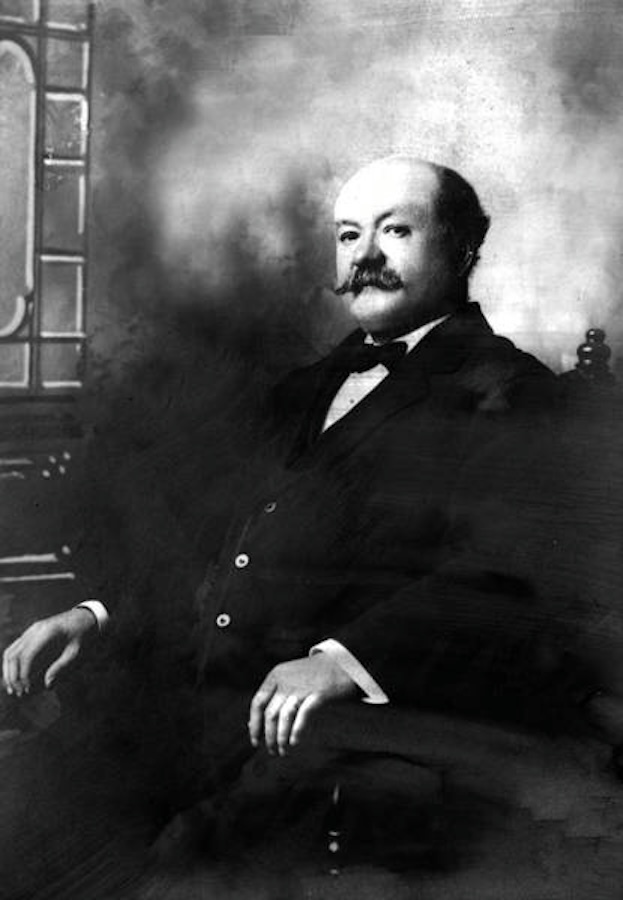
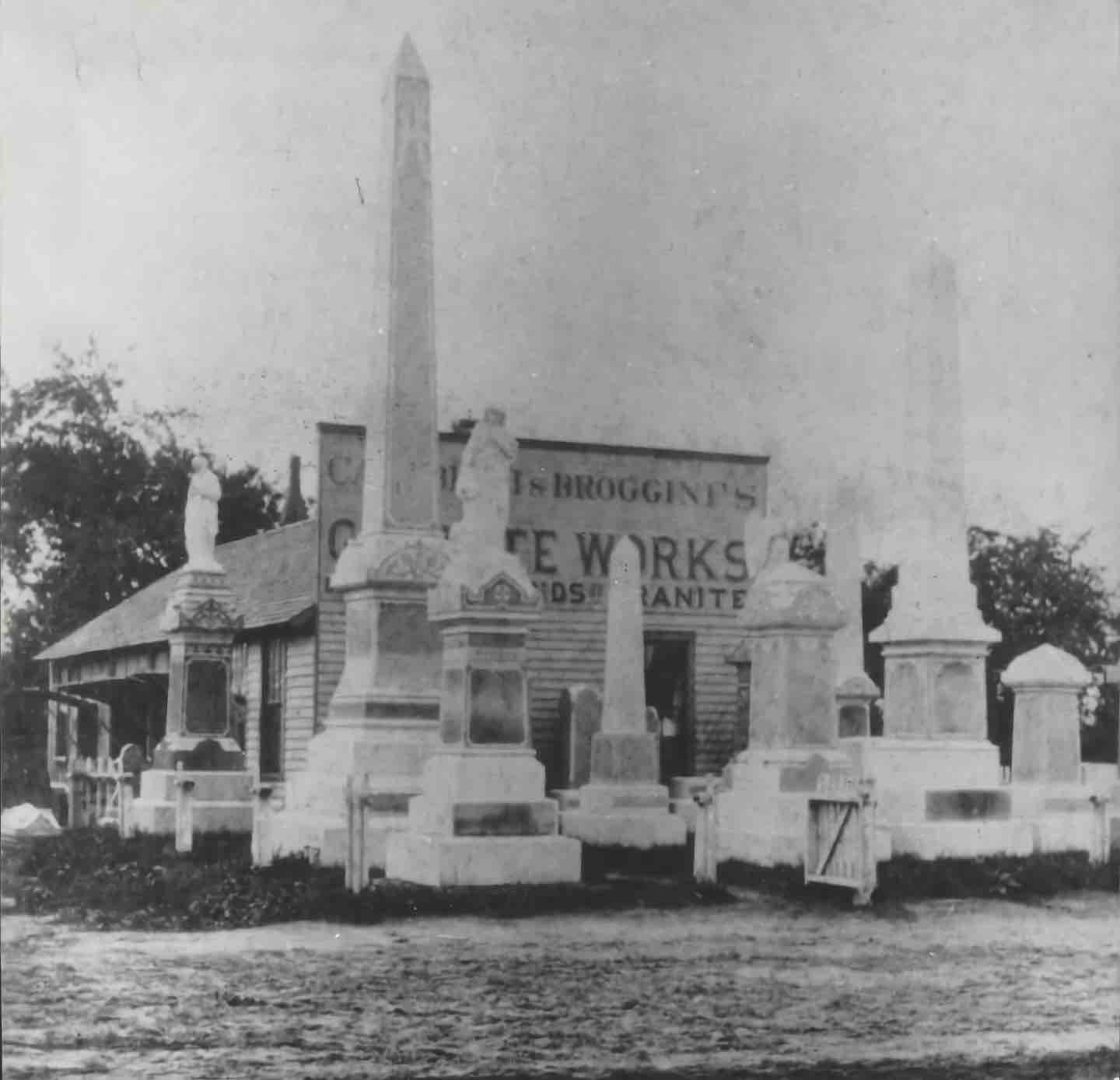
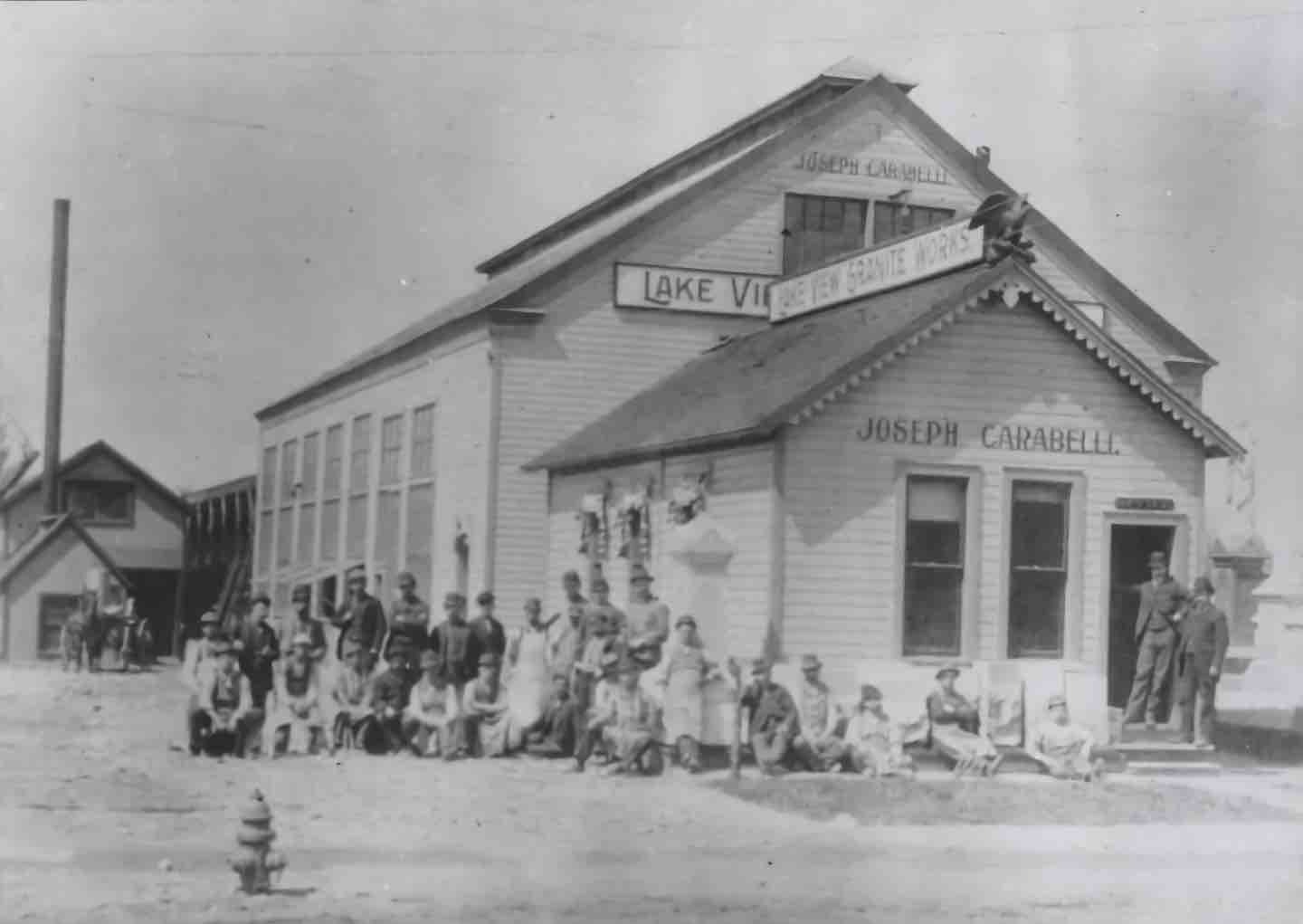
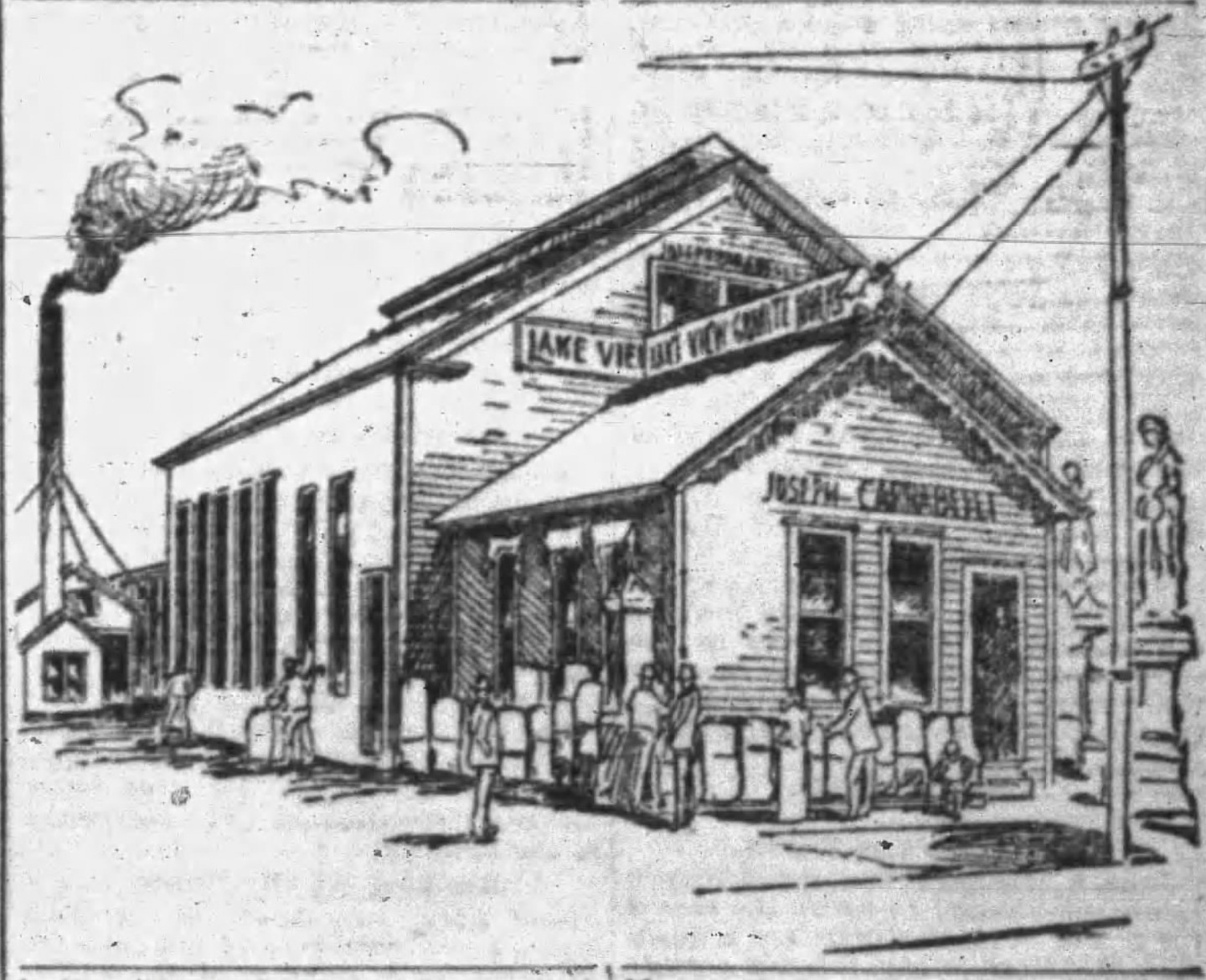
Giuseppe (Joseph) Carabelli was born in April 1850 in Lombardy, north of Milan. Growing up in the northern city of Como, he studied the sculptural and stonecarving trades. At age 20, he immigrated to New York and worked to perfect his skills. He gained early recognition sculpting building adornments as a government employee for both federal--the New York Post Office and state--The Capitol in Albany, the Boston Common Lions, and buildings in Maine. He arrived in Cleveland in 1880 and partnered with James Broggini to form the Lakeview Granite and Monumental Works. The partnership rapidly dissolved and by 1886 the business became the Joseph Carabelli Company. Located across from the main entrance of Lake View Cemetery, the firm capitalized on the growing grave monument market. Broggini later opened his own monument works on Woodland Avenue near a cemetery there.
As Carabelli's business expanded, his need for skilled laborers drove him back to Italy, this time to the southern regions of Abruzzo and Molise to recruit stone masons to Cleveland. The ensuing response was ambitious as families sought to settle and work in the new country. Upon arrival, Carabelli would counsel and guide the immigrants to work and live in his neighborhood south of the cemetery, which was called the East End at that time. They instantly became the backbone of his company, and the neighborhood filled with Italian immigrant families and became known as Little Italy.
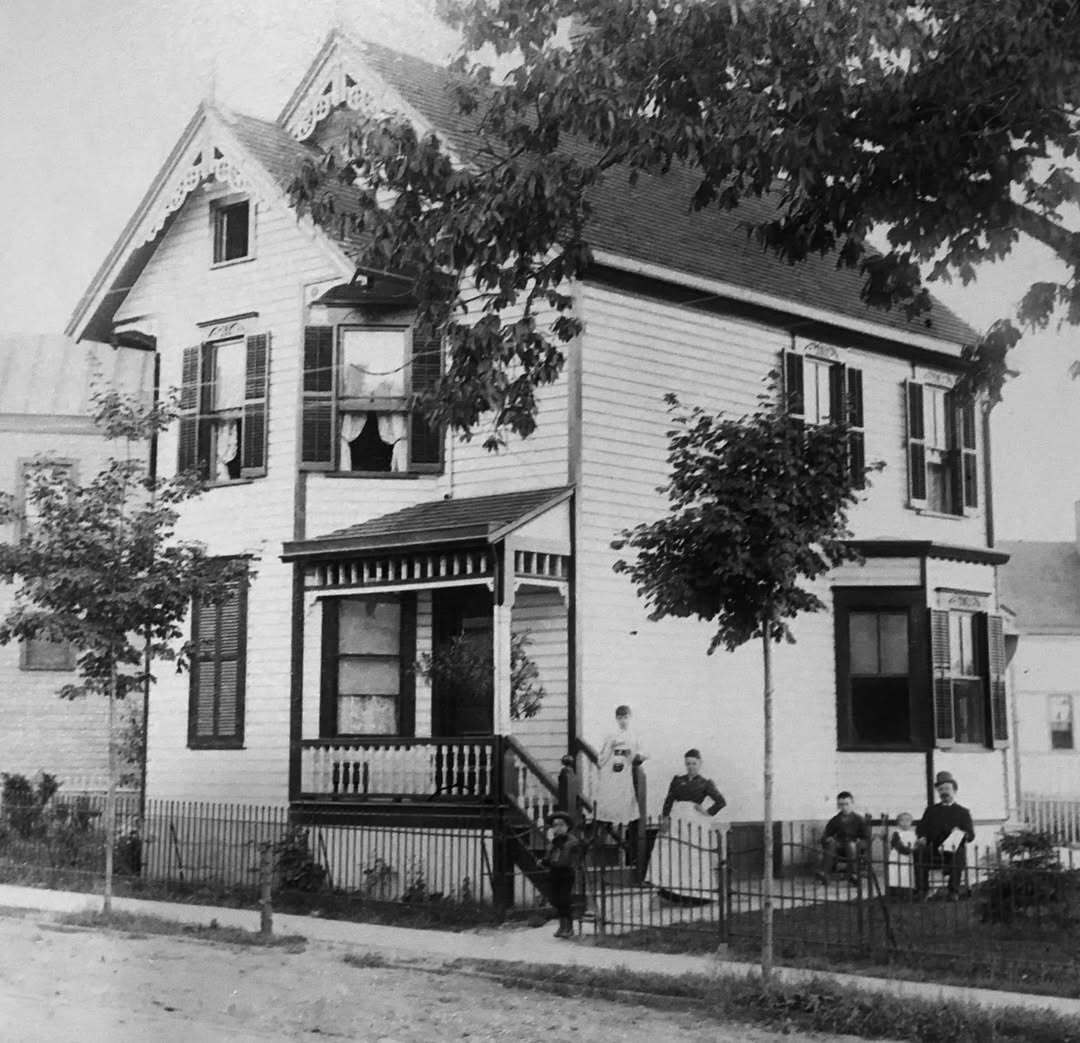
While his granite business thrived, Carabelli's civic and social interests excelerated within the community. He was regarded as the leader of Cleveland’s Italians and ultimately known variously in the media as the 'boss', 'leader', and 'ruler' of the ‘kingdom’ of Little Italy. By the late 1890s the community was fully established and Carabelli promoted a neighborhood nursery and kindergarten to assist working parents; with John D. Rockefeller’s help, it grew into the Alta House. He conducted ‘classes’ for young men at his residence in the arts and sculpture and established fraternal societies that live on today, binding the Italian community. Carabelli became influential in local politics and was welcomed by the city’s leadership for his community involvement. He won a term in the Ohio House of Representatives in 1908 and promoted the recognition of Columbus Day as an official Ohio holiday in 1910. He was routinely acknowledged in the local newspapers as a benevolent civic leader; prior to the mass street naming plan in 1906, East 123rd Street was called Carabelli Street.
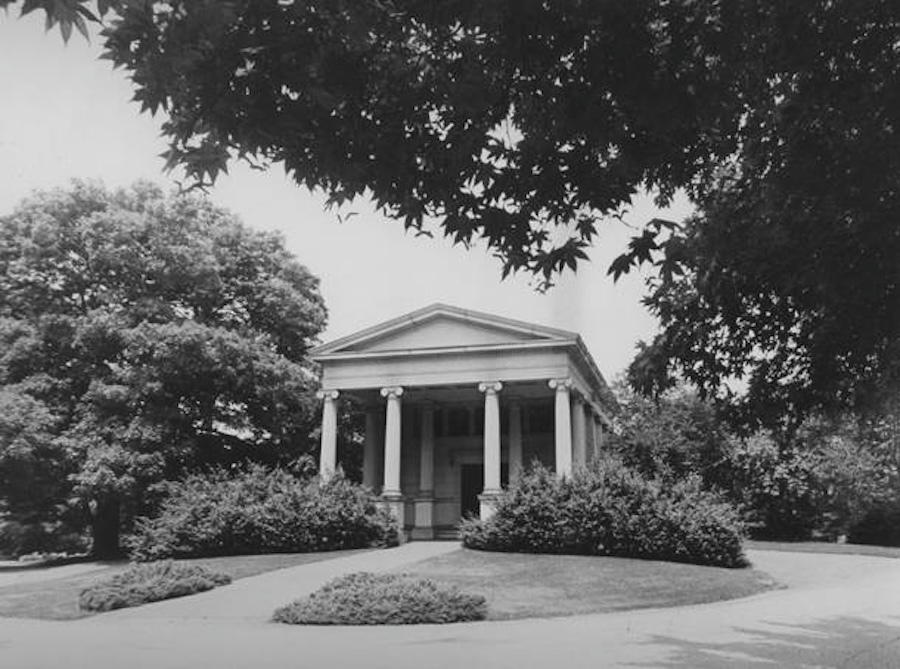
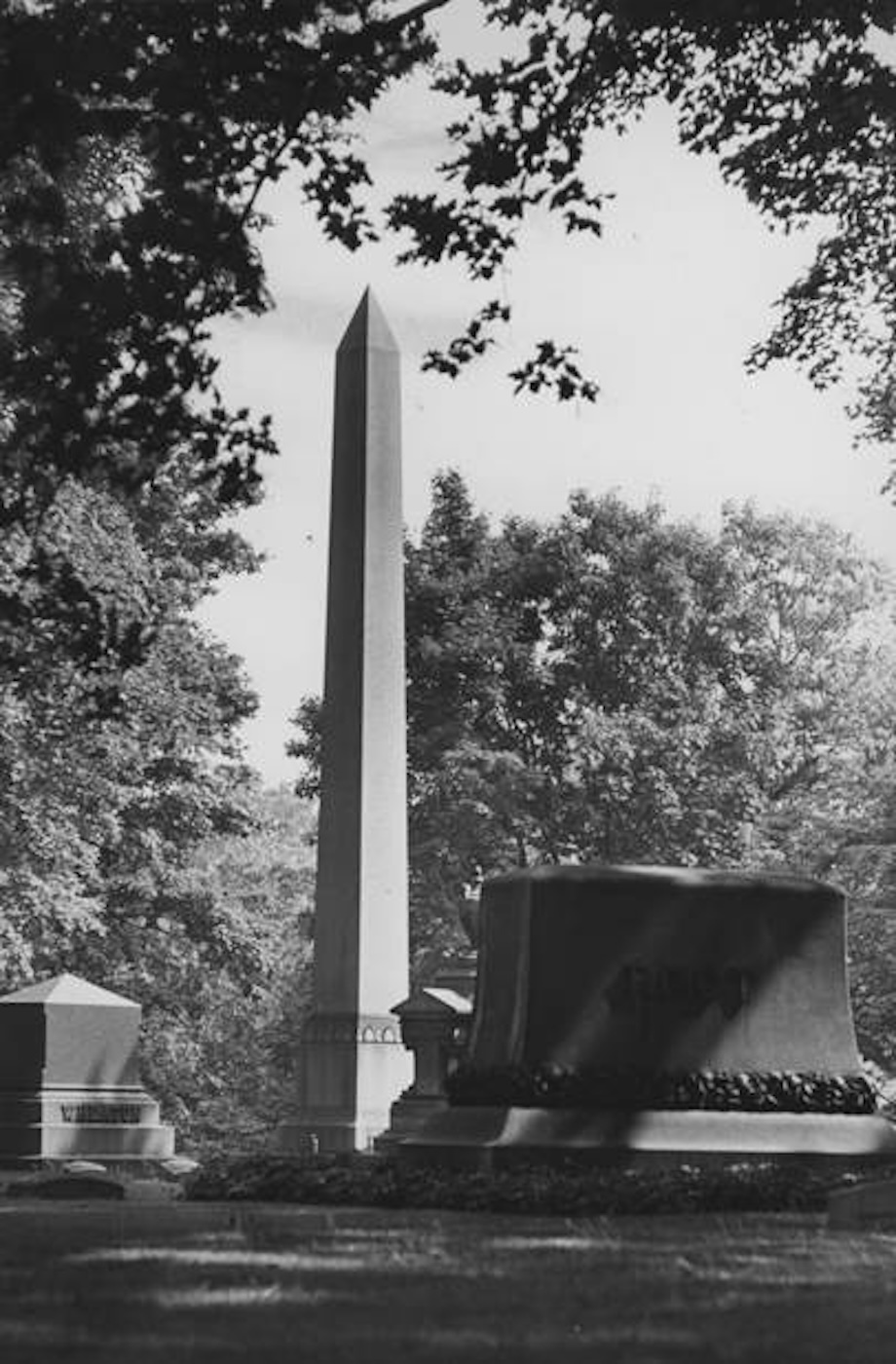
Although grave markers were the main focus of his business, Carabelli's influence spread further. A number of monuments in the city also feature his work: The Soldiers' and Sailors' Monument column on Public Square, Wade Chapel, and the Rockefeller, Brush, John Hay, and Steinbrenner monuments in Lake View Cemetery. Additional monuments in Elyria, Willoughby, and other Ohio cities, as well as in several major U.S. cities outside the state, feature his company's work. One local project that no longer exists was the portico entranceway to the Citizens Building (now Tiffany Glass Building) on Euclid Avenue near East 9th Street. Carabelli designed and carved the work for the original construction, which was removed in a subsequent 1924 facade renovation.
Joseph Carabelli died on April 19, 1911, and is interred at Lake View Cemetery along with his family members. Carabelli Monument Works continued under the leadership of his sons. John Iacobucci Johns worked at the Carabelli Company between 1931 and 1937 and rejoined the Carabellis to merge businesses in 1971 after the death of Joseph Carabelli III. The company is called the Johns-Carabelli Company, and has continued to expand the memorial business under the leadership of the Johns family.
Carabelli's legacy lies in stone monuments but also in the neighborhood he did so much to sculpt. His artistic mentorship, support for newly arrived immigrants, and civic leadership earn him distinction in the story of Cleveland's Little Italy.
Images
![The Citizens [Savings and Trust Company] Building](https://clevelandhistorical.org/files/fullsize/e1da47d17e0659ab13b48ee7b333ba58.jpg)
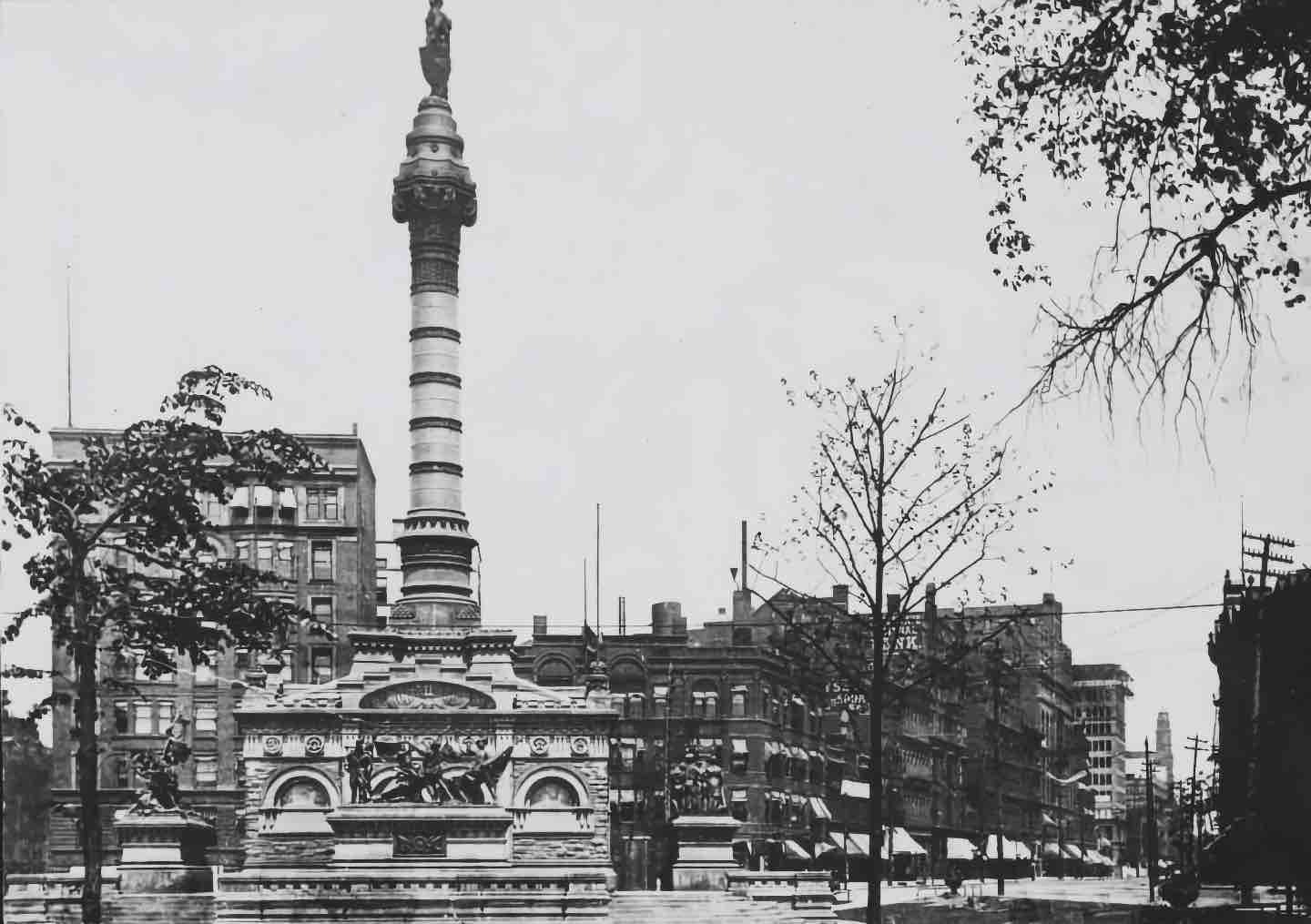
Constructed in the early 1890s, the monument houses both a hall and shaft designed by Levi Scofield to honor Cuyahoga County residents who fought in the Civil War. Lakeview Granite Works executed and erected the central marble shaft of the monument. Source: Cleveland Public Library, Photograph Collection Date: 1895