Applied Industrial Technologies
A Futuristic Campus with a Memorial to Millionaires’ Row
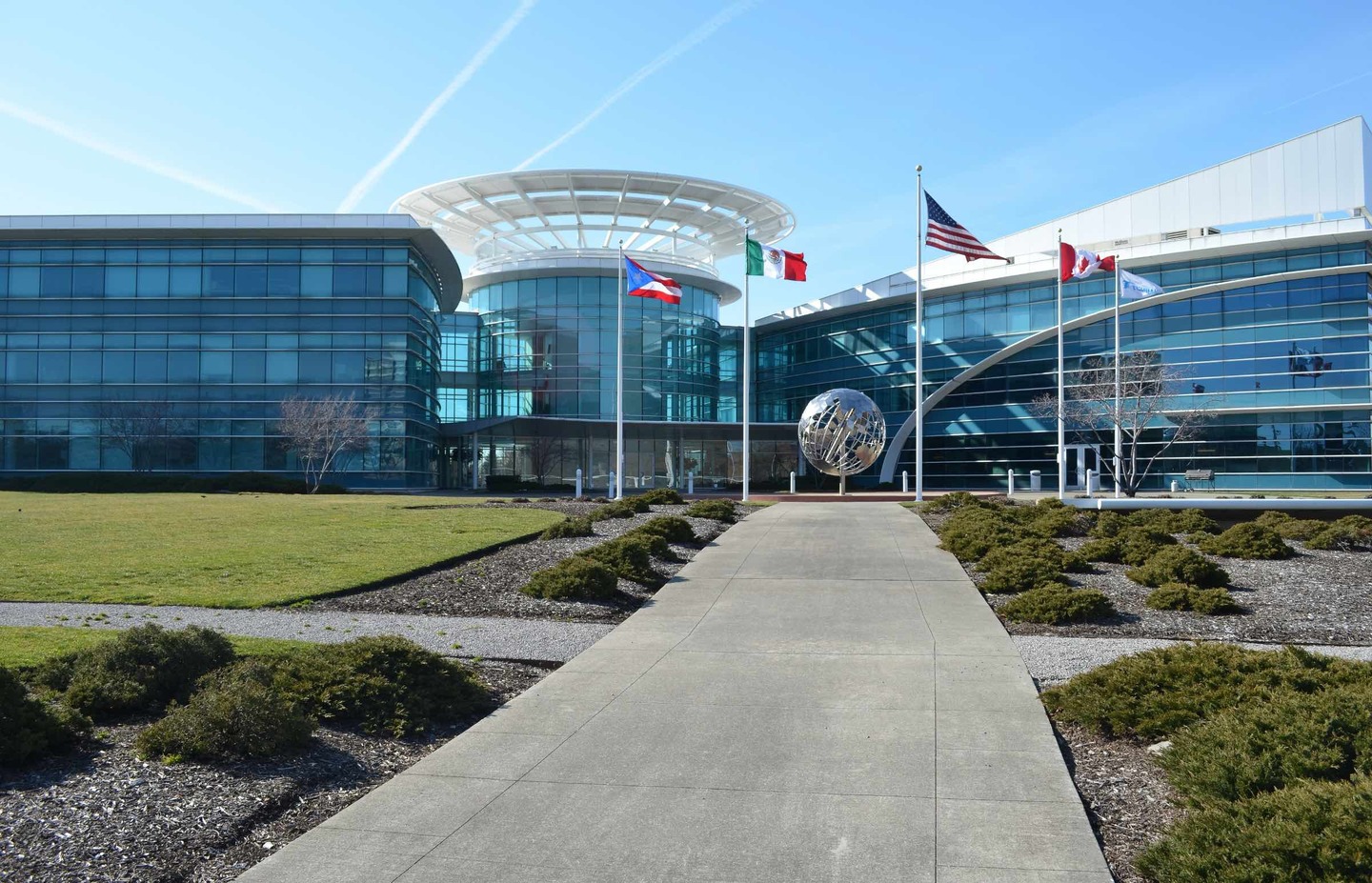

The campus of Applied Industrial Technologies, founded as the Ohio Ball Bearing Company in 1923, sits at Euclid Avenue and East 36th Street in the heart of the city's old Millionaires' Row. The company headquarters with its strikingly futuristic design provides a stark architectural contrast to the area's historic identity.
The campus of Applied Industrial Technologies, a global industrial distributor, sprawls along Euclid Avenue on the northwest corner of East 36th Street. Founded in 1923 as the Ohio Ball Bearing Company and later renamed Bearings Inc., the firm consolidated its operations into this 146,000-square-foot headquarters located at 1 Applied Plaza in Midtown in 1996. A year later, it became Applied Industrial Technologies.
The Ohio Ball Bearing Company began in a building at 6715 Carnegie Avenue before moving in 1927 to 6531 Euclid Avenue. That same year, the company established branches in Youngstown, Cincinnati, Akron, and Columbus. In 1947 the firm moved to 3646 Euclid Avenue. After merging with Pennsylvania Bearings, Indiana Bearings, and West Virginia Bearings, the firm assumed a new name—Bearings Inc.—in 1953. In 1960, Bearings Inc.'s operations totaled 54 locations across the United States. Eight years later, it expanded distribution throughout the Pacific Northwest, doubling its number of locations. Bearings Inc. began the 1990s by acquiring King Bearing Inc., adding 94 service centers, three distribution centers and five specialty shops. In 1995, a year before erecting its new headquarters, Bearings Inc. earned a billion dollars for the first time. In 1997, as a result of its expansion into fluid power, power transmissions, and conveyor belting products, the company held an internal naming contest, which yielded the name Applied Industrial Technologies.
To passersby, the Applied campus's reflective blue glass curtain wall and white disk above its entrance offer no indication that the land now occupied by the corporate campus was once lined with five of the mansions that lent Euclid Avenue its nickname, Millionaires' Row. By 1996, only one of them—the Carlin House—still stood, the others having been demolished in the 1950s and 1960s to make way for newer buildings.
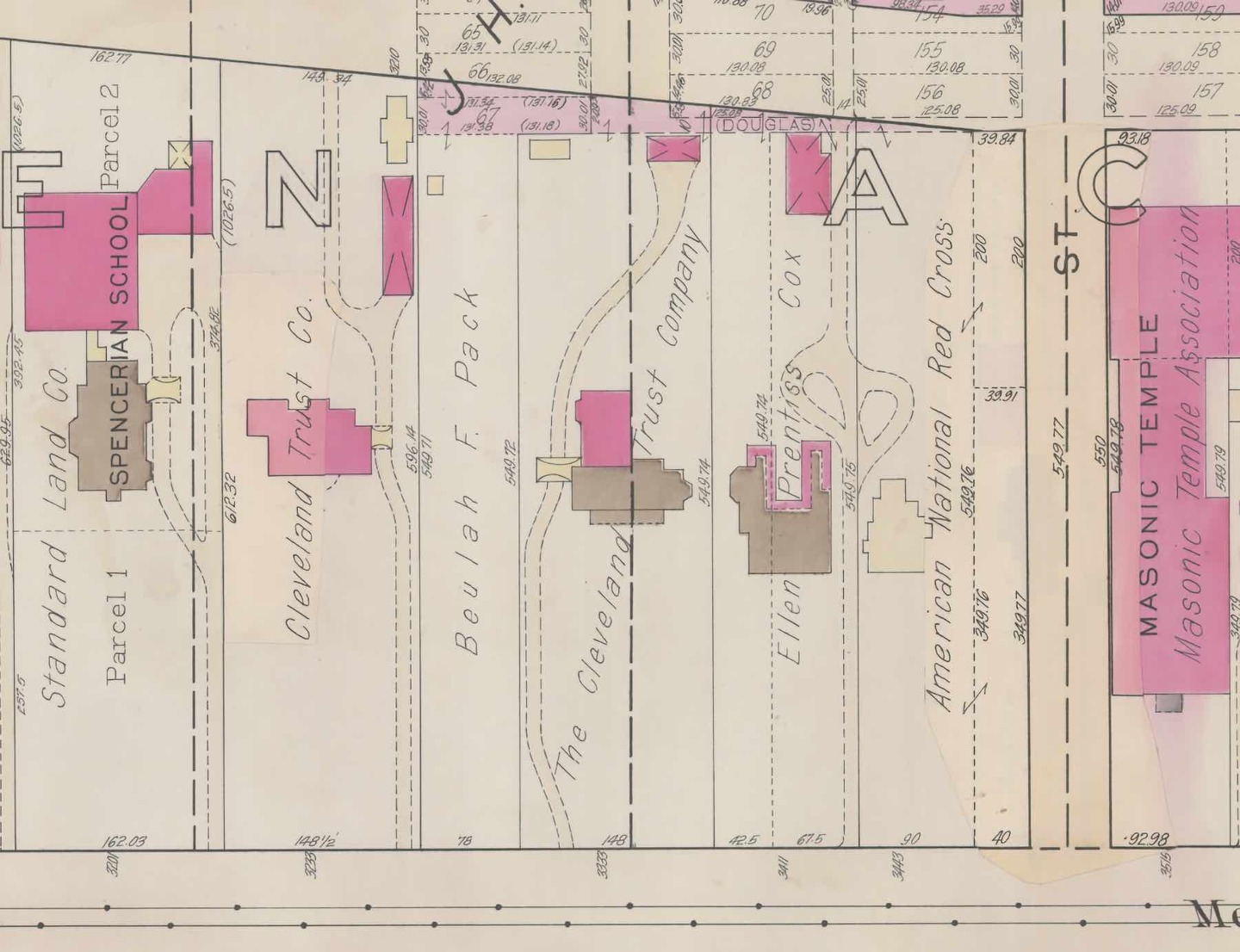
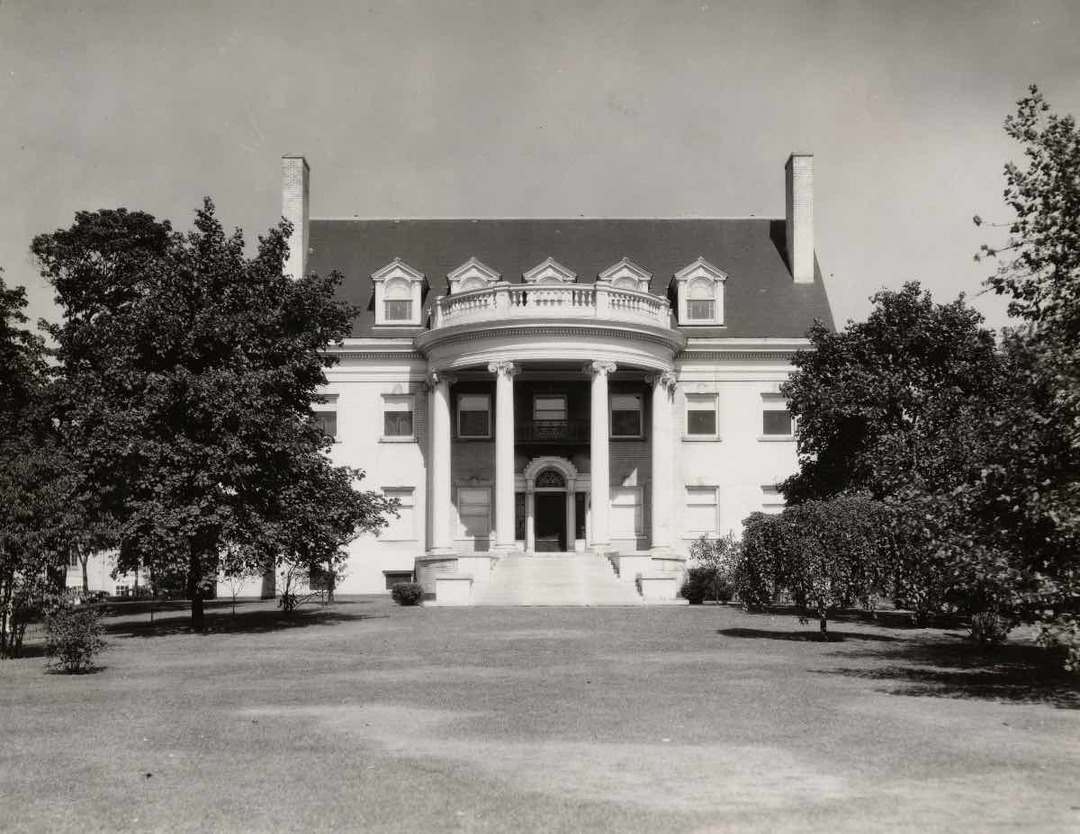
The Carlin House, located at 3233 Euclid Avenue, was the home of Anthony and Mary Carlin. Completed in 1911 on the site where the Hinman Hurlbut House had previously stood, it was the one of the last homes to be built on Millionaires' Row. Anthony Carlin was the founder of the Standard Foundry Manufacturing Co. and operated the Euclid Hotel. Built of cream-colored pressed brick, the Colonial Revival–style mansion featured two-story semi-circular columned portico. Inside, it included a central hall, a drawing room, four bedrooms, a chapel, a ballroom, and servants’ quarters. The mansion also contained carved staircases and a large Louis Comfort Tiffany stained-glass window. Carlin preserved the Hurlburt House’s landscaping legacy in its grounds. In 1950, the Carlin family moved to Cleveland Heights, and the house became the headquarters of the International Ladies' Garment Workers Union.
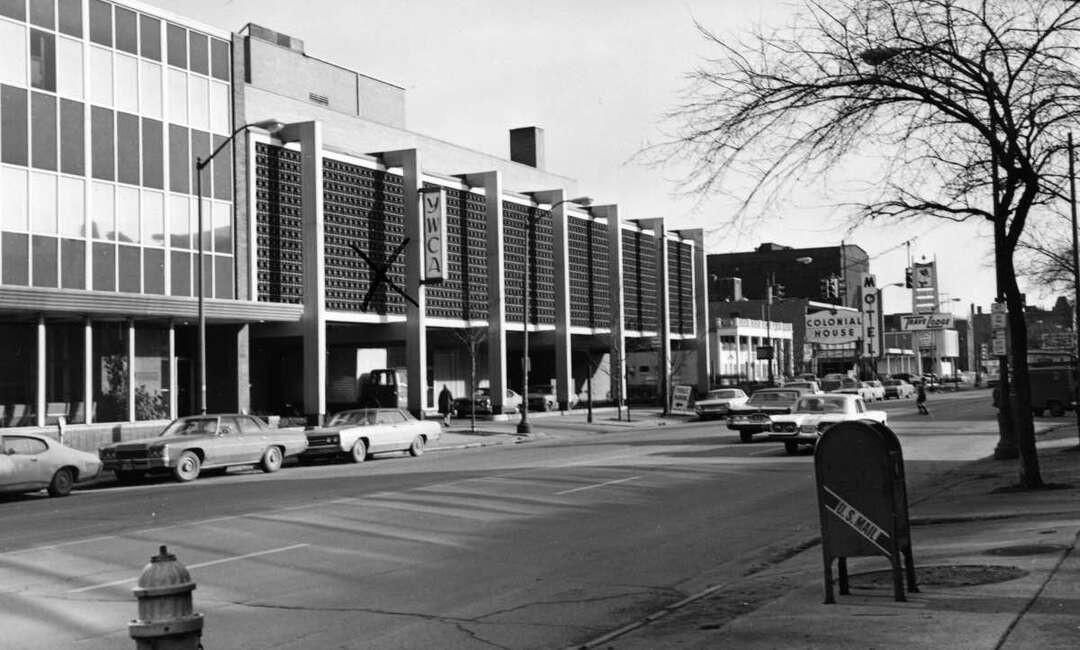
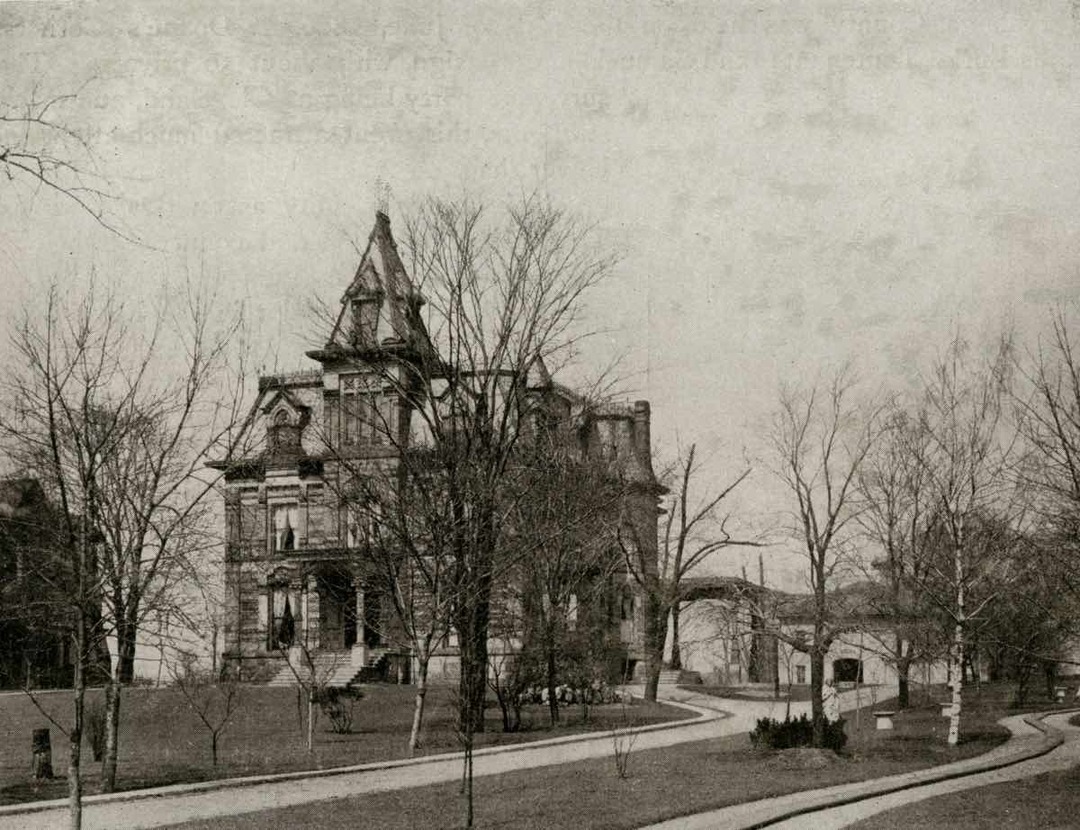
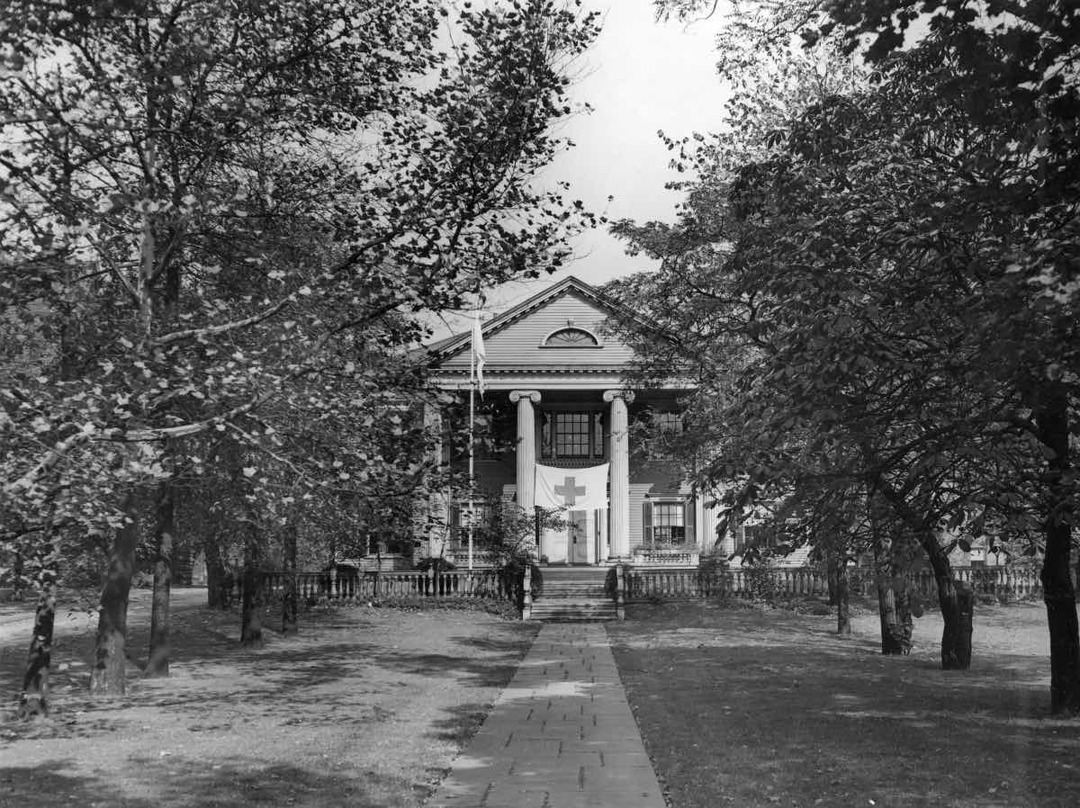
Among the other mansions that had stood on the future Applied campus's footprint was the Eells House at 3201 Euclid Avenue, immediately west of the Carlin House. Built in 1876 for banker and financier Daniel P. Eells, the Victorian house was later home to Warren H. Corning and Price McKinney. In 1922, it was converted into Spencerian Business College. Cleveland Bible College used the house from 1942 to 1957. Two years later, it was demolished to build the Sahara Motor Hotel, which operated from 1960 to 1969.
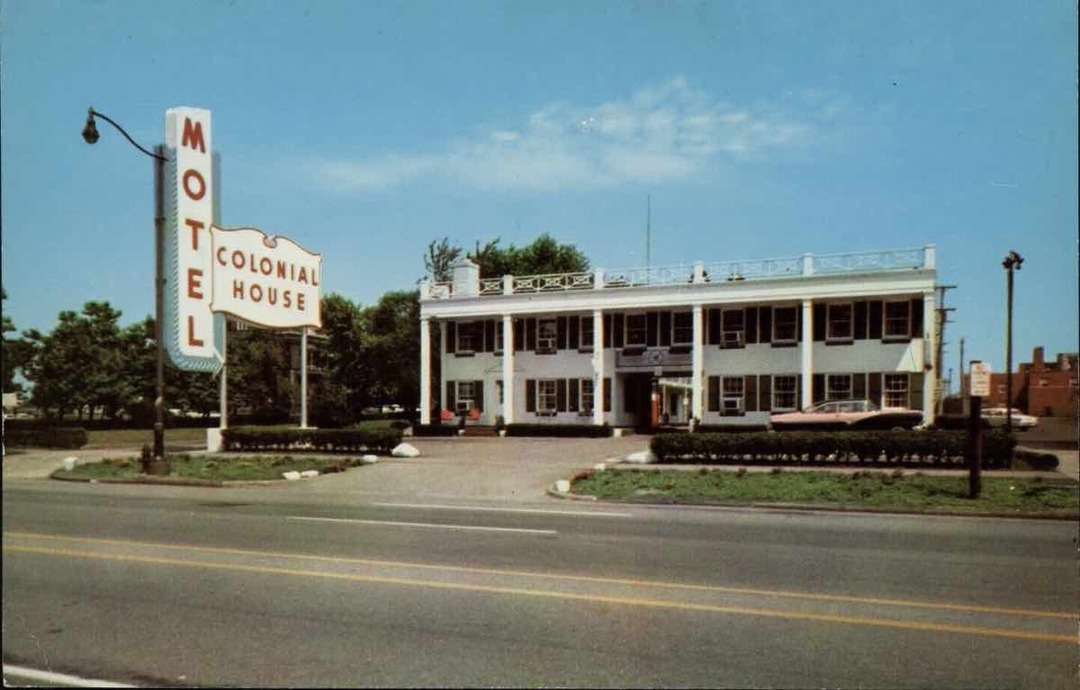
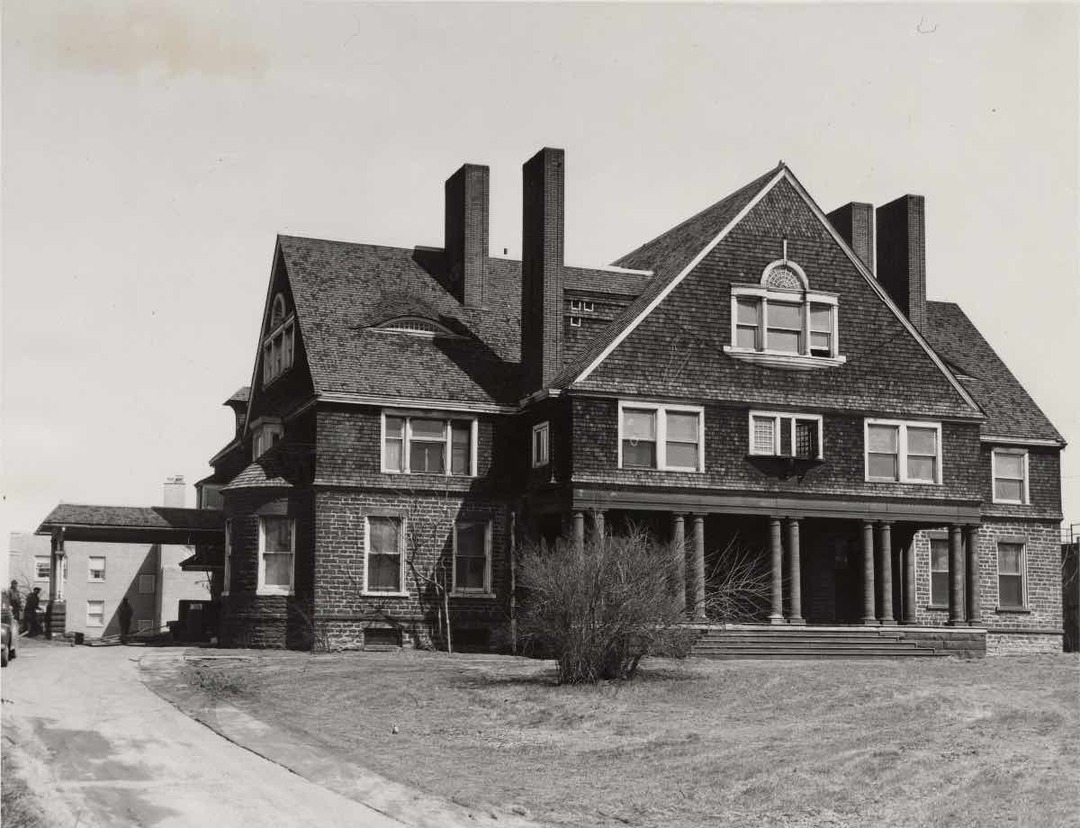
To the east of the Carlin House was the McNairy House at 3333 Euclid Avenue. The McNairy House was a large addition connected to the adjacent Weddell House (built in 1833) that lumberman and Michigan native George W. Pack commissioned architect Charles F. Schweinfurth to remodel and expand in 1887. The expansion enabled his daughter Mary and her husband Amos B. McNairy to live next door. McNairy, a native of Scotland, was among the founders of the Cleveland Trust Company, as well as the owner of a paint company. He left Cleveland in 1919 and spent the last 23 years of his life in Vermont, returning only for treatment at Cleveland Clinic in the final week of his life. Pack's residence was torn down sometime in the 1930s and thereafter became a used car lot. The wrecking ball arrived again in 1952 to claim the McNairy House. Watson's Motor Hotel replaced the mansion in 1955, and the lot at 3307 Euclid saw the construction of the Colonial House Motel five years later.
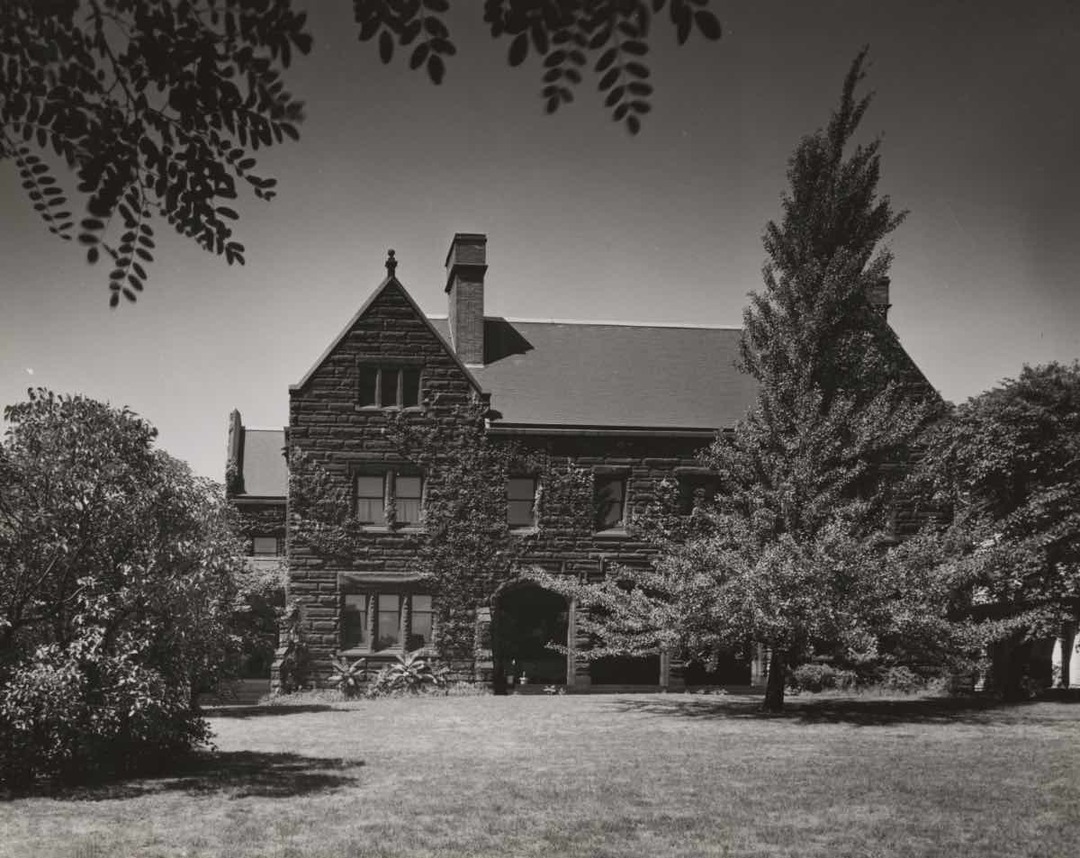
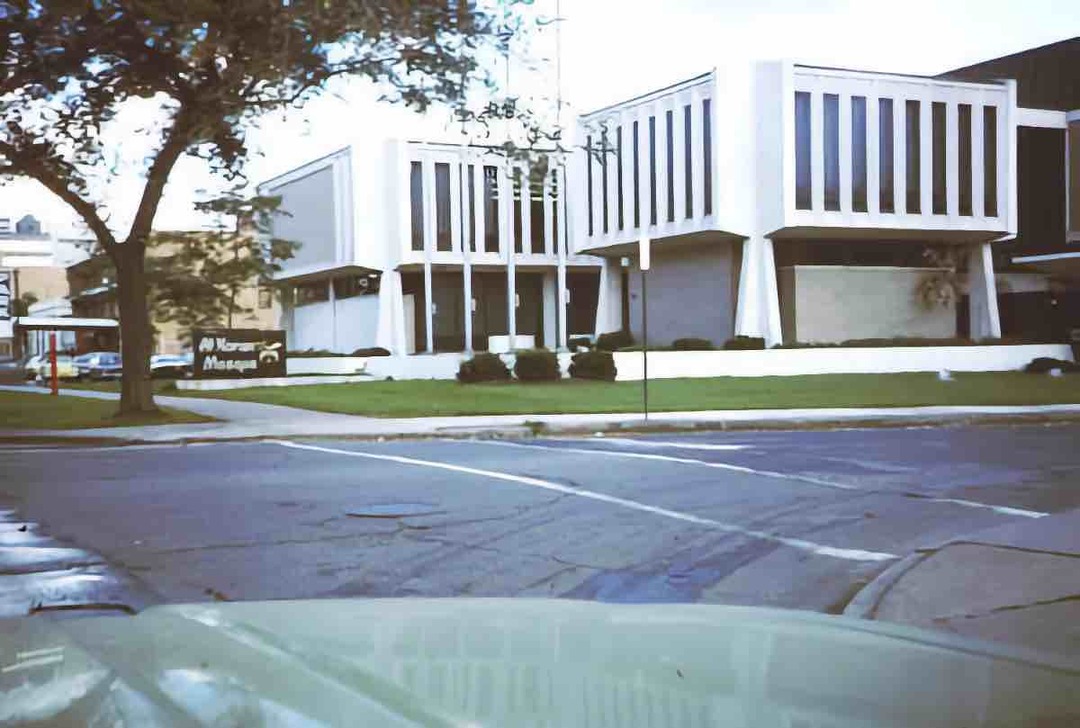
Moving east, the Cox House at 3411 Euclid Avenue was the home of Cleveland Twist Drill Company president Jacob Dolson Cox Jr. The home, also a Charles Schweinfurth design, was residential property until 1940. From 1941 to 1961, the Cleveland Institute of Music operated in the house before moving to University Circle. The Cox House was demolished in 1966 to build the Al Koran Mosque (the Shriners' local headquarters), which also replaced the adjacent house at 3443 Euclid.
That mansion, the Squire House, was built in 1896 for Andrew Squire of the law firm Squire, Sanders & Dempsey. The Schweinfurth-designed house remained home to the Squire family until 1946. It became the Sweden Manor restaurant from 1946 to 1950, then was purchased by the Knights of Columbus, which used the house as its headquarters in Northeast Ohio from 1950 to 1957. The Salvation Army next owned and operated out of the Squir House until 1966, when it was razed to build the Shriners' headquarters.
When Bearings Inc. arrived in the 1990s, then, the Carlin House stood in the midst of architecturally undescript 1950s and '60s buildings. The City of Cleveland worked with Bearings Inc. to build the $34 million headquarters, the project financed through the port authority, which issued bonds for construction and held title to the property. The Plain Dealer architectural critic Steven Litt expressed disappointment that the Bearings Inc. headquarters made no visual reference to Euclid Avenue as Millionaires' Row and appeared as though it had been plucked out of a suburban landscape.
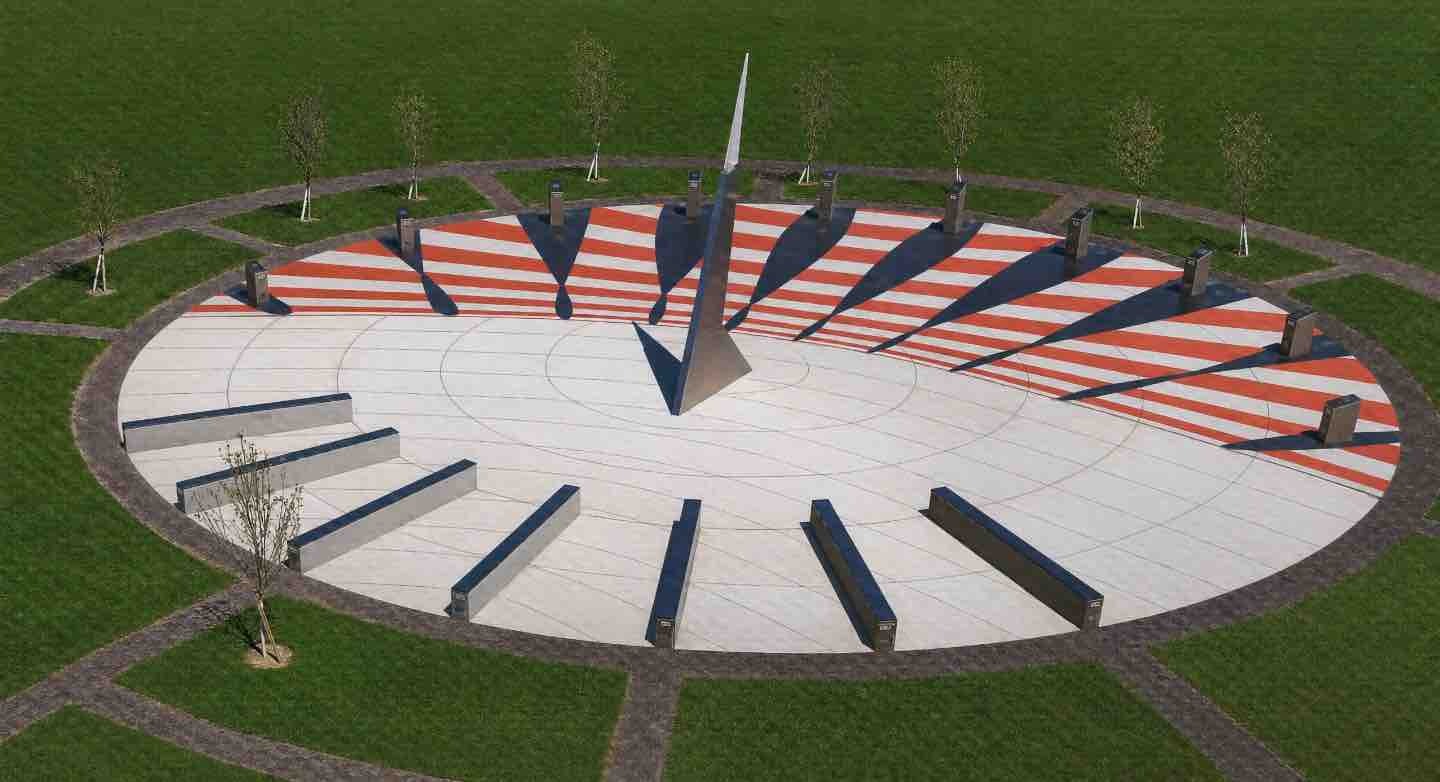
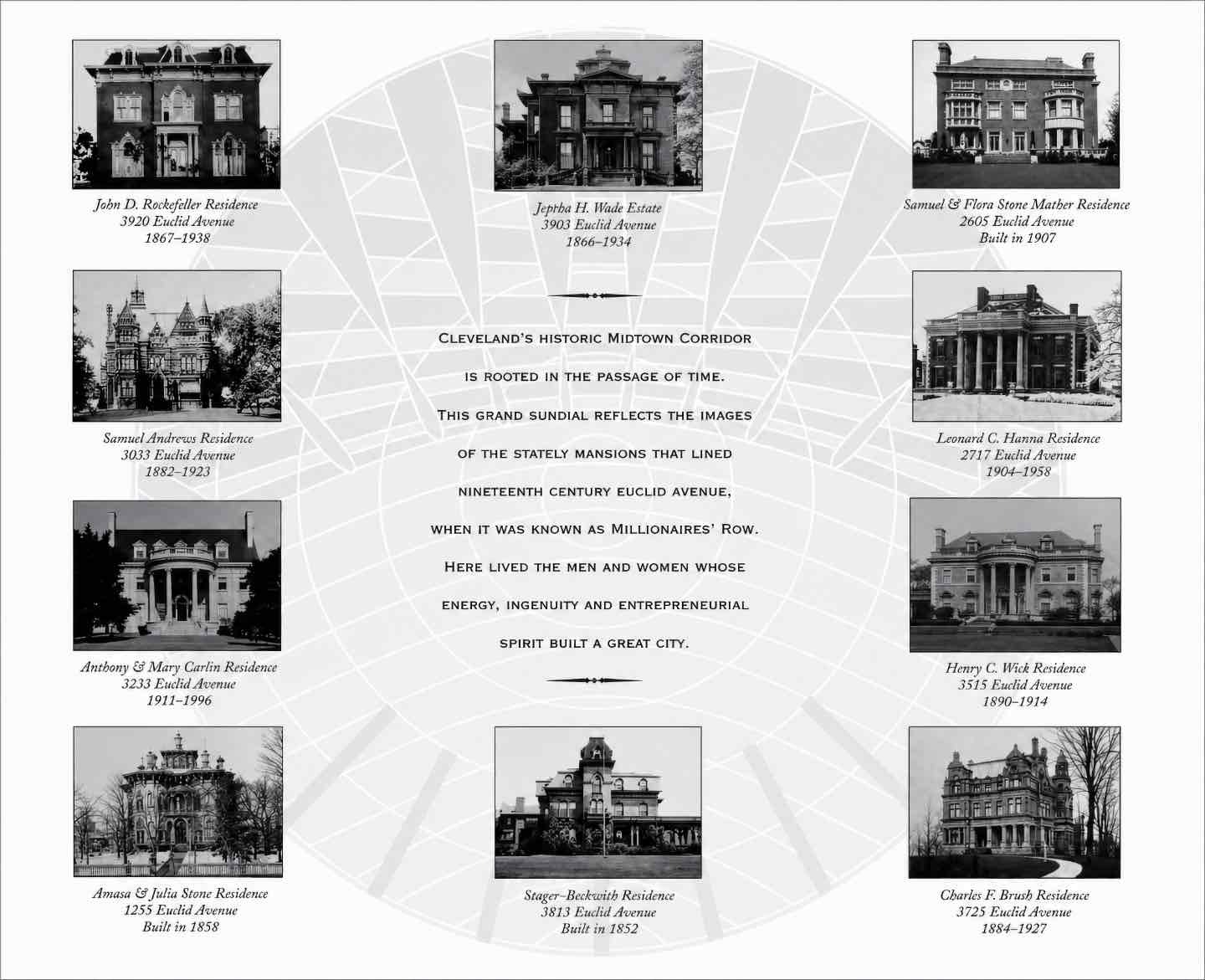
While the headquarters marks a decisive break with the past, the campus incorporates a nod to the mostly lost Millionaires' Row mansions. To commemorate the legacy of Euclid Avenue, Bearings Inc. commissioned Gilberti Spitter International to design the Mansions Sundial, which is symbolically located on the site of the Carlin House. The sundial represents ten mansions on each of the markers. The ten mansions recognized in the sundial are:
- 3920 Euclid Ave. (1867–1938), home of John D. Rockefeller
- 3033 Euclid Ave. (1882–1923), home of Samuel Andrews
- 3233 Euclid Ave. (1911–1996), home of Anthony & Mary Carlin
- 1255 Euclid Ave. (1858–1910), home of Amasa & Julia Stone
- 3813 Euclid Ave. (1866–present), home of Anson Stager & T. Sterling Beckwith
- 3725 Euclid Ave. (1884–1927), home of Charles F. Brush
- 3515 Euclid Ave. (1890–1914), home of Henry C. Wick
- 2717 Euclid Ave. (1904–1958), home of Leonard C. Hanna
- 2605 Euclid Ave. (1912–present), home of Samuel & Flora Stone Mather
- 3903 Euclid Ave. (1866–1934), home of Jeptha H. Wade
The sundial is thought to be one of the largest in the world. The base is 120 feet in diameter and the gnomon, or pointer, is 20 feet tall. Each mansion is represented on the dial by a separate concrete marker indicating standard time and bearing etched impressions of the homes.
Applied Industrial Technologies has a long history in Cleveland, and the sundial honoring the mansions that once lined Euclid Avenue stands as a thoughtful reminder of the street's storied history.
Images