The Cleveland Athletic Club was an epicenter of sports culture in Cleveland for almost a century. Athletes from home and abroad used the CAC's state-of-the-art training facilities and amenities, including a large gymnasium, an indoor track, and an Olympic-sized swimming pool, some of them making sports history in the process.
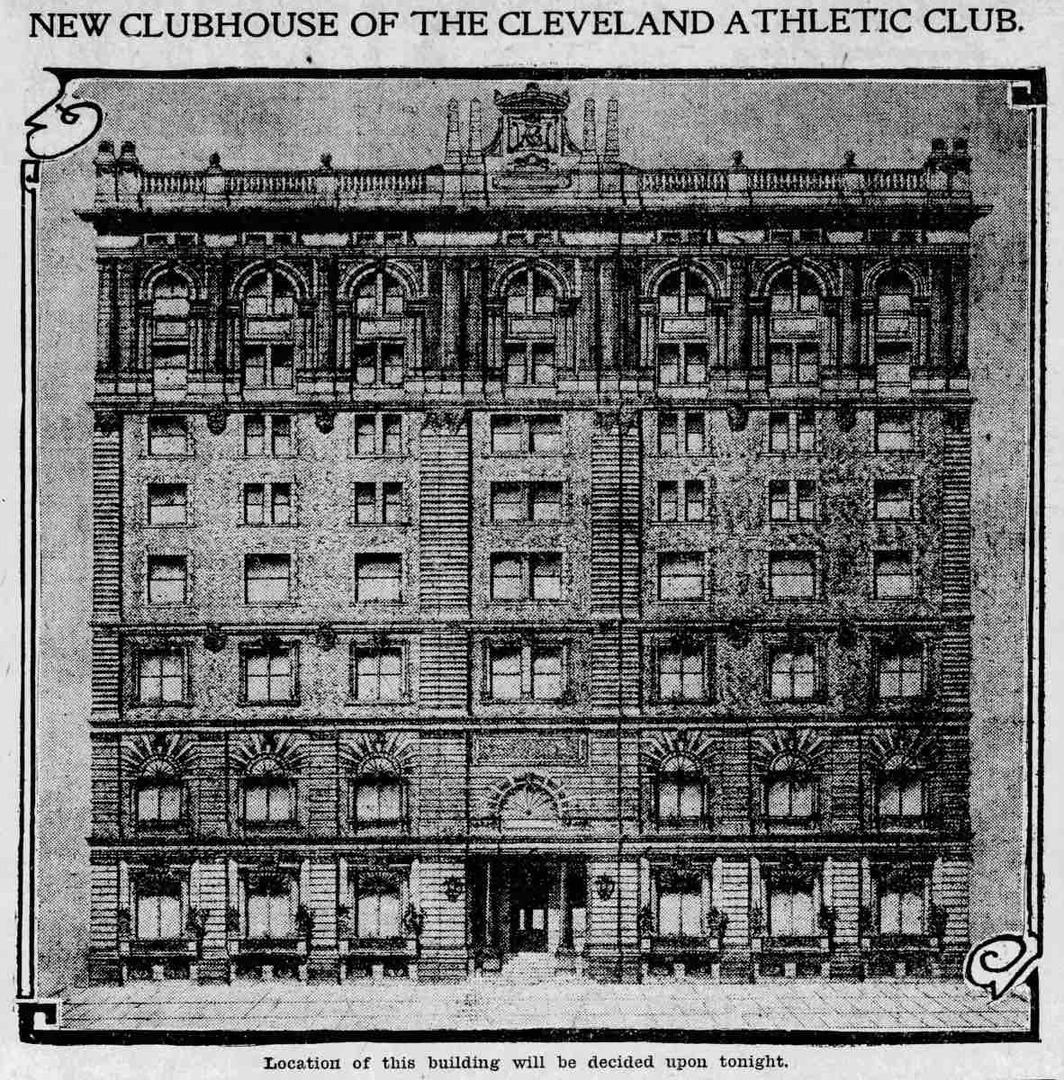
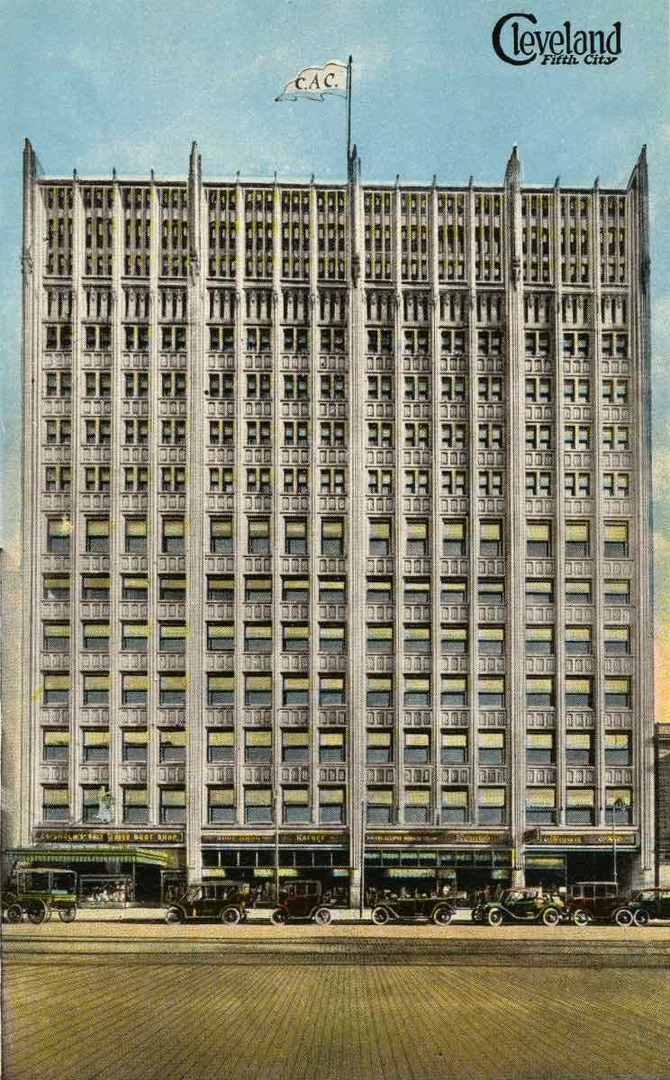
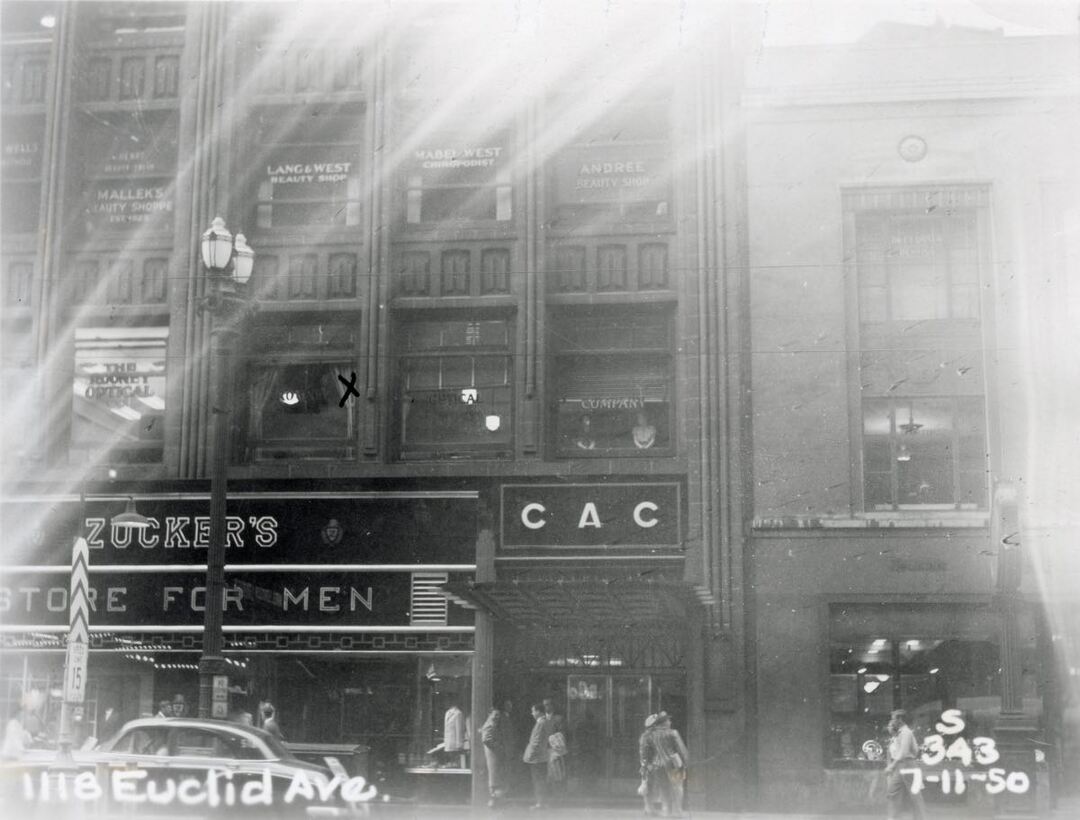
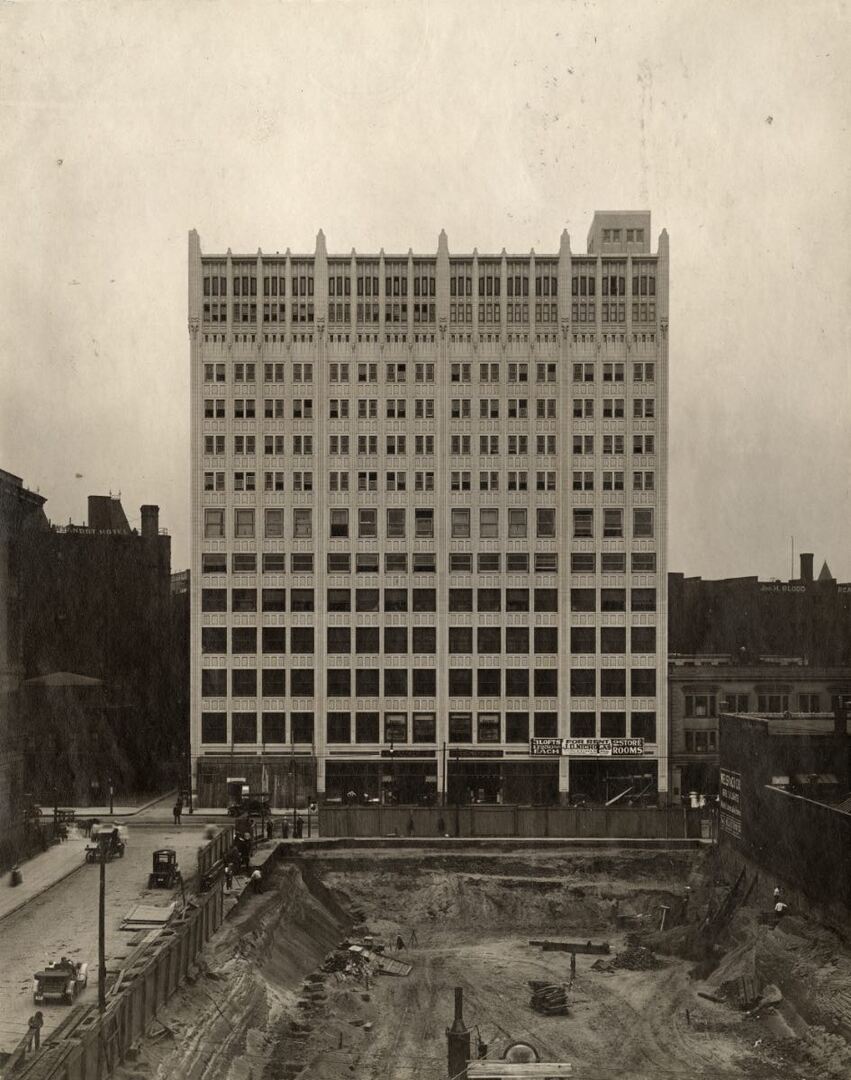
For much of the twentieth century, sports and physical fitness were interwoven with Cleveland’s civic life. One place where this sporting culture took shape was the Cleveland Athletic Club (CAC) Building on Euclid Avenue, designed by architect J. Milton Dyer, who also held other notable local commissions, including for the design of Cleveland City Hall. The architectural contract awarded to Dyer totaled $150,000, marking the building as a significant investment for its time. Operating from 1908 until its closure in 2007, the Cleveland Athletic Club served generations of members and offered state-of-the-art athletic facilities that reflected the growing interest in organized recreation and physical training in the early twentieth century.
The CAC’s origins date to the night of August 10, 1907, when a group of founding members held their first preliminary meeting in the rooms of the Cleveland Auto Club. At that meeting, they elected a temporary president, secretary, and treasurer, and began organizing what would become one of Cleveland’s leading private athletic institutions. Most of these early members were affluent businessmen and professionals who contributed their own funds to establish the club and recruit additional members. Membership grew steadily during the club’s early years, even as members debated the final location of the clubhouse.
Formal elections were held in 1908. W. P. Murray was once again elected president. Also elected that evening were A. J. Huston as vice president, George A. Schneider as secretary, and A. H. Bedell as treasurer. After two more years of discussion, members decided on a site on Euclid Avenue in 1910. The finished clubhouse occupied the upper ten floors of the 15-story Cleveland Athletic Club Building, which opened in November 1911, giving the CAC a permanent home.
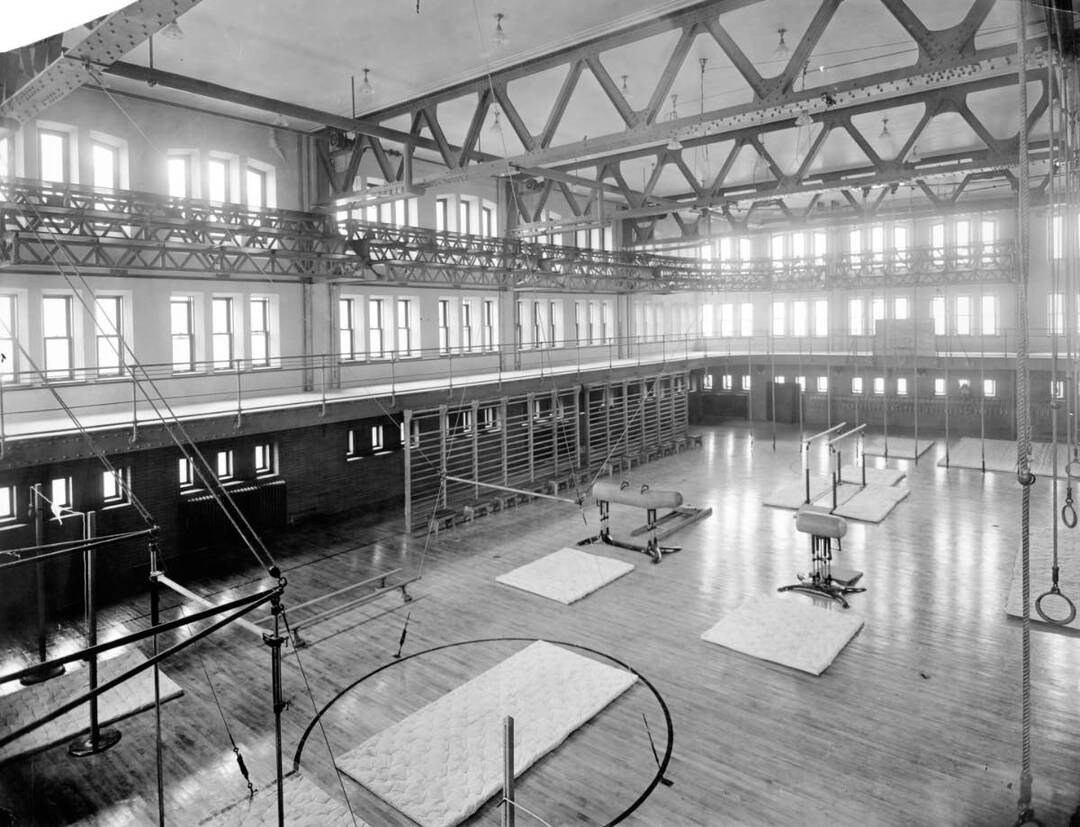
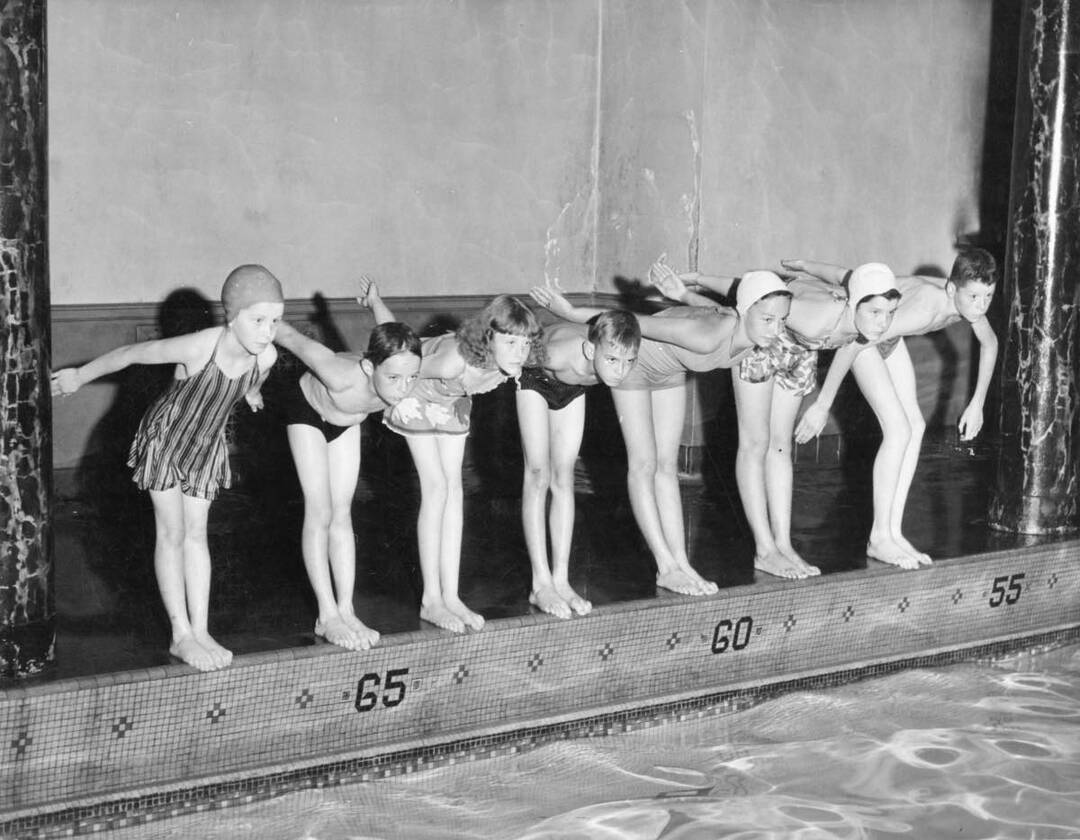
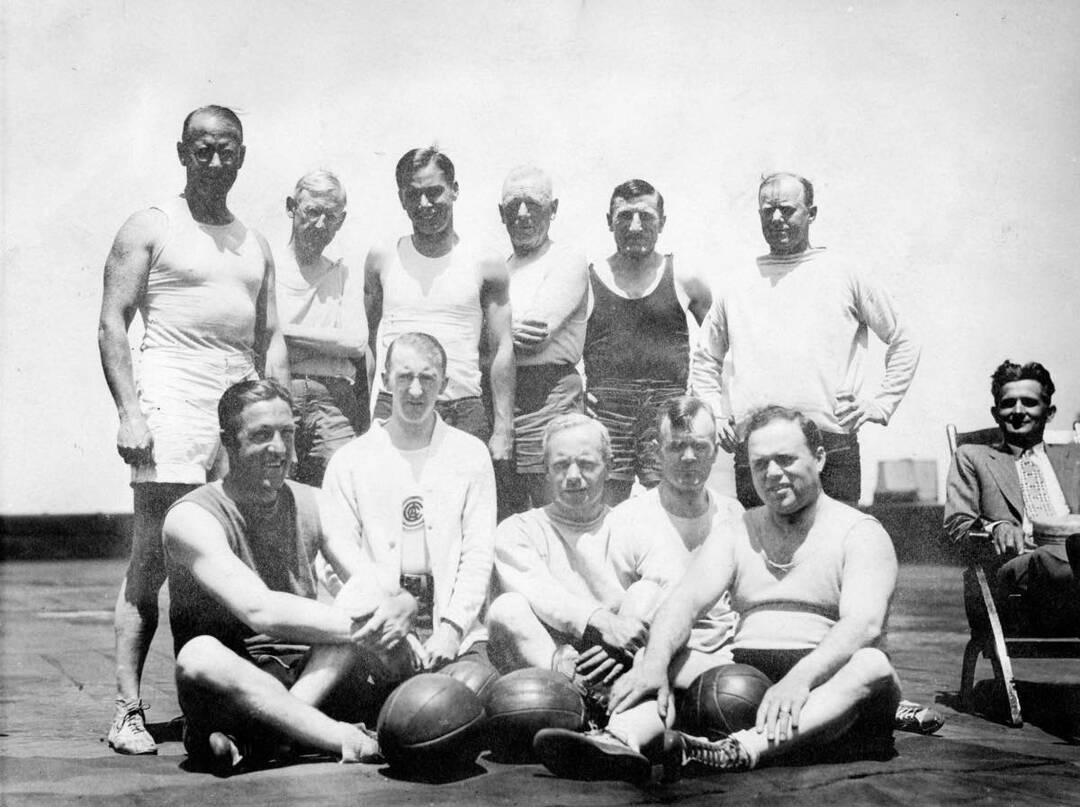
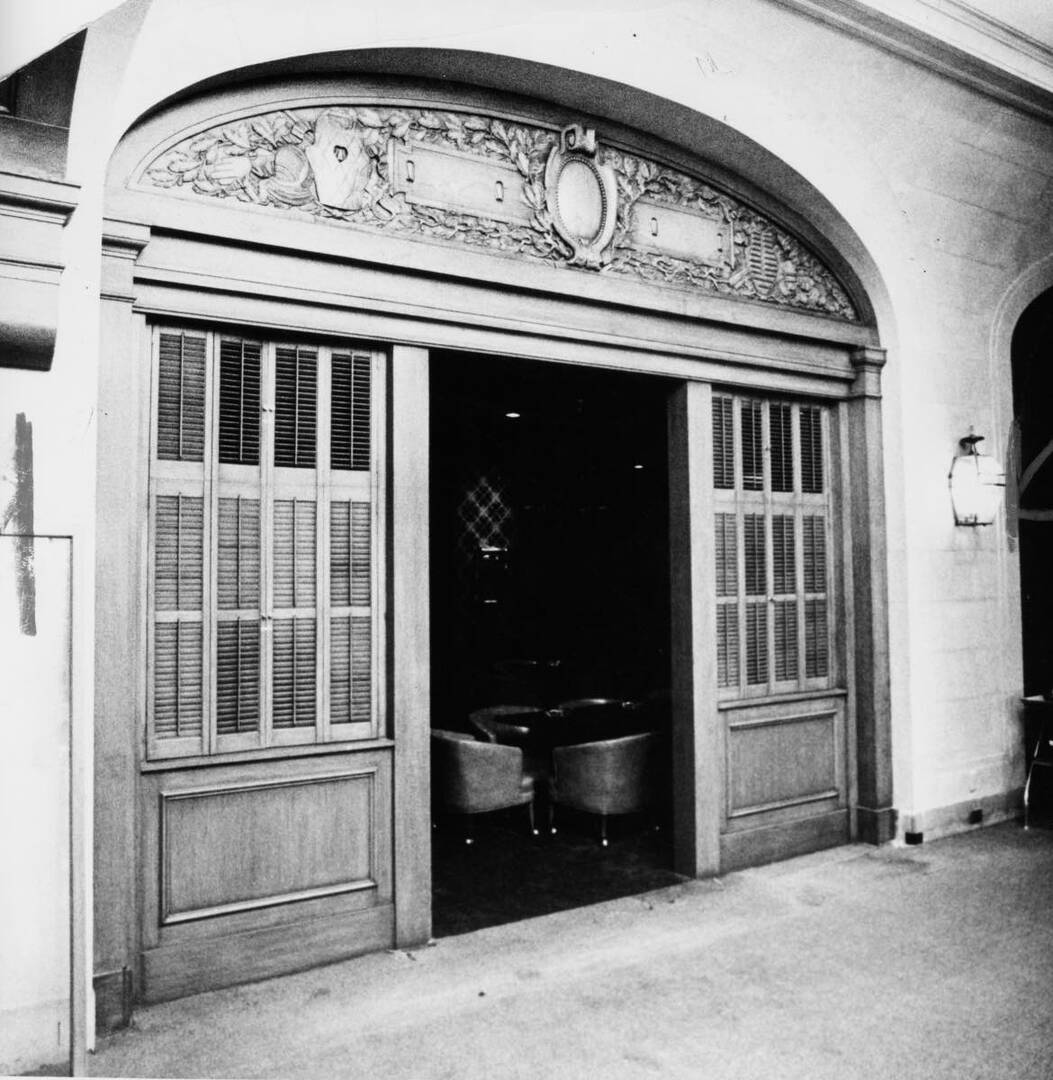
From its earliest years, the Cleveland Athletic Club distinguished itself through its facilities, which included multiple gymnasiums, boxing rings, handball courts, and a large indoor swimming pool, as well as dining rooms, meeting spaces, and social areas. These amenities made the club both a center for athletic training and a favored spot for Cleveland’s business and professional community to gather.
The clubhouse attracted many prominent athletes to its facilities for training exercises. Boxing legend Joe Louis trained for several days at the CAC during a visit to Cleveland in 1936. Swimming exhibitions and competitions were also held in the club’s twelfth-floor natatorium, attracting many skilled swimmers. The most illustrious was Johnny Weissmuller, who set the world record for 150-yard backstroke in the club pool in 1922 before going on to win five gold medals in the next two summer Olympics and, later, starring in the Tarzan films.
Track meets hosted by the club marked another contribution to the city’s sporting culture and gave young athletes a place to develop their skill during the winter months. Among them was Jesse Owens, who participated in meets there during his school years. At the time, Owens was already gaining recognition locally for his remarkable speed, shattering several records—some of them his own—on the club’s track.
The Cleveland Athletic Club remained a strong institution for nearly a century, serving as one of a number of prestigious anchors on the city’s most celebrated street. Although the CAC closed in 2007, the building continues to offer a reminder of the era when large cities’ athletic clubs were prominent features of urban civic life. When it was converted into apartments in 2019, the CAC Building got new name—The Athlon—that commemorates its history as a place that connected the city to regional and national athletic networks and gave Clevelanders an opportunity to see some of the great athletes of their time.
Images