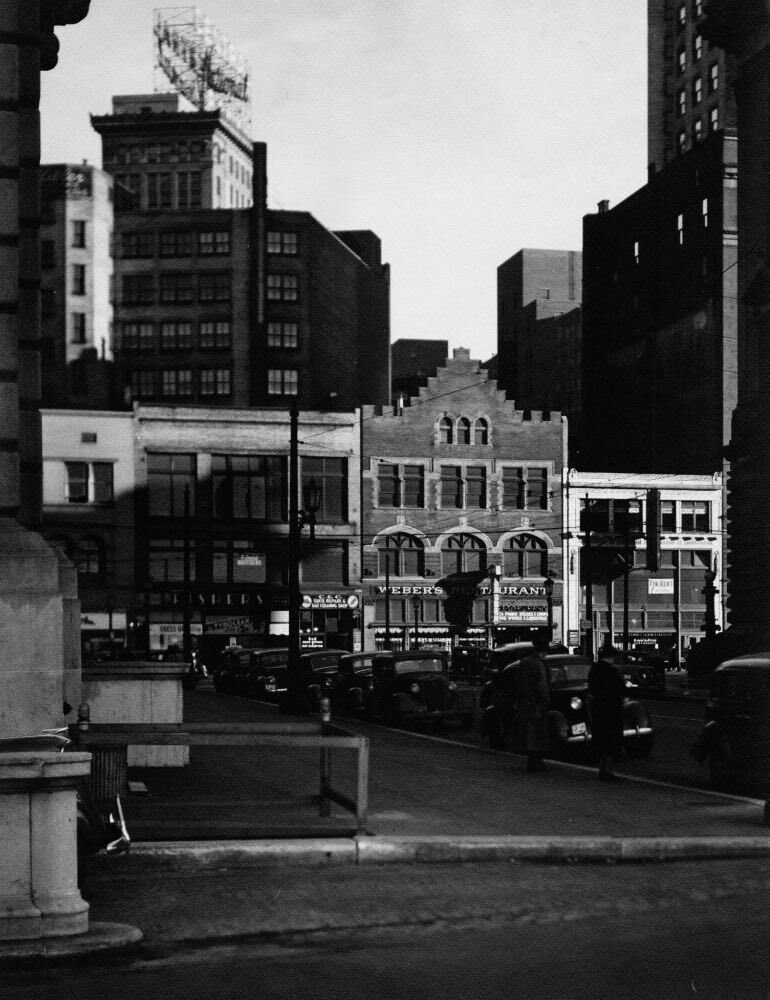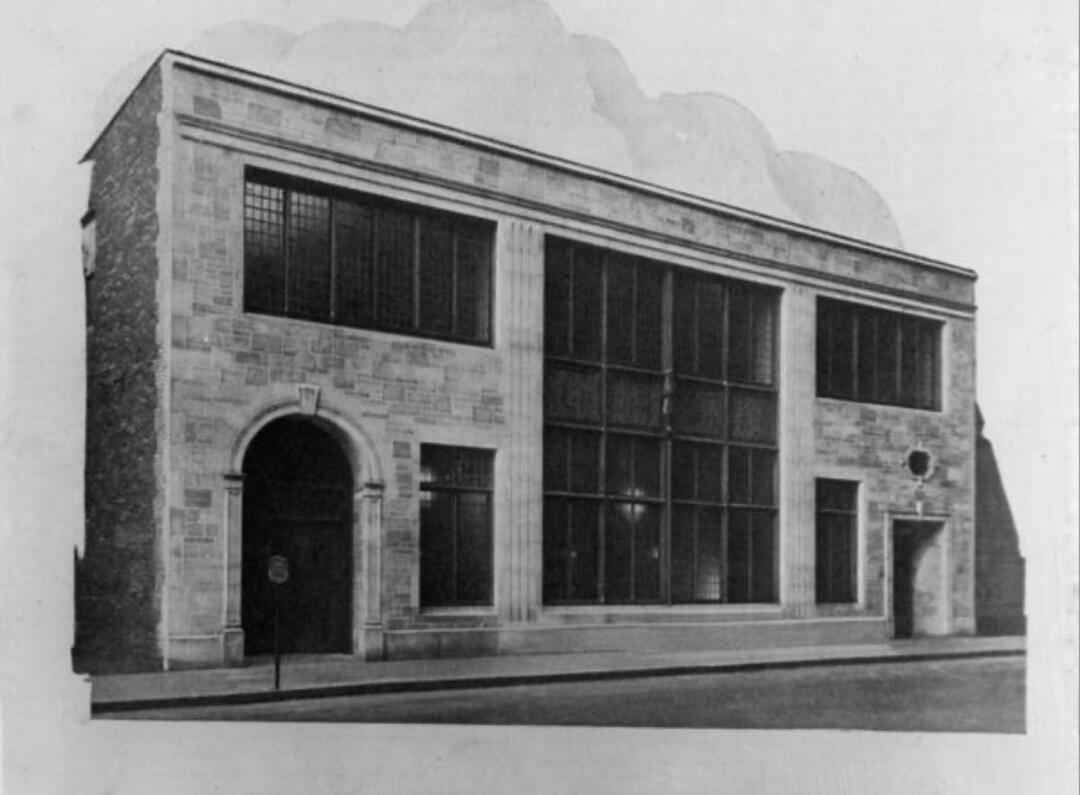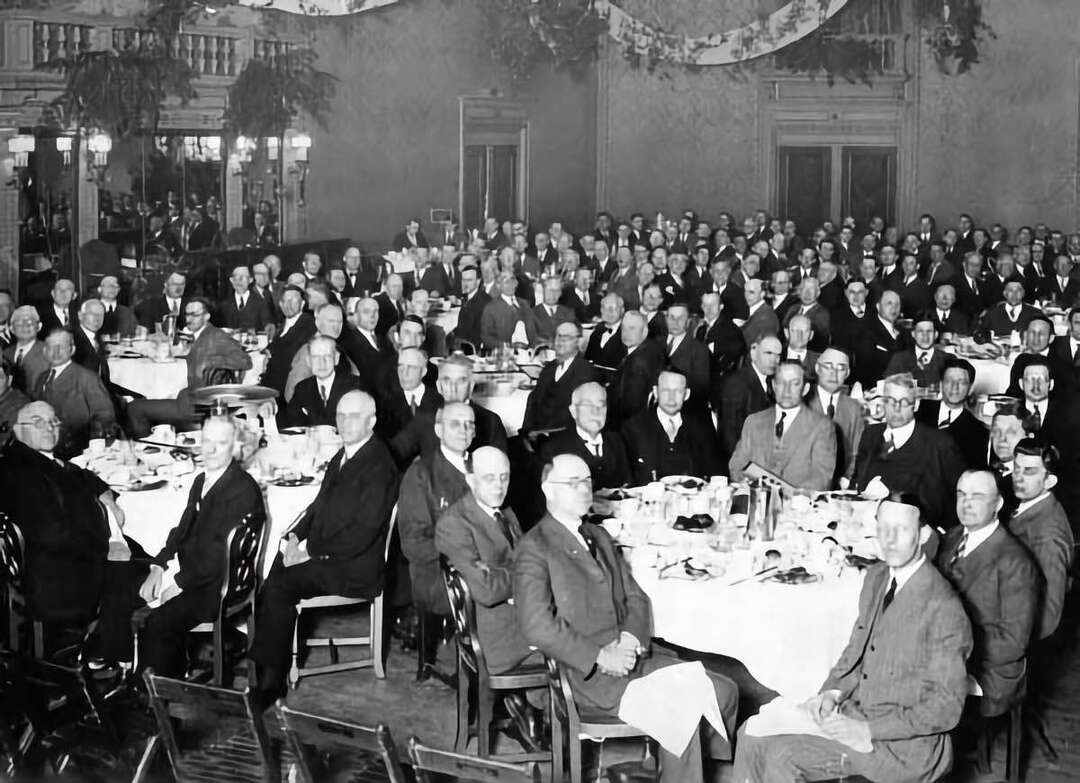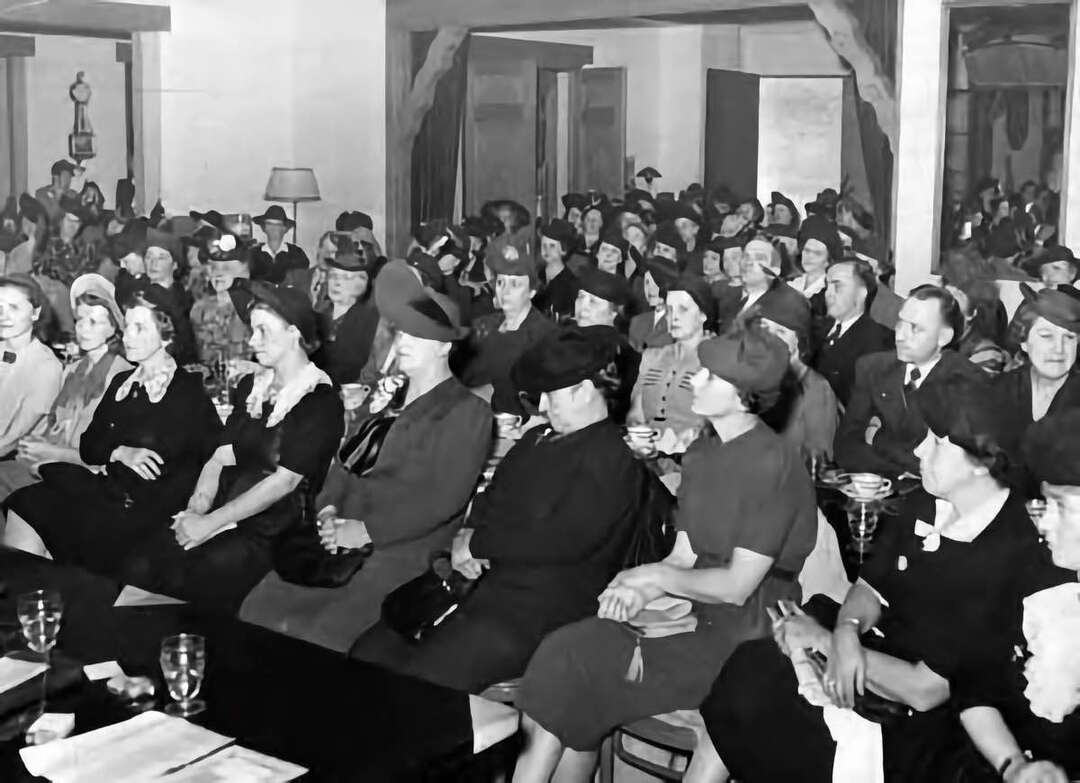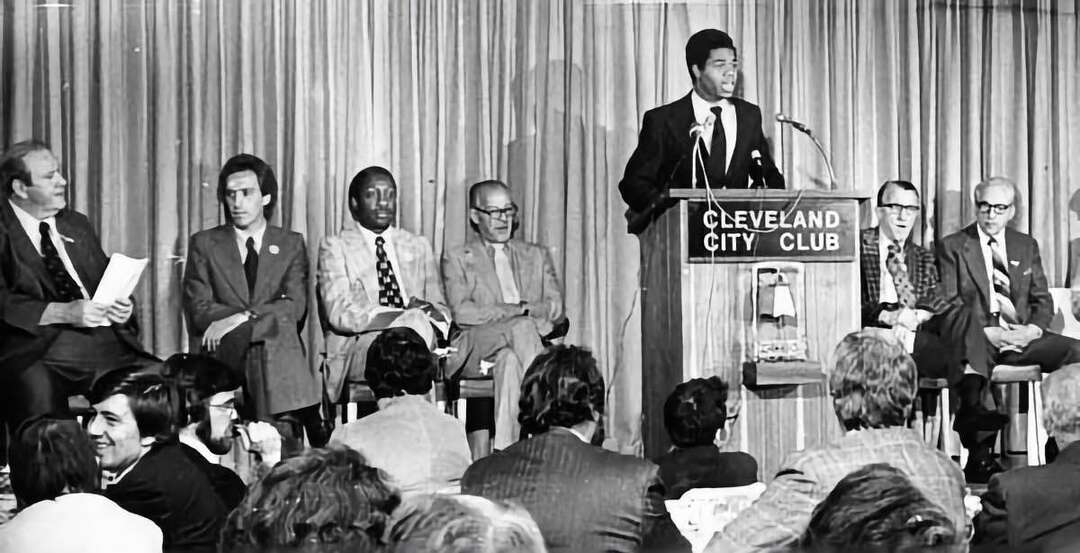
Founded in 1912, the City Club has long been known as "Cleveland's Citadel of Free Speech." The City Club was the brainchild of Mayo Fesler, a young reformer from St. Louis who came to Cleveland to direct the reorganization of the Municipal Association. Fesler convinced local business and civic leaders that Cleveland needed a City Club like those that existed in several other cities at the time.
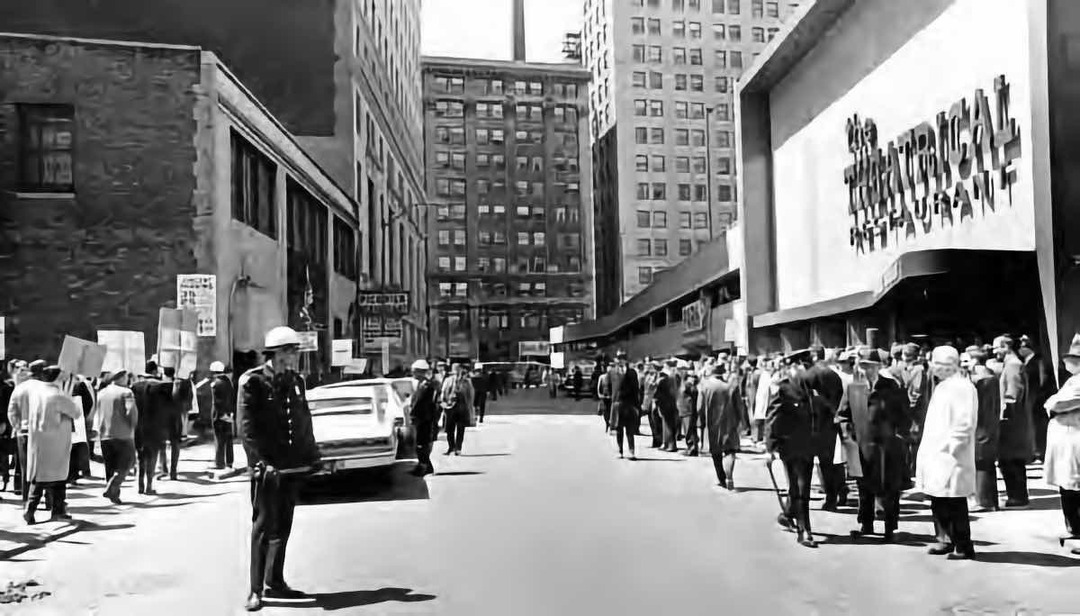
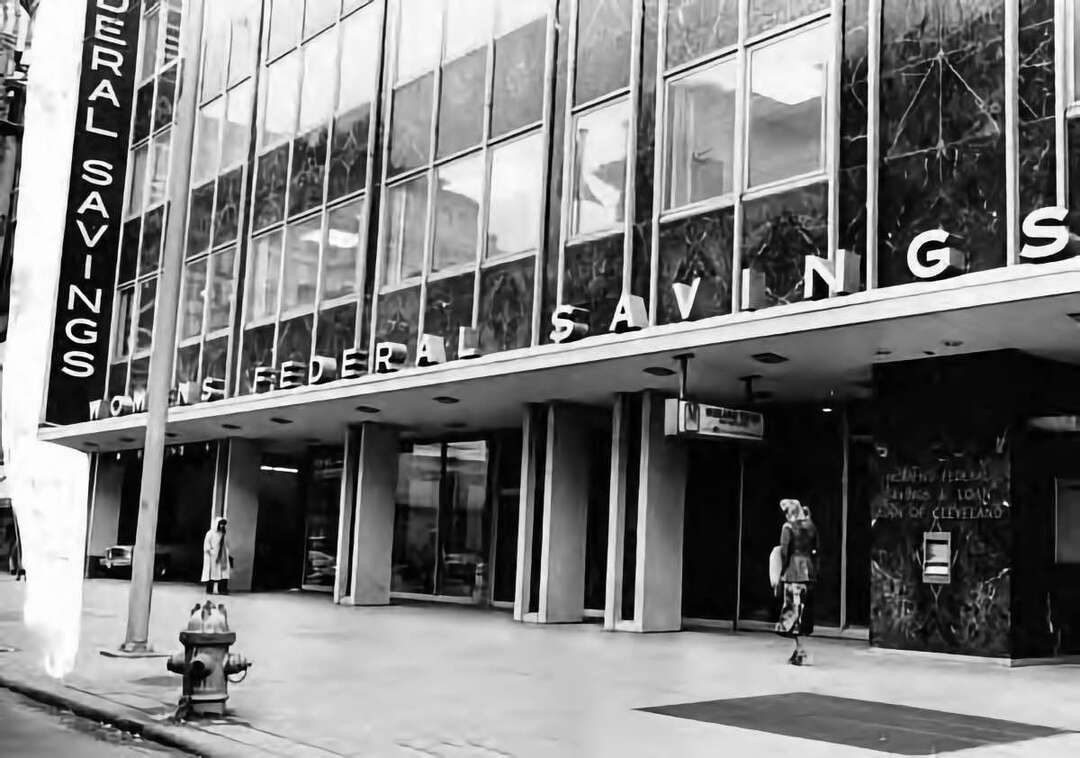
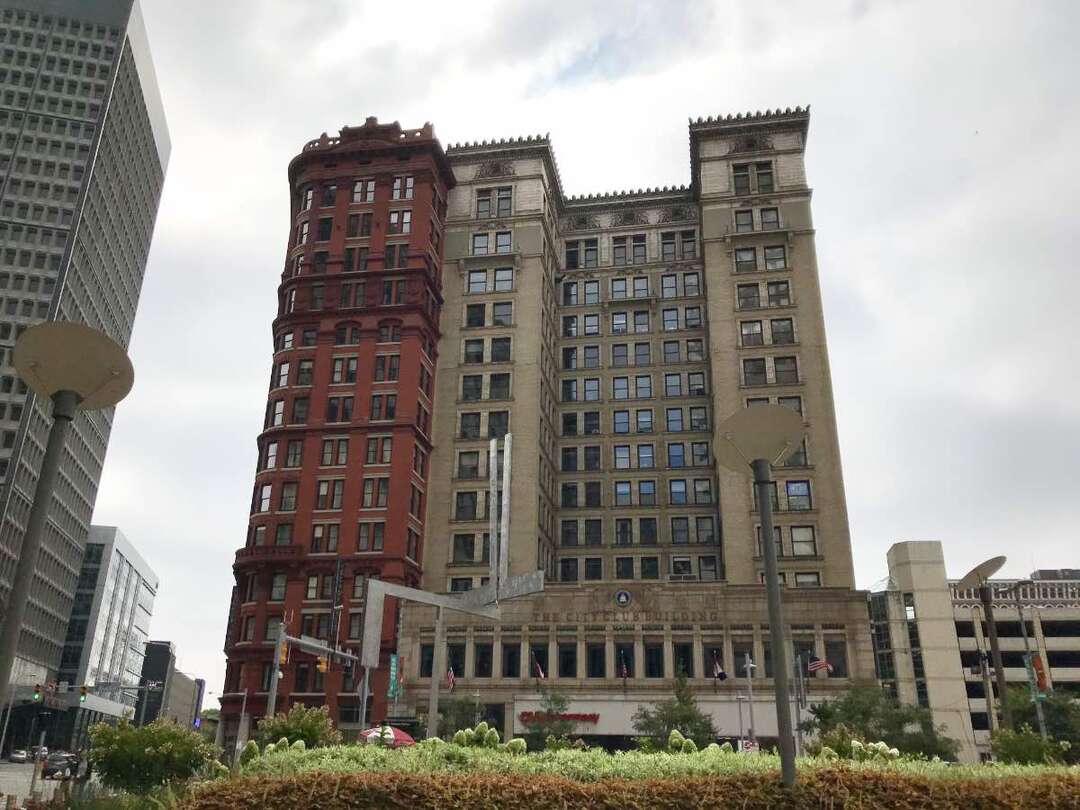
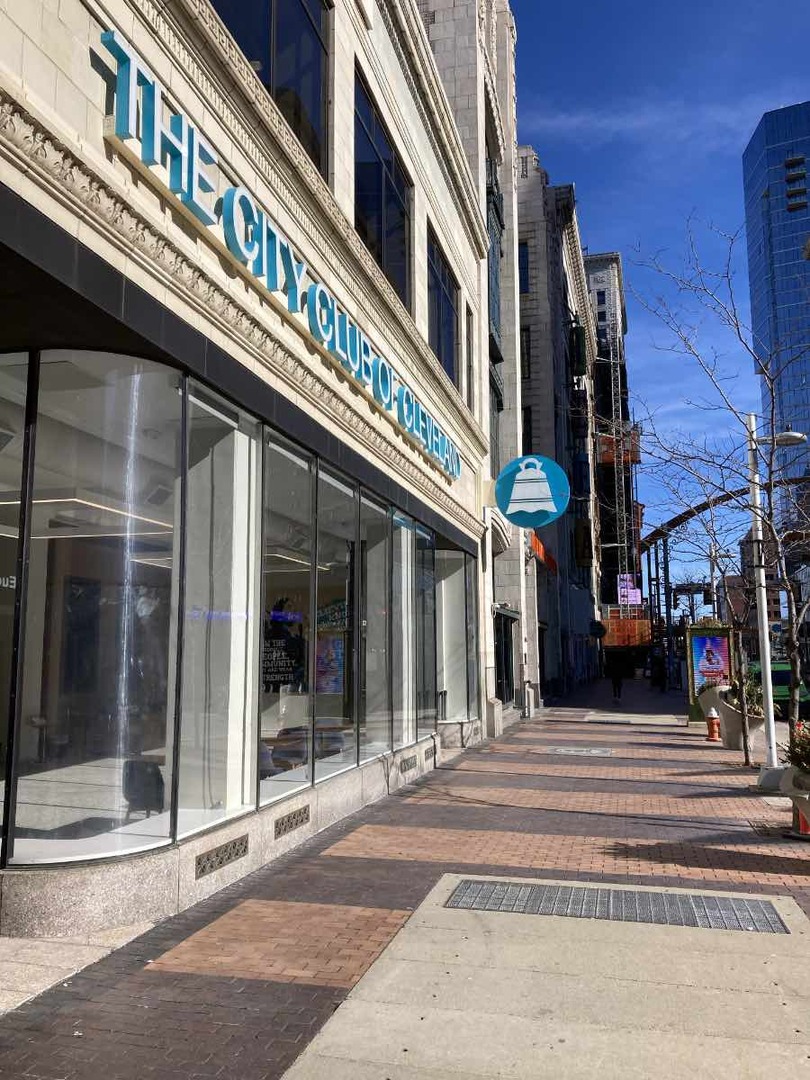
The City Club moved several times, always in downtown, in its 110+ year history. It originated in Weber's Restaurant on Superior Avenue. After four years it moved to the Hollenden Hotel, where it remained for the next thirteen years. Its most enduring location was on Short Vincent across from the Theatrical Grill, where it stayed from 1929 to 1971. Following twelve years in the Women's Federal Savings Building (very near its original location), it moved in 1983 to the Citizens Building at 850 Euclid Avenue. It stayed there exactly forty years before relocating to a former storefront at 1317 Euclid Avenue, a location with far more visibility from passersby in Playhouse Square.
As the oldest continuous free speech forum in the United States, the City Club has always encouraged a nonpartisan, open exchange of ideas relating to the key issues of the day. The weekly Friday Forum – the club's trademark event – has proven to be highly successful, drawing locally, nationally, and internationally distinguished speakers to Cleveland. It was broadcast on radio station WHK starting in 1928 and is now heard live on WKSU (Ideastream) and is rebroadcast on more than 200 radio stations nationwide. Each Forum includes a mandatory question and answer session at the end of the week's speech or debate, allowing for genuine audience participation. The only time the rule was not applied was when Bobby Kennedy gave the eulogy to Martin Luther King Jr. in 1968. In the 1980s, President Ronald Reagan balked but ultimately acceded to the club's rule requiring speakers to field open, unfiltered questions from the audience.
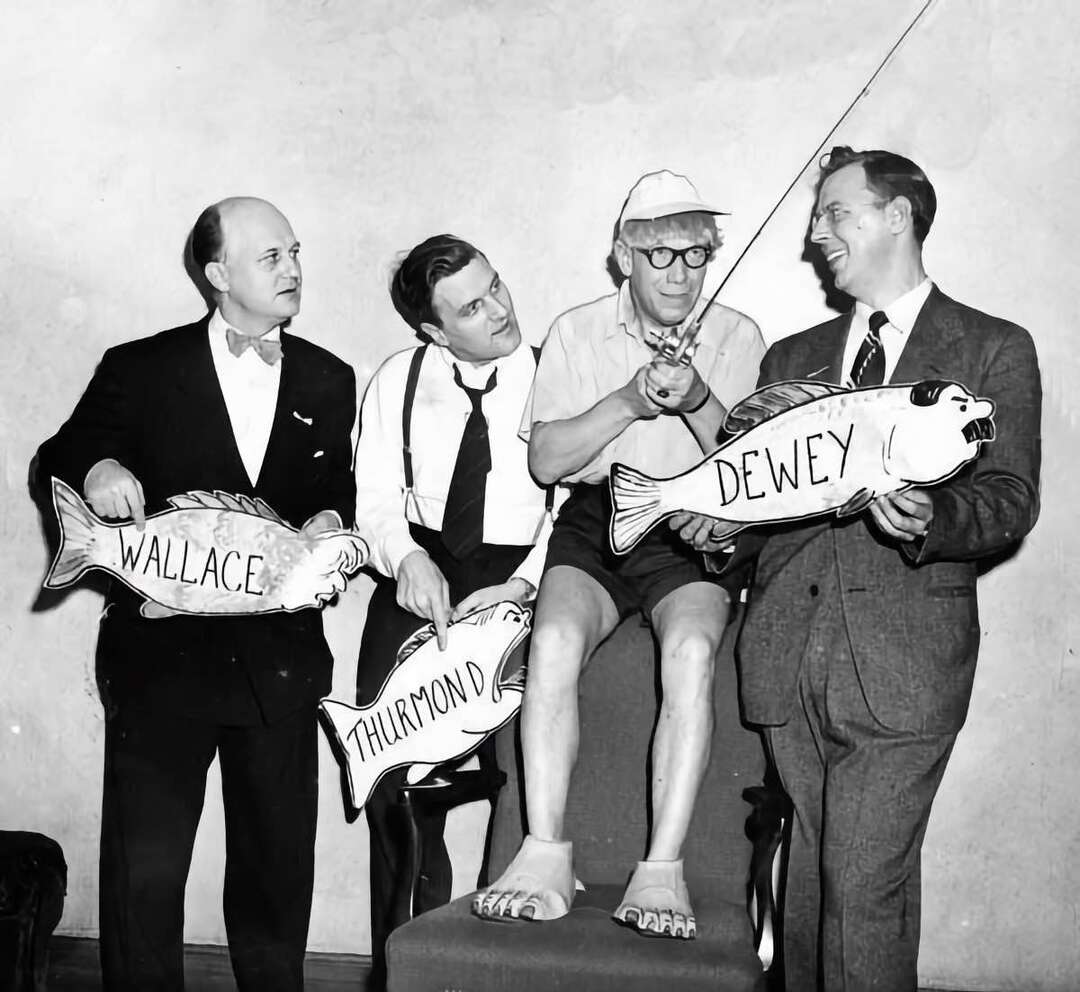
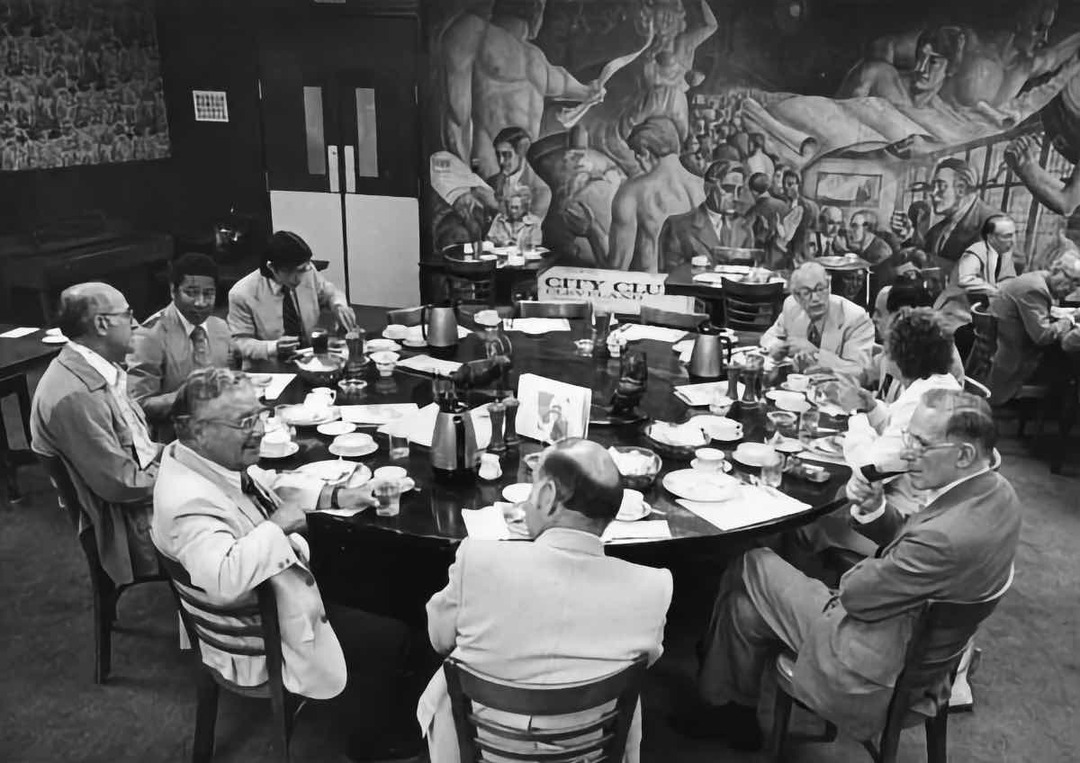
The City Club was also highly active beyond the Forum. One tradition, the Anvil Revue, a satirical musical staged by a cast of club members to poke fun at politicians or institutions, was staged live annually from 1914 until 1976 and has since been enacted primarily on the club's radio broadcast. In an era when downtown Cleveland was by far the largest weekday hub of businessmen and professionals, the City Club was one of a number of favored lunch meeting places, and it was common for club members to enjoy pinochle and other card games. Members gravitated to various tables that sometimes assumed reflective nicknames, most notably the Soviet Table, which attracted left-leaning members.
For its first sixty years, the City Club was ostensibly open regardless of race or creed, but apart from its Forum, it was emphatically a men's-only organization. A separate Women's City Club formed in 1916. Unlike the City Club, whose main purpose was to foster the free exchange of ideas, by the 1920s the women's counterpart also took up a range of civic causes. When the City Club moved into the Women's Federal Savings Building in 1971, the Women's City Club opted to share that space. A year later, the City Club began admitting women as members. In more recent years, the City Club has extended its programming well beyond the traditional Friday Forum to encompass forums in neighborhood venues throughout the city. Ever with an eye to the future, the oldest free speech forum has subsidized the participation of area students, perhaps in the process cultivating the next generation of City Club members.
Audio
Images