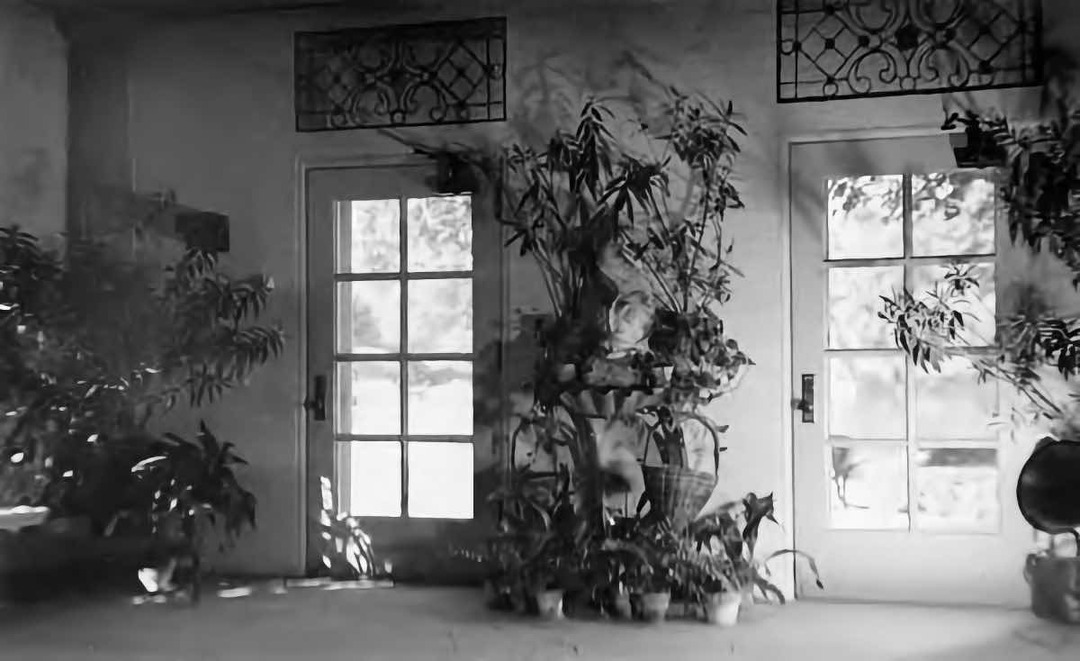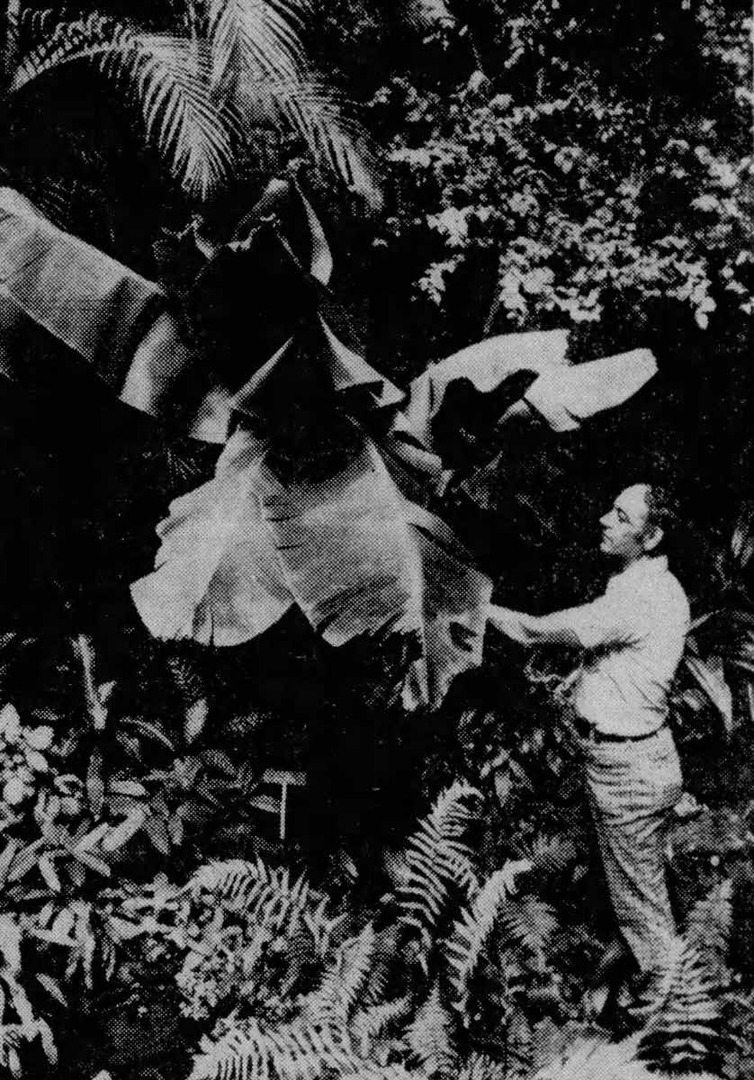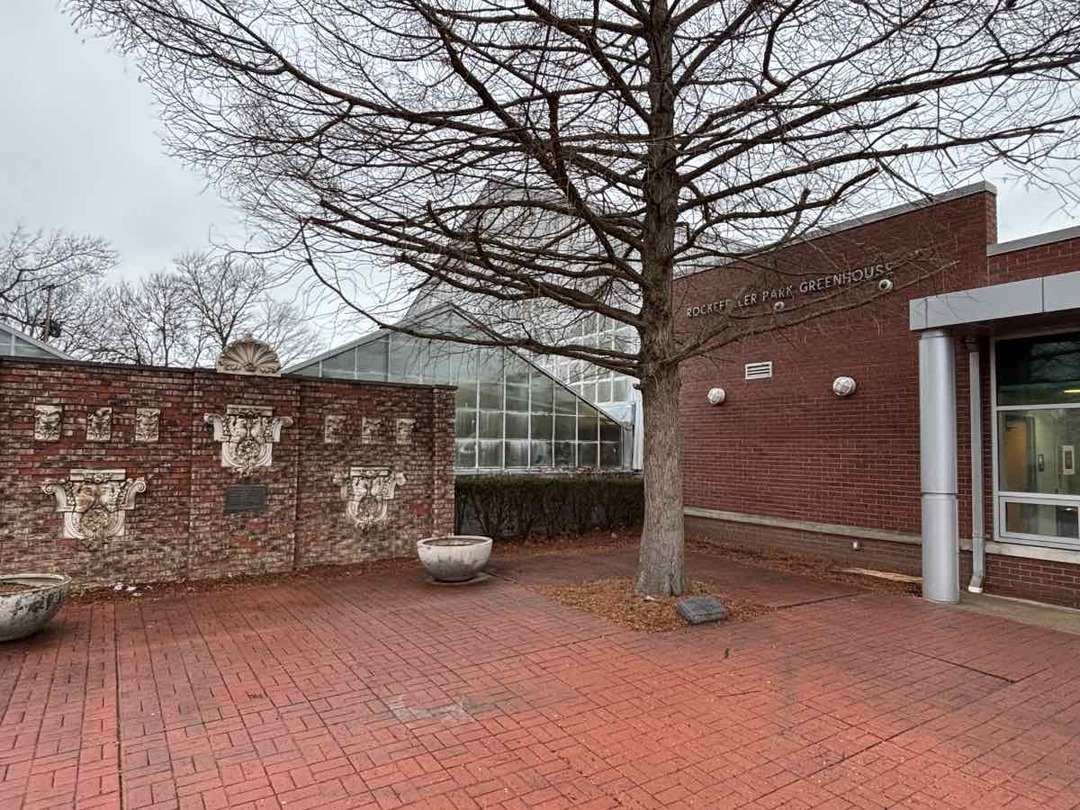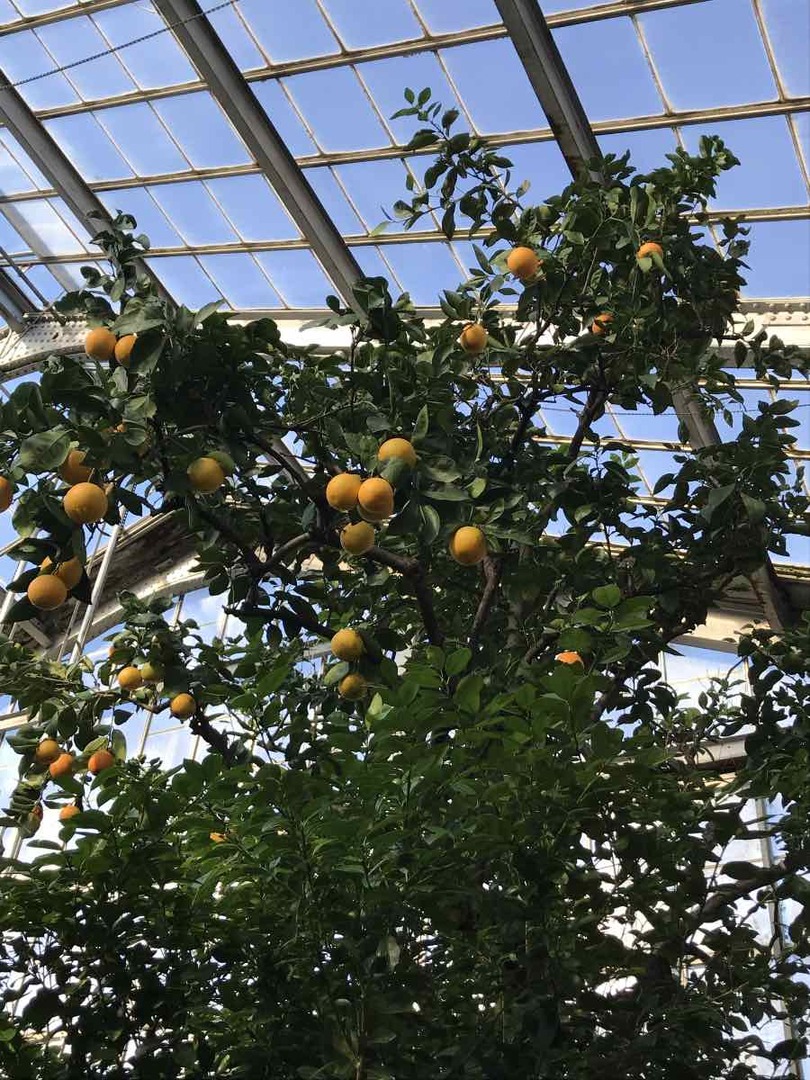
Tucked away on a hilltop above the Cultural Gardens is an unassuming facility that for more than a century has played a mostly unseen role in supplying the Forest City’s parks, boulevards, and public properties with flowers, shrubs, and trees, while also cultivating a distinctive collection of tropical foliage and fruit-bearing trees.
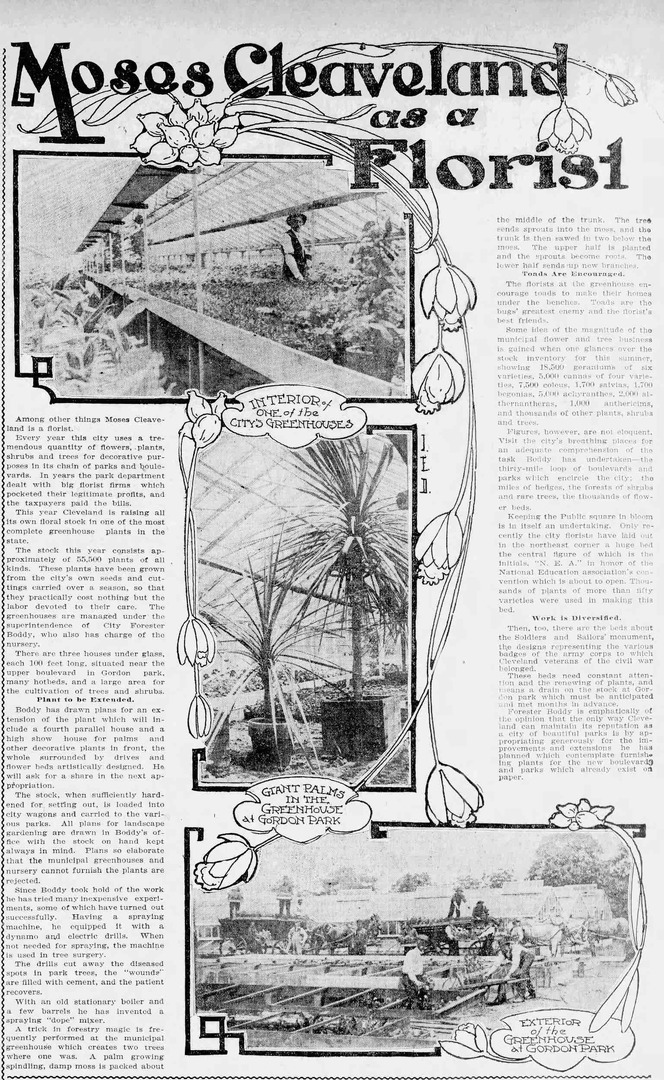
The Rockefeller Park Greenhouse has its origin in greenhouses given to the city by the estate of William J. Gordon, whose country seat became Gordon Park in 1894. Five years after John D. Rockefeller deeded land to connect Gordon Park with Wade Park in 1897, the municipal government planned a new “city greenhouses” complex, which opened in 1905. Sometimes erroneously referred to as the Gordon Park Greenhouse in its early years, the complex was actually in Rockefeller Park.
The primary purpose of the city greenhouses was to supply trees and shrubs for Cleveland’s parks, boulevards, and public properties. The greenhouses also donated flowers to hospital wards. However, the idea of a botanical showcase for the city also took root. In 1913, the city completed a large new greenhouse to display palms, ferns, and orchids to the public, including the donated exotic plant collection of William E. Telling. This greenhouse also provided a place to keep the goldfish from the Public Square pond during the winter.
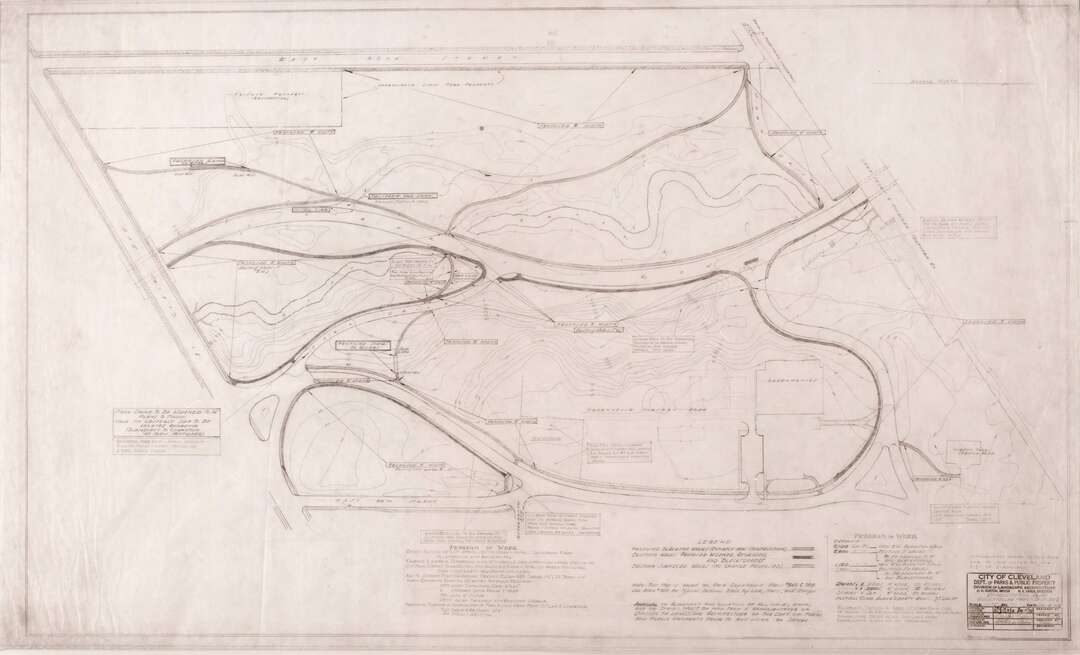
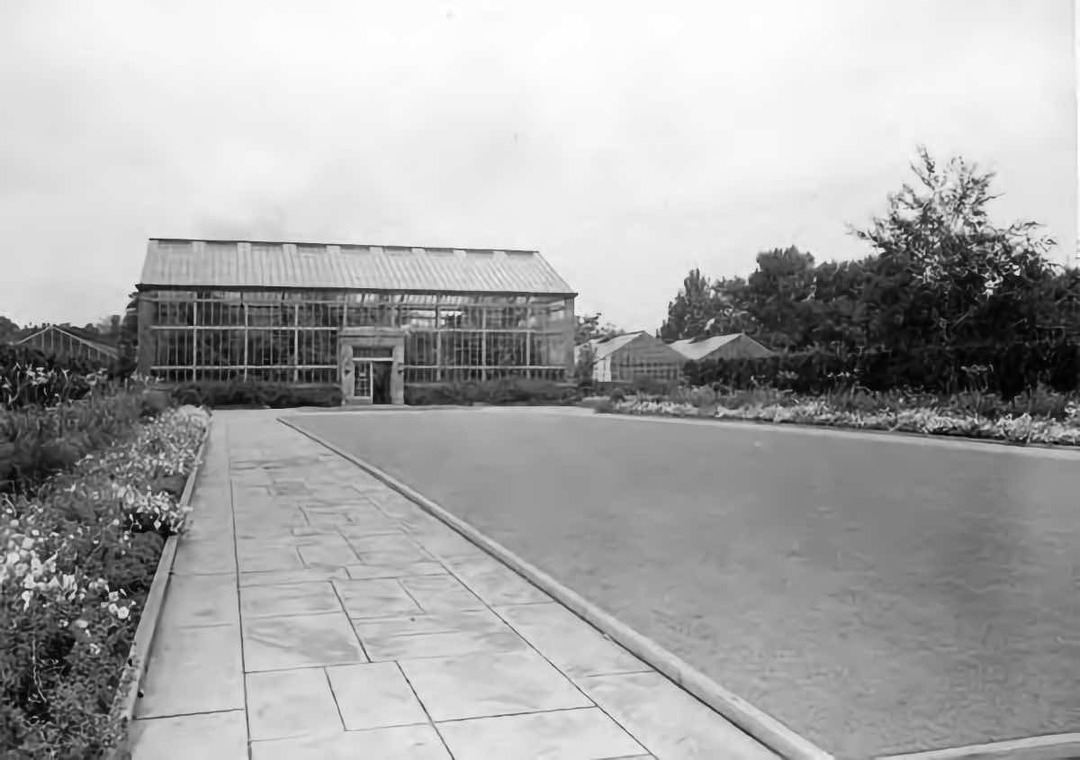
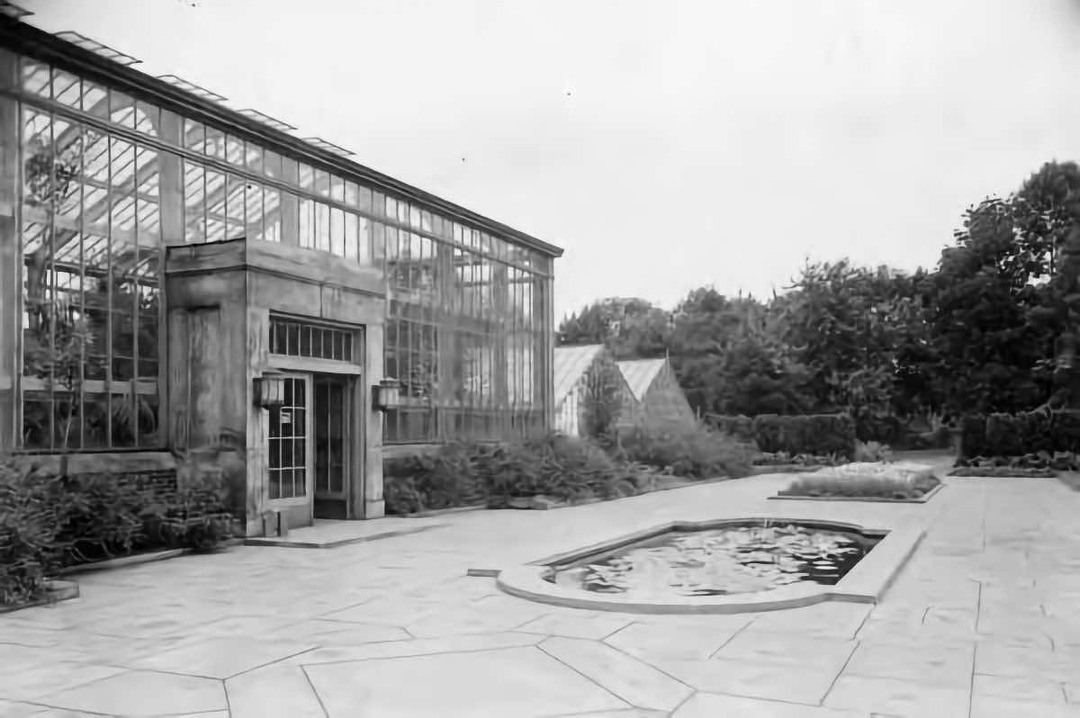
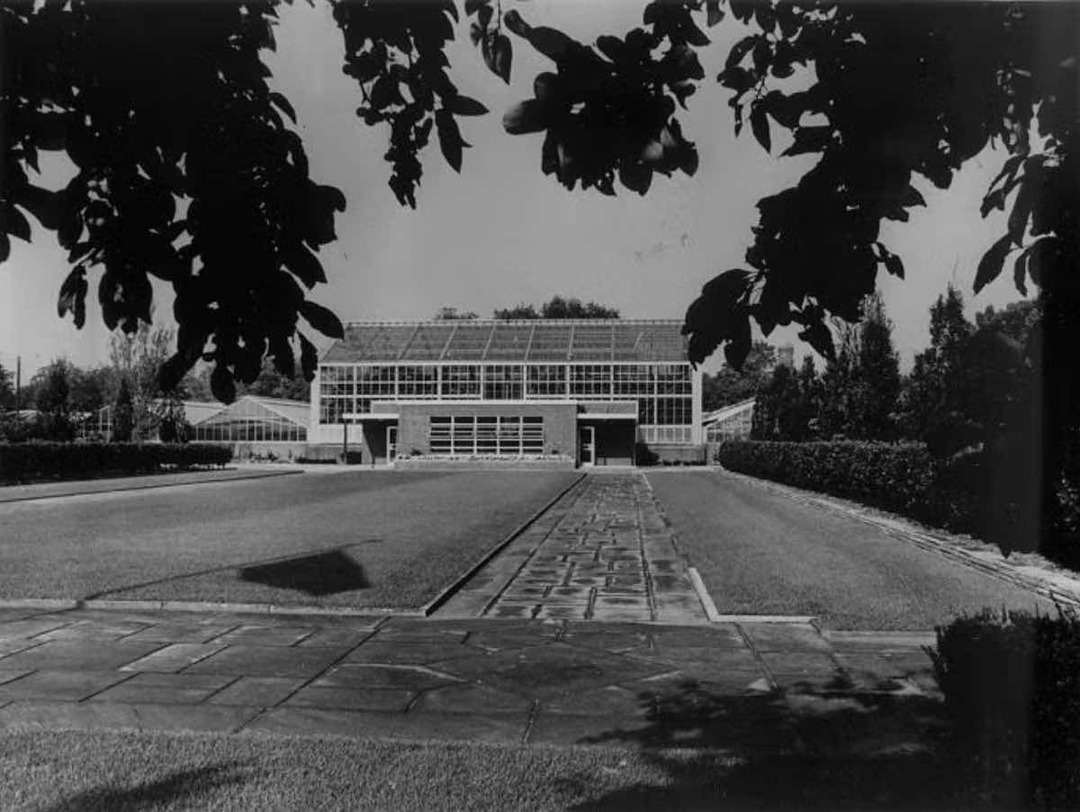
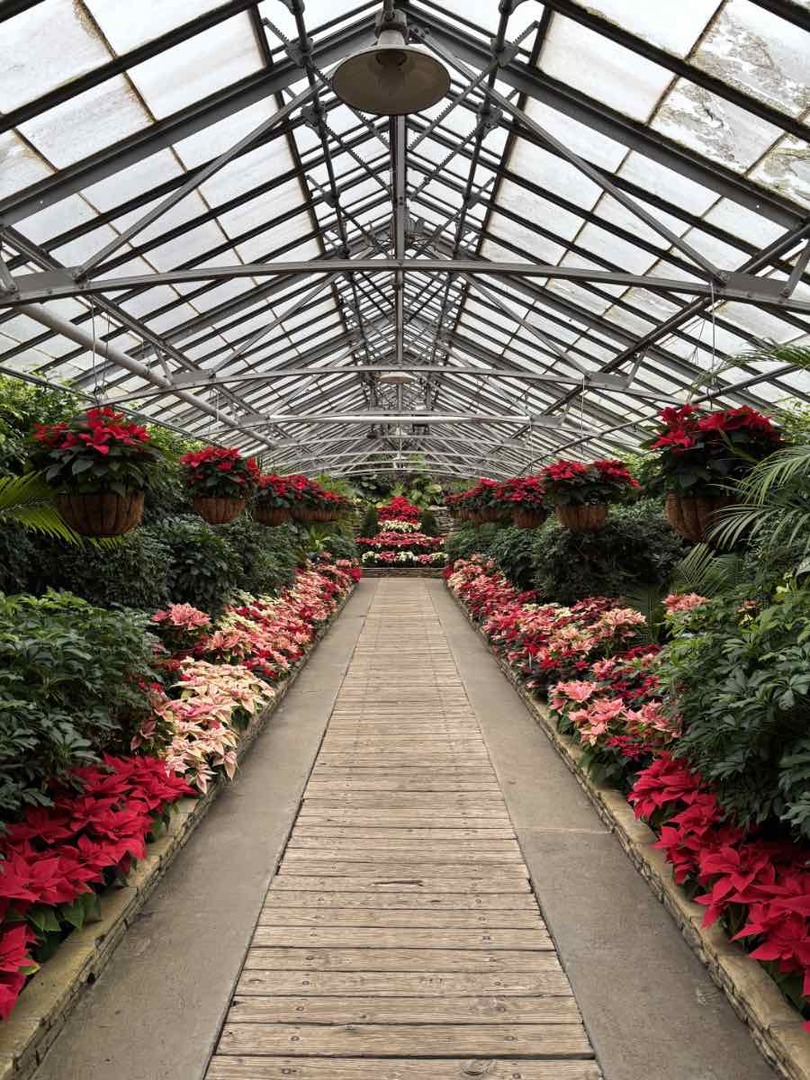
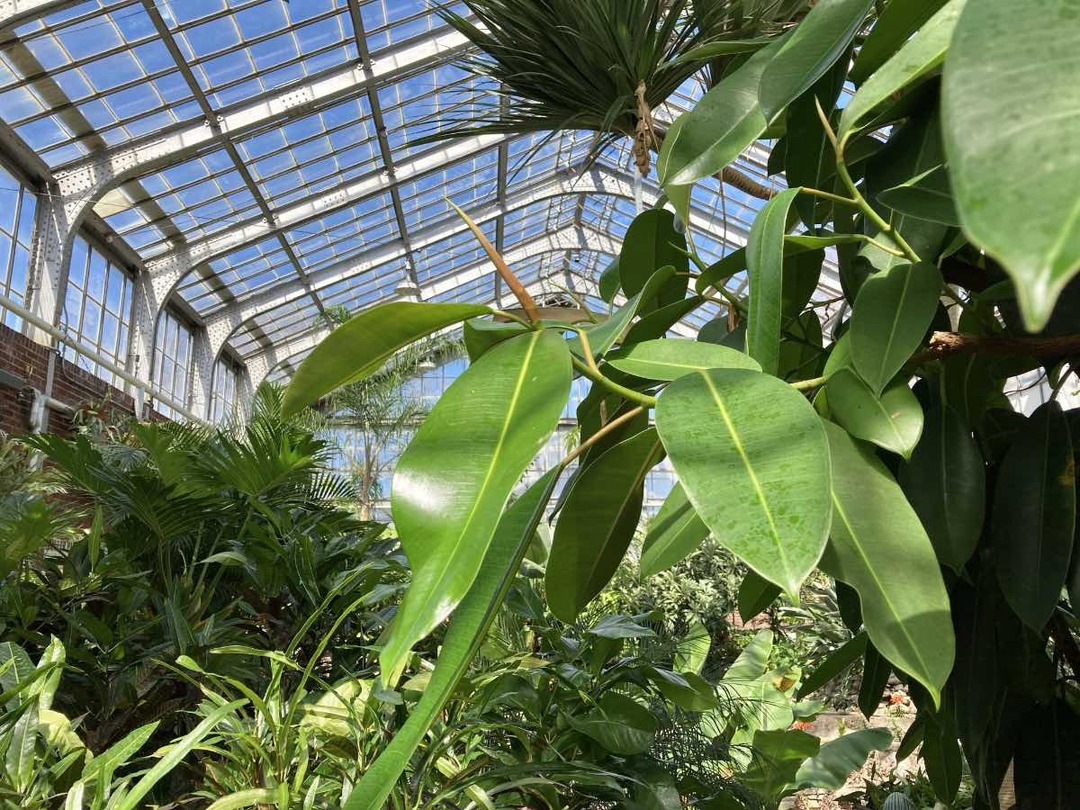
Despite its pre–World War I origins, the Rockefeller Park Greenhouse as we know it is largely a product of the New Deal. Between 1937 and 1939, the Works Progress Administration (WPA) rebuilt the city greenhouses with a substantial new Palm House (now called the Tropical Showhouse) surrounded by six other greenhouses that raised the facility’s area under glass sixfold to 35,000 square feet. A center walk divided the Palm House into two lush sunken gardens lined with tufa rock salvaged from the Great Lakes Exposition. One of these gardens featured a waterfall and the other a statue. Looming overhead were six 30-foot-tall royal palms taken from the Florida exhibit at the Great Lakes Exposition, as well as other tropical trees and plants.
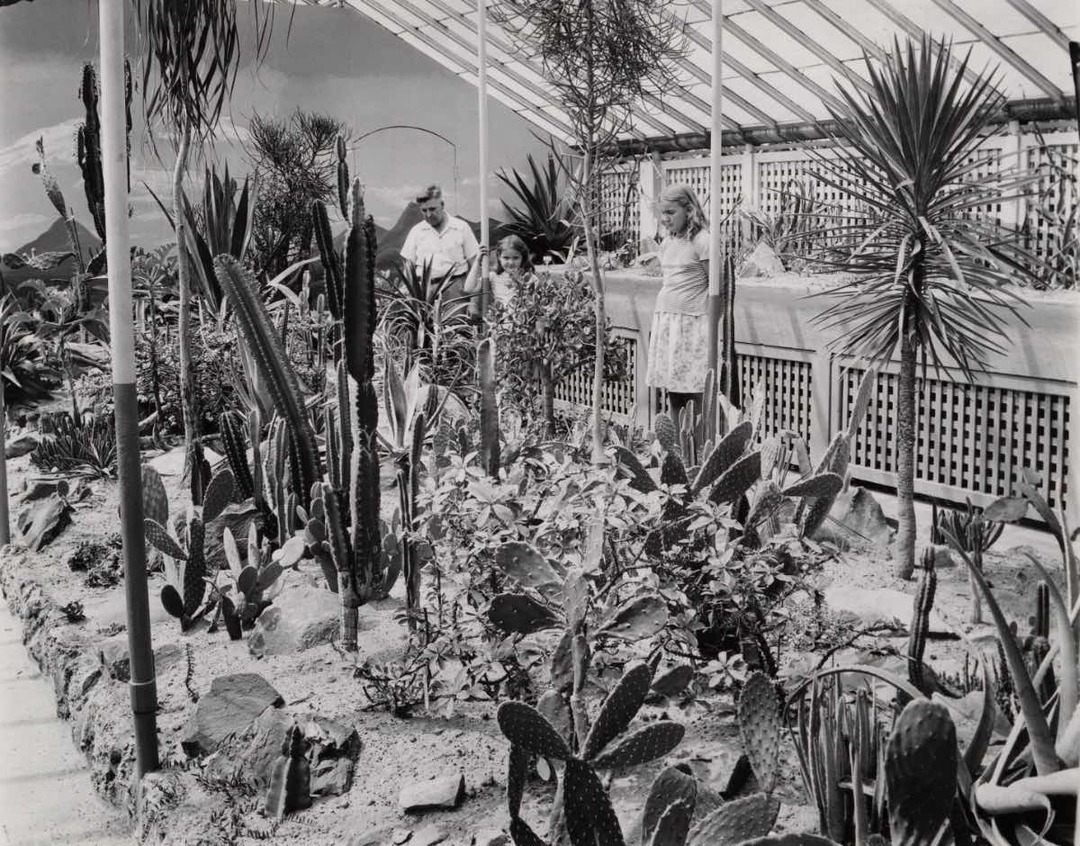
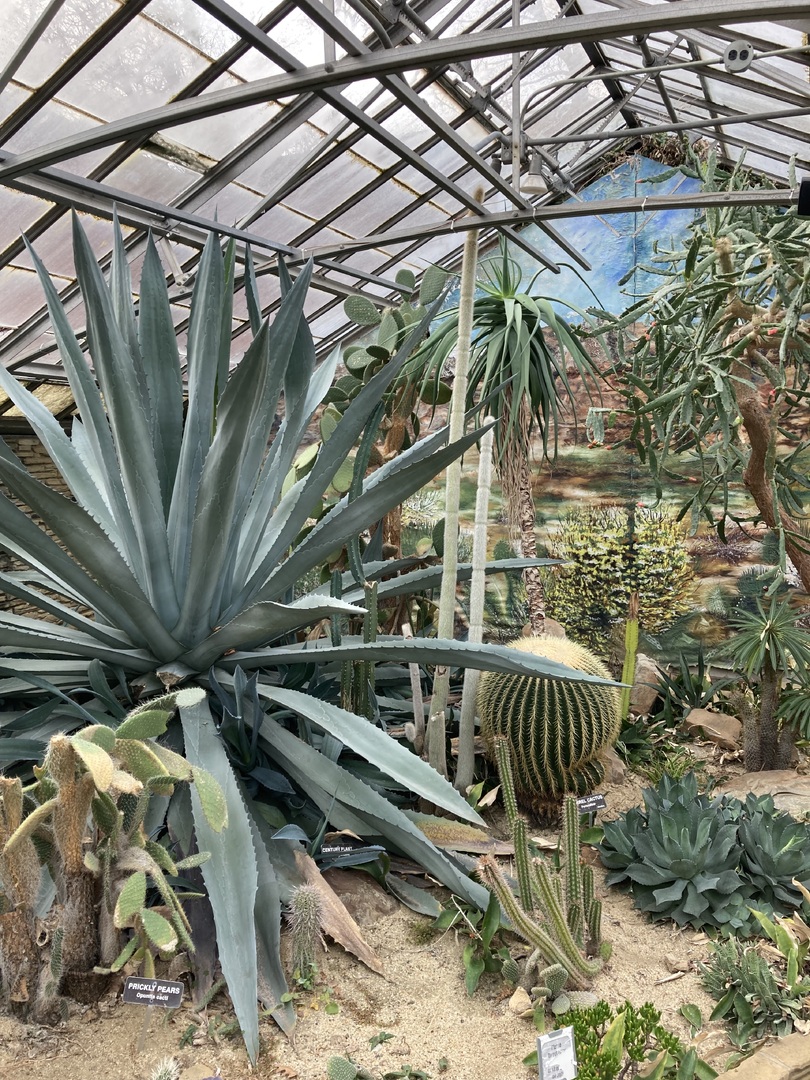
After World War II, City Greenhouse, as it was then known, unveiled periodic improvements. In 1946, the greenhouse’s new cacti exhibit opened, its specimens backed by a painted desert scene in the fashion of a diorama. In addition to continuing to serve as a prominent destination for garden clubs and other groups, City Greenhouse also furnished tropical plants for special events, notably a New Orleans French Quarter–themed display for the 1956 Cleveland Home and Flower Show in Public Auditorium.
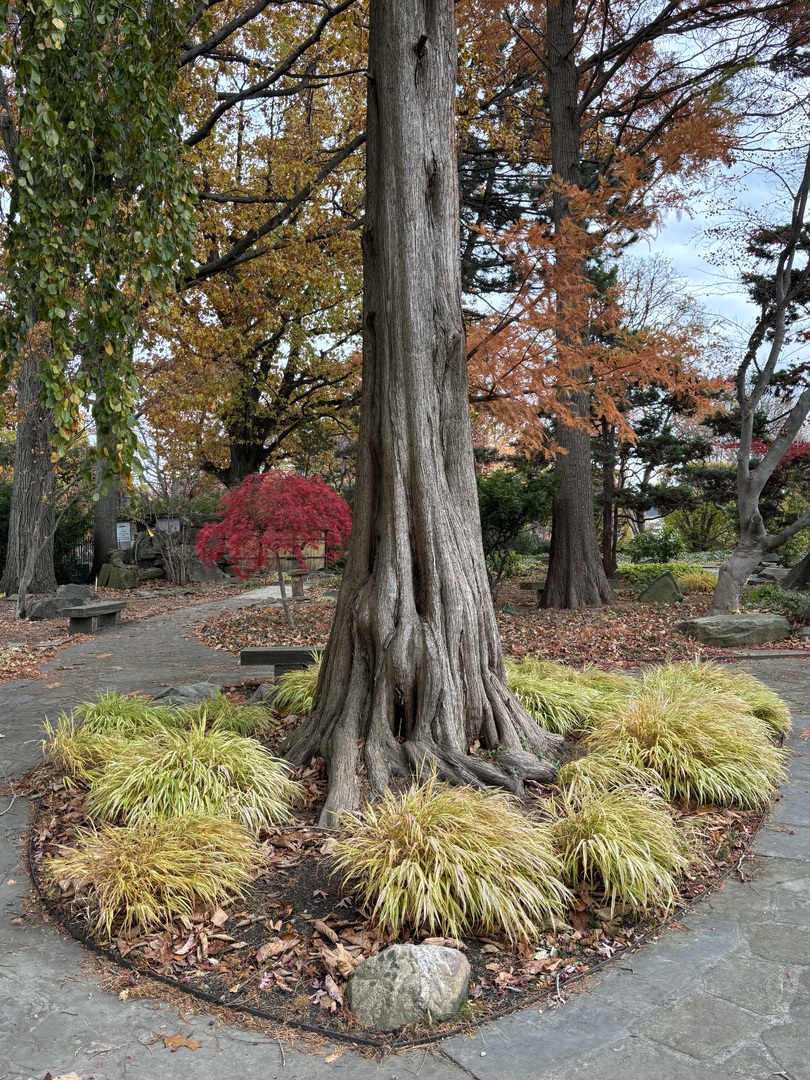
In 1962, the Leonard C. Hanna Fund gave $300,000 to improve and expand City Greenhouse. The gift funded a new entrance building and a Japanese Garden, completed in 1964, at which time the facility began to be known as Rockefeller Park Greenhouse. Unfortunately, in the following decade the facility began to suffer a dwindling city budget that accompanied Cleveland’s steepening population decline. By 1980, the city briefly contemplated closing the greenhouse before deciding against it. Then, in 1991, the Friends of Greenhouse, a nonprofit, formed to raise funds to place the facility on a firmer footing and use it to host special events. Later additions included the Betty Ott Talking Garden with its statue of Helen Keller and the Willott Iris Garden, in which hundreds of varieties of iris bloom each spring and summer.
Today the Rockefeller Park Greenhouse remains, as it has for more than a century, a place of welcome respite from the winter cold and arguably one of the city’s best free attractions in Cleveland.
Images