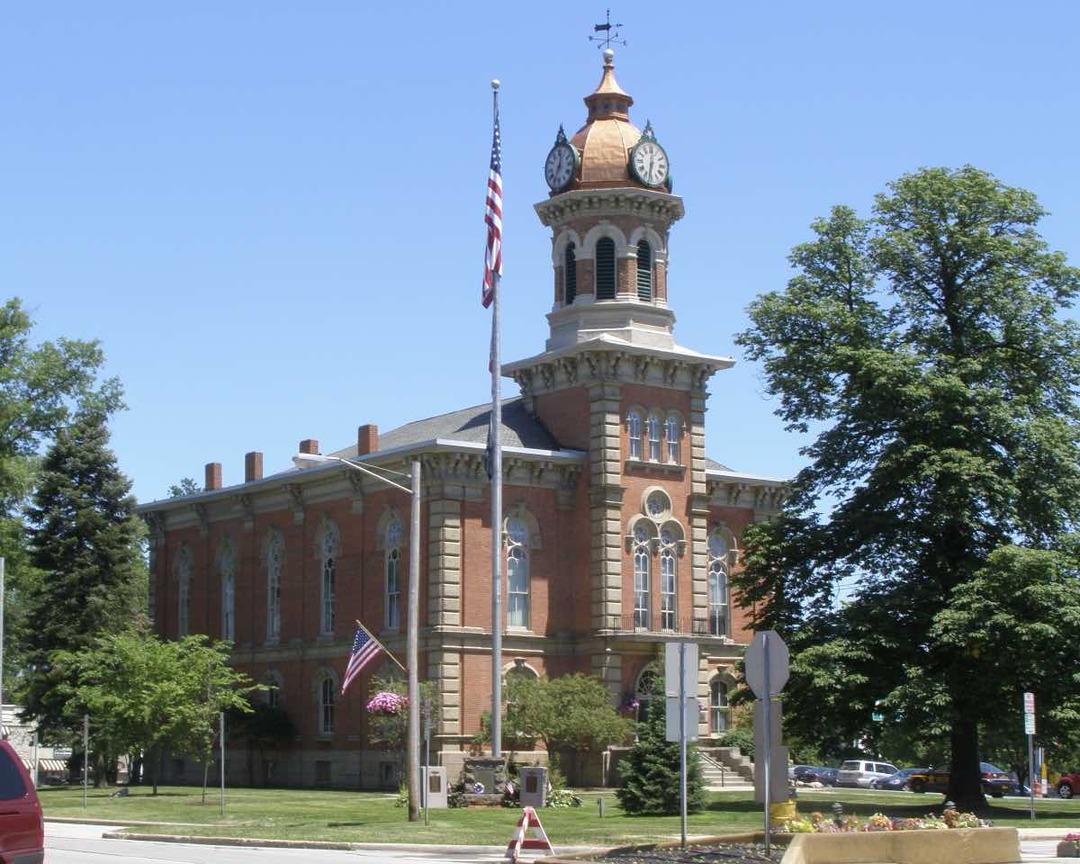

Resilience, perseverance, and dedication to history drive Chardon residents to continue improving their beloved courthouse, which has served as the seat of governance for Geauga County since 1805.
Chardon’s early planning began with Peter Chardon Brooks, a wealthy Boston merchant who acquired land from the Connecticut Land Company in 1798. He offered the land to settlers with the only stipulation being to name it Chardon. The commissioners accepted this proposal in 1808. Before Chardon could be settled, one matter of prerequisite importance had to be addressed – the establishment of a permanent seat of justice for the Geauga County. The commissioners of the county's Common Pleas Court then assigned Samuel W. Phelps to purchase and lay out land for this purpose. Reflecting New England ideals of structure and order, in 1808, the first building to be erected in Chardon was a courthouse.
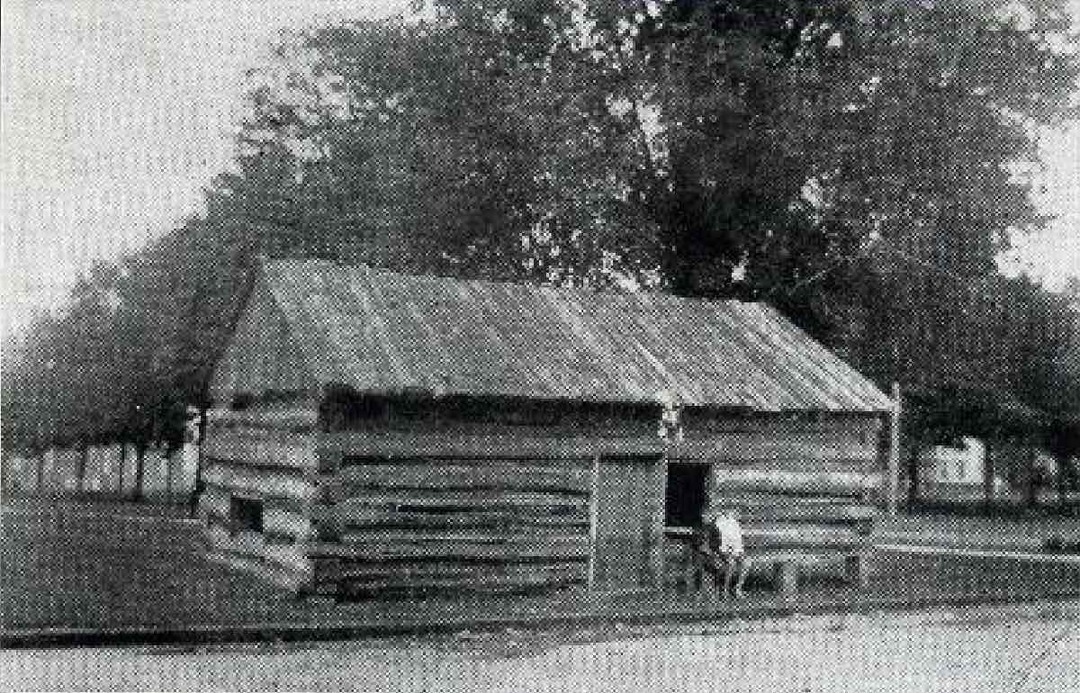
Reflecting the realities of frontier life, however, this first “courthouse” was little more than a repurposed log cabin, originally built by Abraham Skinner for Captain Edward Paine Jr. and his family. The one-room building was primitive, with a single door and window, a basic fireplace and chimney, and wide, rough boards for flooring. It also served as a temporary jail. It had a large, split log that functioned as a seat for the judges and a single large table providing a desk for the lawyers. Realizing that the log cabin had served its temporary functions, the time came for a larger courthouse.
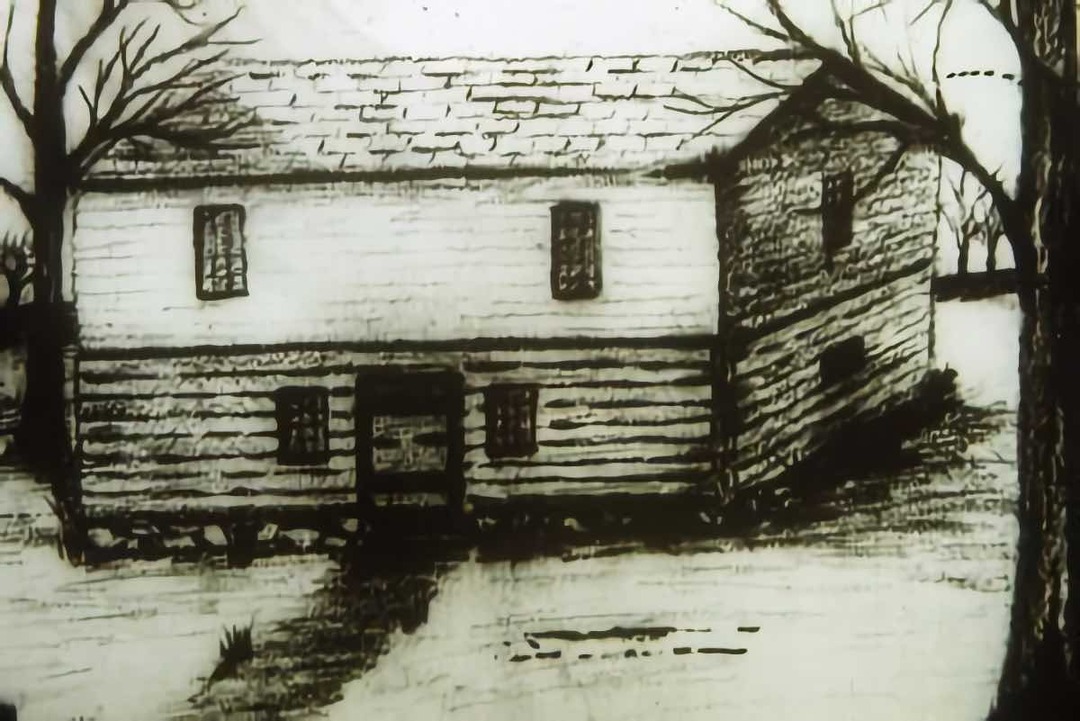
In 1813, Samuel King was contracted to build the second courthouse where the fire station currently stands on the square. It was built of rugged timber and had two floors. The first floor housed one cell as a temporary jail, and the second floor was the courtroom. The courthouse had multiple additional functions as Chardon was being built up. It also served as a meeting hall for political, religious, and social gatherings, as well as providing a school room for the few children who lived in Chardon.
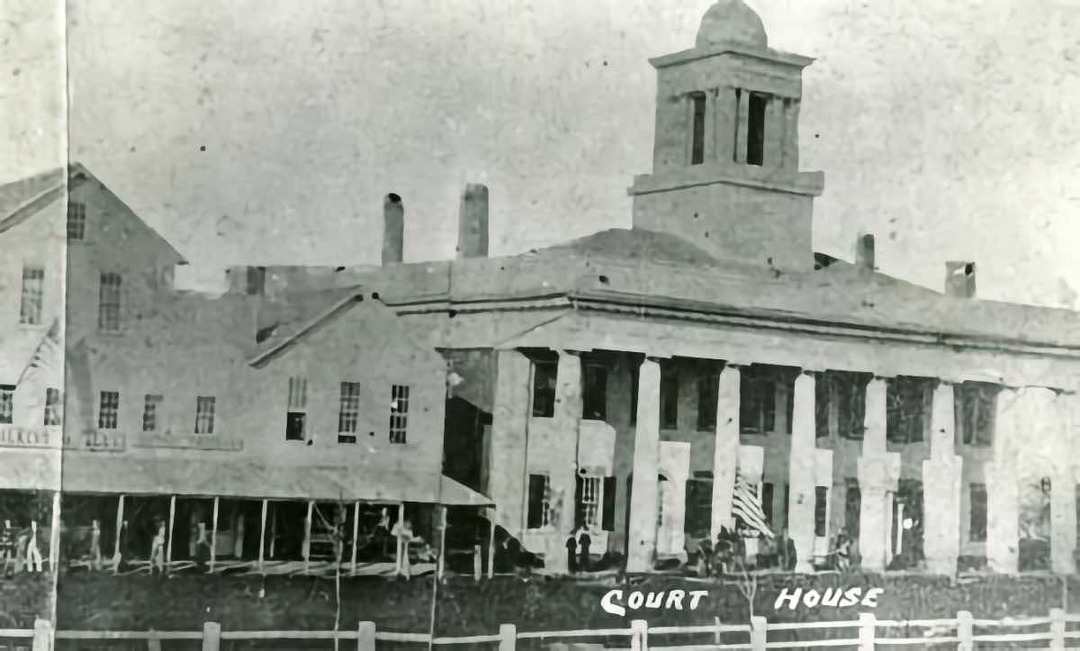
By 1824, village leaders realized that Chardon needed better quarters for the county offices. The county allotted funds to build the southern half of the third courthouse, which also served as a jail. It was not until 1829 that the northern half of the courthouse was completed. Built of bricks in Greek Revival style, this two-story building featured large columns on the front portico. Its increased architectural sophistication mirrored the growing wealth of the county and its businesses. Unfortunately, this courthouse was not to last.
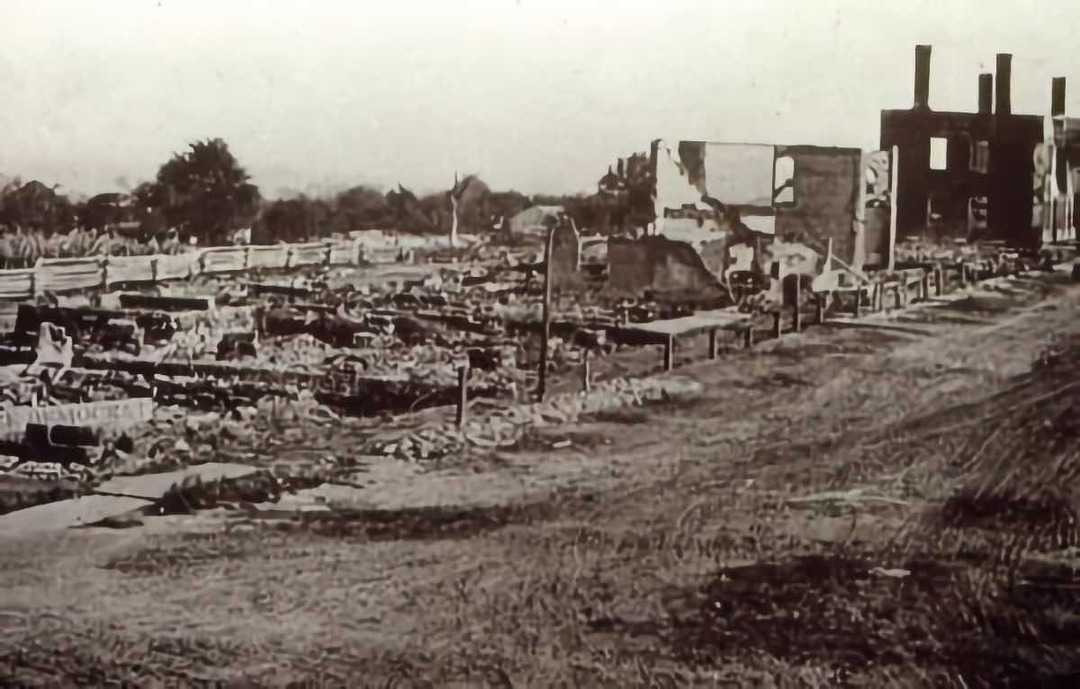
On July 25, 1868, the Cleveland Plain Dealer reported terrible news: “the whole business portion of Chardon, including the courthouse and jail, were burned last night.” The damage was not only material, estimated at the then-enormous sum of $100,000, but also functional; the loss of the official county buildings cast uncertainty of Chardon’s future as the county seat.
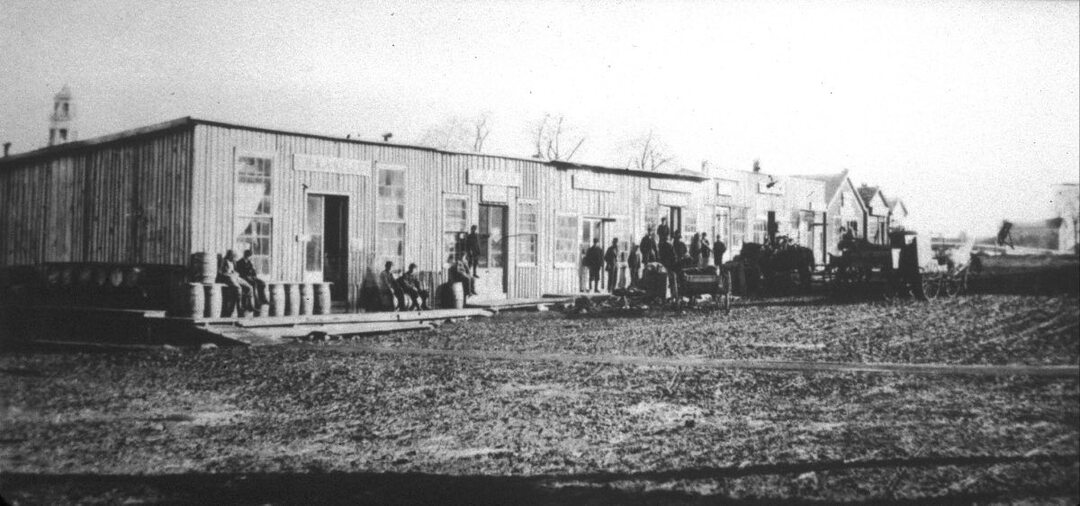
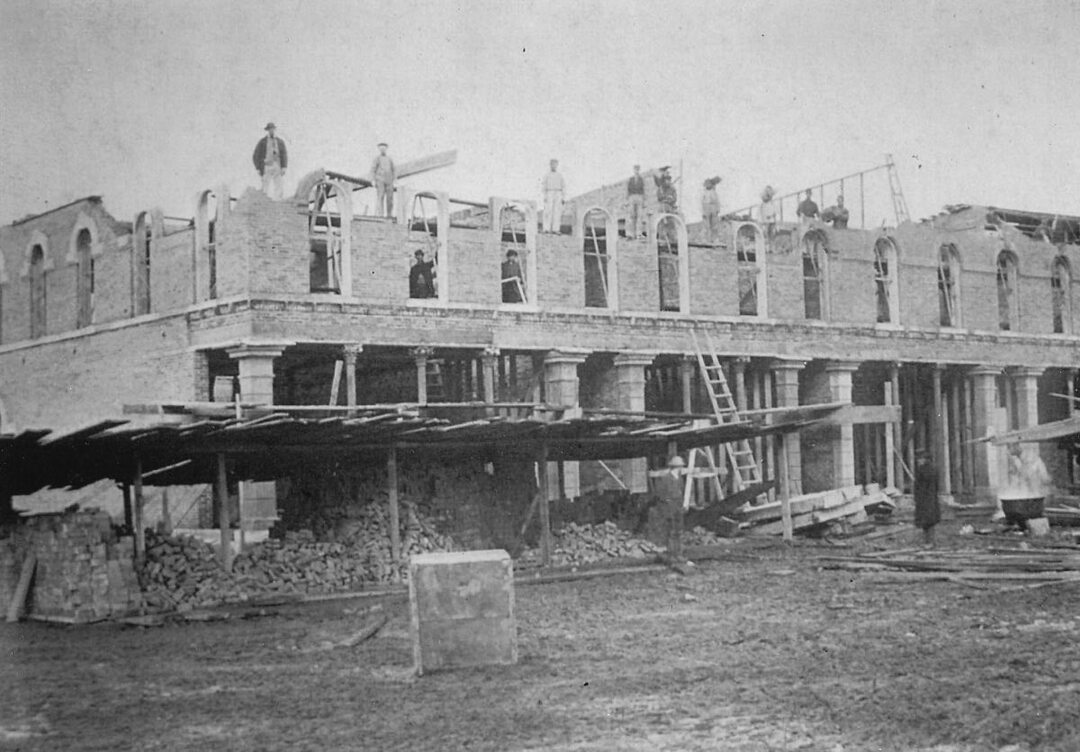
After the fire, Chardon's citizens refused to give up. The county quickly issued a contract to Messrs, Herrick & Simmonds of Cleveland to rebuild the business district and courthouse. A newspaper article from December 4, 1868, reported on the rebuilding of Chardon: “When the improvements are completed, Chardon will become one of the handsomest villages in the State.” Another newspaper article from January 29, 1869, raved about “Chardon rising from her ashes. A disaster transformed into a blessing.” By this time, six months after the disaster, Chardon had already established a building committee, secured funding, and had built Union Block (now Main Street) on the former ruins, as well as the Randall Block (now South Hambden Street), a new section that expanded the business district around the square. The highlight of rebuilding was the courthouse, now located at the head of the public square.
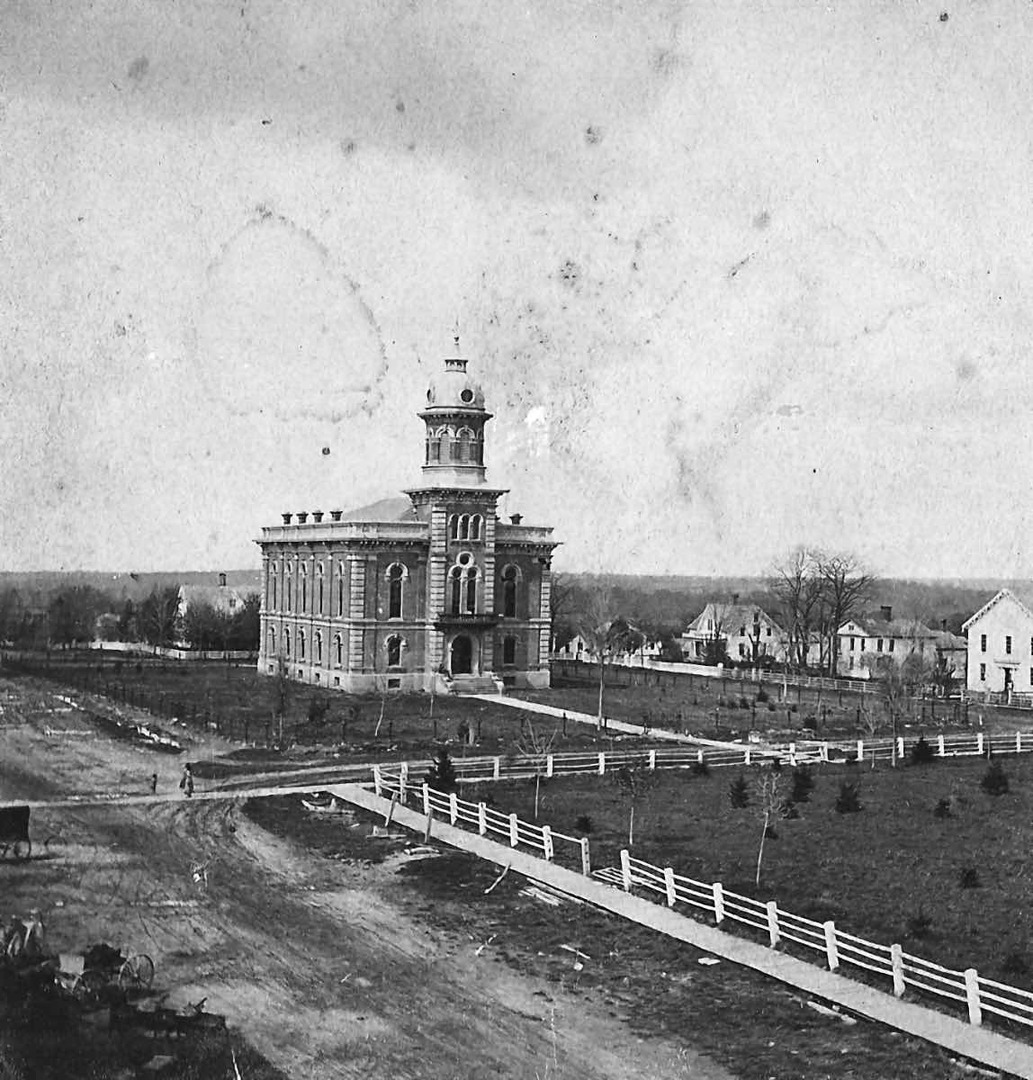
Unlike its predecessors, the architecturally picturesque fourth Geauga County Courthouse, with its octagonal steeple and interestingly designed windows, endures. Faced with brick and stone trim, the North Italianate building cost $88,862. The courthouse and the two blocks of storefronts to its west form a historic district listed on the National Register of Historic Places. The square tower, detailed cupulas, and dome give this building its distinctive look. The dome roof with clock faces on four sides and its weathervane are the crowning features. Chardon had built a courthouse to match the prestige of the town and its importance in Geauga County.
In 2020, city officials began to discuss the need to expand the courthouse. The county's judiciary had outgrown the building, which needed not only structural renovations but also technological upgrades, especially to security features. More than a century and a quarter after the current courthouse was built, Chardon residents remained protective of their historic buildings. Originally, when it was proposed for the courthouse to get an addition, residents and the Chardon Square Association sent letters opposing the expansion. County Commissioner Janet Novak acknowledged that the community had “strong feelings” about historic Chardon Square and that “any change to the square was a sensitive subject.” These concerns delayed the expansion project for years.
In 2023, city officials and Chardon residents finally reached an agreement on the expansion. As the project neared completion in 2025, Commissioner James Dvorak, a retired Chardon bricklayer and stonemason, applauded city leaders’ willingness to prioritize the historic preservation of a building whose “Italianate arches and towers have defined Chardon Square for more than 150 years,” which meant that the addition to the courthouse had to blend with the existing structure. Dvorak noted that. the county returned to the same Cleveland-area quarry used in the 19th century to source Berea sandstone to ensure that the expansion matched the original. The latest addition to the Geauga County courthouse shows how much history means to the residents of Chardon.
As Chardon grows, residents still treasure its historical atmosphere. A newspaper article from 1902 boasted of “Chardon, typical New England village. Ideal place to live. Good churches, good schools, good water, and good air.” This statement still holds true well over a century later. People move to Chardon because it is safe, beautiful, and a good place to settle with children. This is true of Chardon because of the resilience, perseverance, and good nature of the people that have lived here since its founding in 1805. Chardon has been strong for a couple hundred years, and at the pace it's going, it will remain strong into the future.
Images