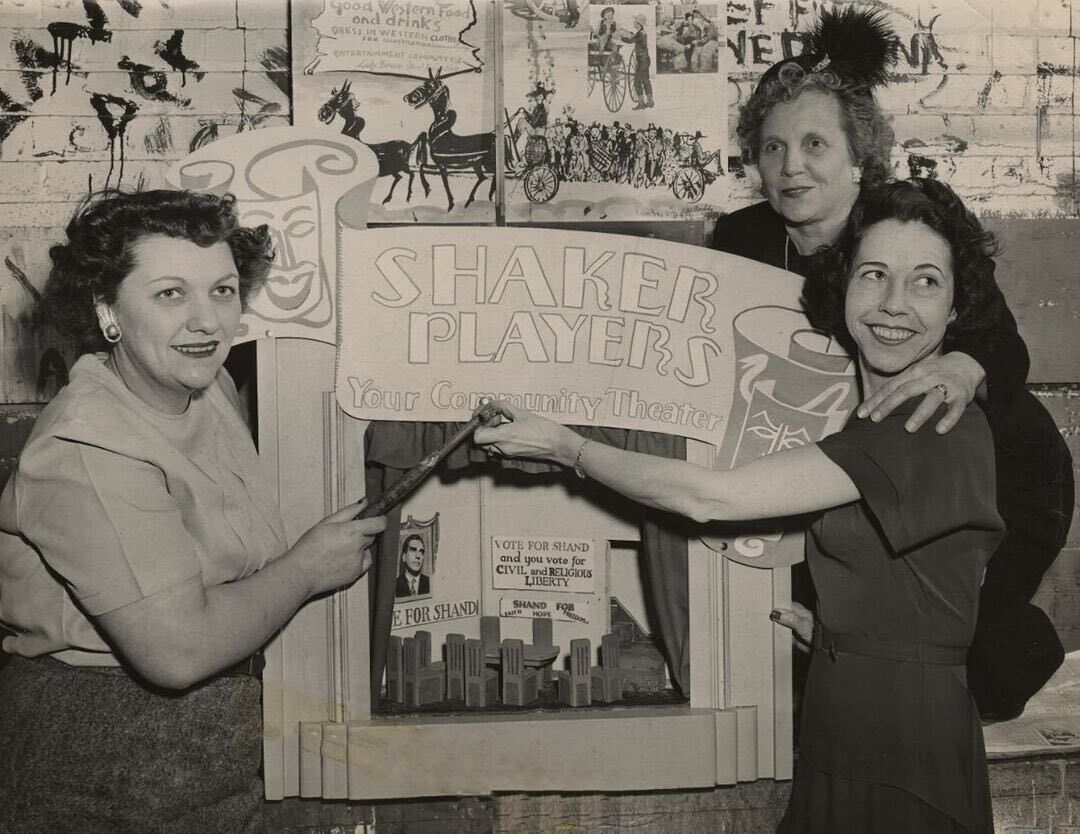
Community theater has long been a hallmark of American civic life, offering ordinary people the opportunity to create extraordinary art together. Few local institutions embody this spirit as fully as The Shaker Players, a theater group rooted in Shaker Heights, Ohio. From their humble founding in 1919, the Shaker Players evolved into one of the oldest community theaters in Northeast Ohio, leaving an indelible mark on the region’s cultural landscape. Their story is one of tradition, collaboration, and a devotion to keeping theater accessible to all.
The Shaker Players trace their origins to Plymouth Church in Shaker Heights. In 1919, a small group of young church members organized a play to raise funds for a new church building. They could hardly have known that this modest effort would grow into a community theater organization lasting for decades. From the start, the group drew on a wide cross-section of Shaker Heights residents. Business leaders, educators, and civic figures participated both onstage and behind the scenes, ensuring the theater was both artistically vibrant and socially embedded.
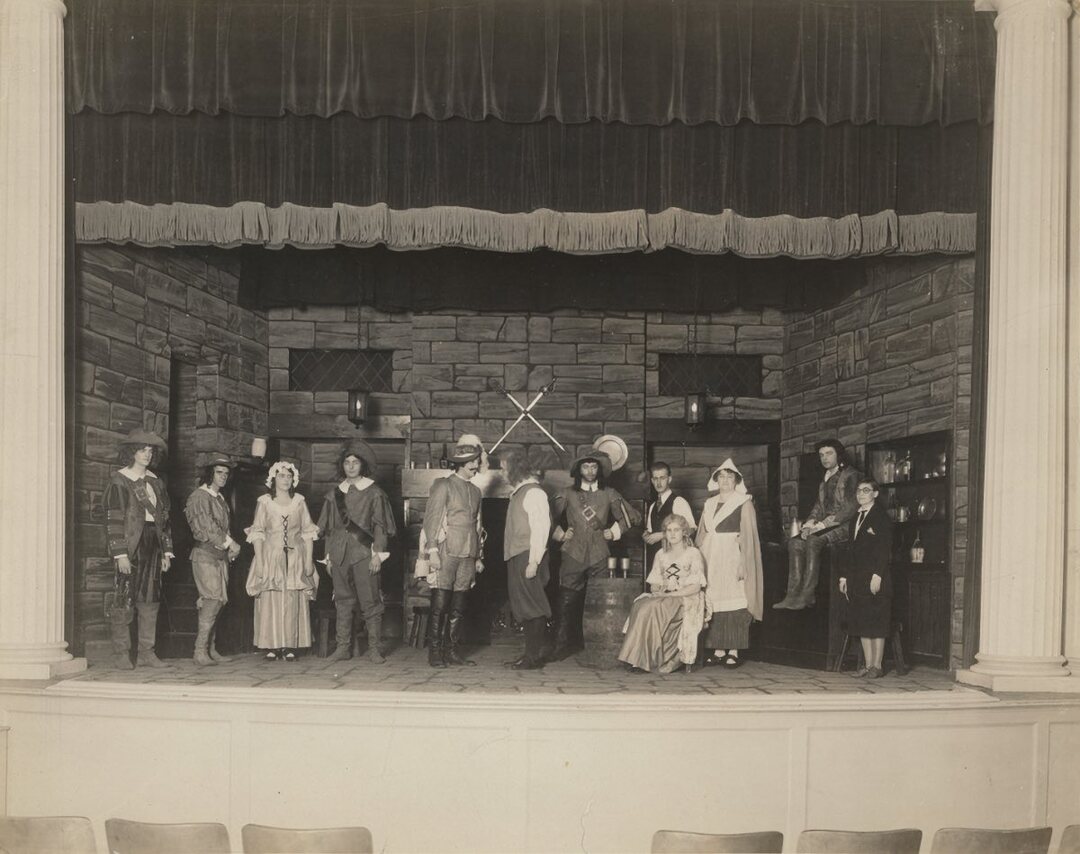
The troupe originally called themselves the Shaker Village Players, reflecting their role as a grassroots community project. Their first productions demonstrated a commitment not just to entertainment but also to strengthening the civic bonds of Shaker Heights during its formative years as a suburb. By the 1920s and 30s, the Players had become a fixture of Shaker Heights life. Their productions were staged with professionalism that belied their “non-professional” label, leading the group to be recognized as the oldest non-professional theater company in the region.
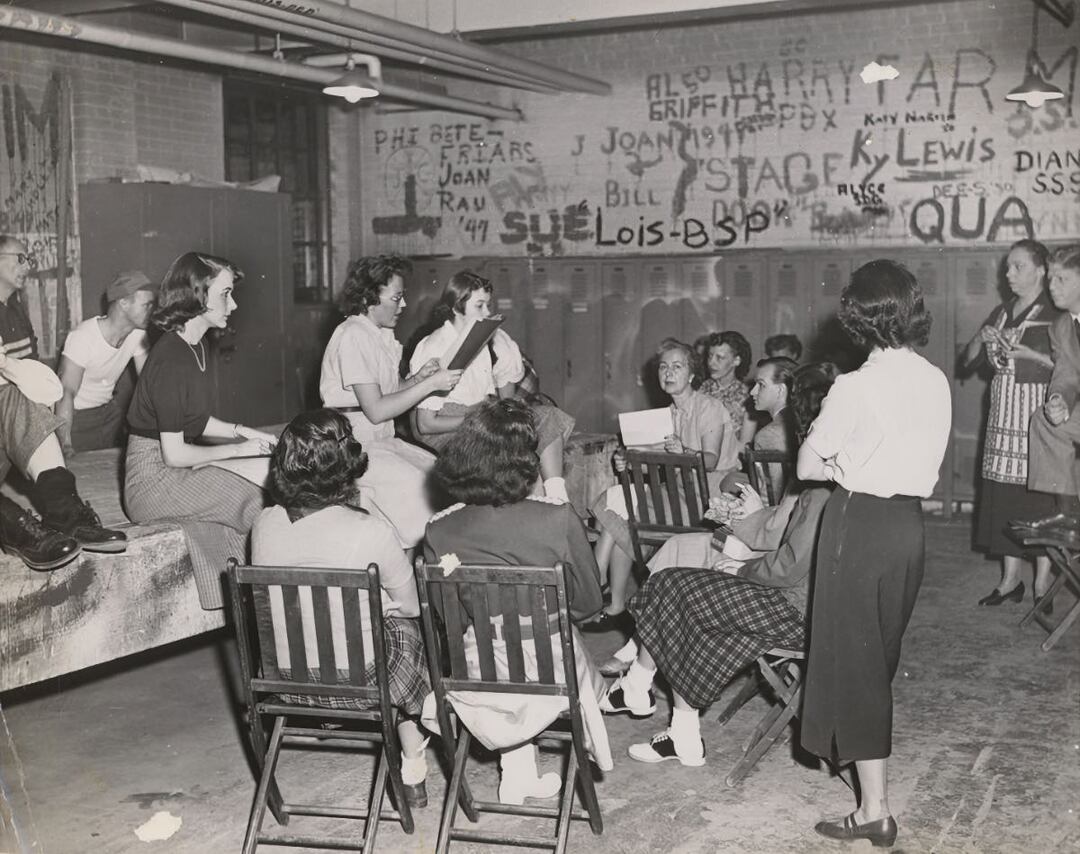
Part of their longevity came from a strong set of traditions that reinforced the sense of family within the company. One such tradition was the Women’s Committee's potluck supper on the Sunday before opening night, where the cast and crew shared food and camaraderie. After the final curtain, the group held a celebratory Saturday night party, a chance to reflect on weeks of hard work. Regular meetings were also held on the second Tuesday of every month in the Shaker Heights High School auditorium, further cementing the rhythm of the group’s activities. These rituals gave the Players stability and continuity. They also reflected the communal ethos of Shaker Heights itself, which valued civic responsibility, social cohesion, and the arts as a marker of local identity.
From the beginning, the Shaker Players benefited from strong organizational leadership. Founders like Rachel Cochran guided the group in its earliest years, while later directors and committee members ensured continuity through decades of change. Many of those involved were prominent members of the Shaker Heights community, which lent credibility and stability to the organization.
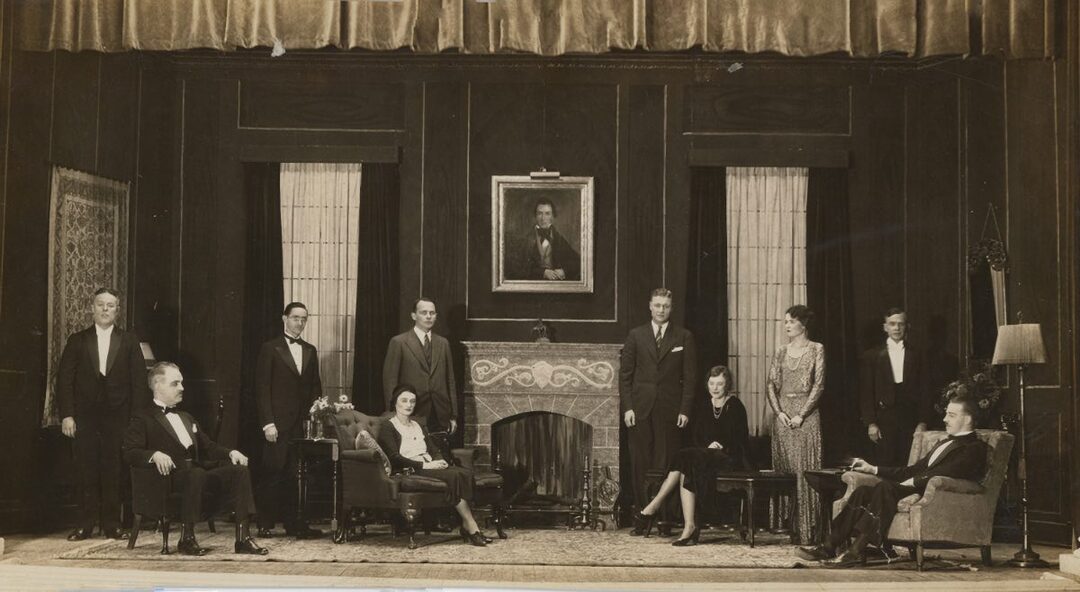
Over the decades, the Shaker Players staged an impressive repertoire, ranging from classics to contemporary works. Productions like "Death Takes a Holiday" brought dramatic flair to local stages, while lighter fare ensured broad audience appeal. Their shows regularly drew coverage in the local press, including the Cleveland Press, the Sun Press, and the Plain Dealer, highlighting their visibility within Cleveland’s cultural community.
The group marked major milestones with special celebrations. In 1958, Dorothy R. Davis, the president of The Shaker Players at the time, commemorated their 40th anniversary, noting the group’s origins in 1919 and crediting Mrs. William (Rachel) Cochran, one of the founding members—for her early leadership. This recognition reinforced the Players’ reputation as a pioneering community theater. Five years later, in 1963–64, the company curated a historical exhibit titled “The Age of the Stage” to honor their 45th anniversary. This exhibit highlighted their history and underscored how deeply interwoven the Players were with the life of Shaker Heights.
The Shaker Players’ impact extended well beyond their productions. Their activities fostered community spirit, provided affordable entertainment, and gave local residents the chance to participate in the arts. For many, this was their first exposure to theater whether as an actor, stagehand, or audience member. By establishing themselves as a regular part of civic life, the Players helped shape Shaker Heights’ reputation as a suburb committed to culture and community. In this way, the group paralleled larger national trends in which community theaters blossomed after World War I, fueled by a desire to democratize access to the performing arts. Like all volunteer organizations, the Shaker Players faced challenges. Maintaining membership, funding, and audience interest required constant effort. Yet the group’s longevity speaks to their resilience.
Their history also reflects broader patterns in American suburban culture. The postwar years, particularly the late 1950s and early 1960s, saw a flourishing of civic organizations. For the Shaker Players, this meant greater visibility through media coverage and larger audiences as the suburb grew. At the same time, pressures of suburbanization, shifting leisure habits, and increased competition from professional theaters and television made sustaining community theater more difficult.
In 1964, The Shaker Players announced that they would be leaving their long-time home at The Shaker Heights High School auditorium. Press releases distributed during the closing of their 45th season indicated they were searching for a new venue, expressing optimism about the future. However, in May of that year, their final press release stated, "for its final production at Shaker Heights High School, after 45 years, Shaker Players will cast off with robust Cole Porter musical, 'Anything Goes.'" After their last bow behind the footlights, The Shaker Players faded from the public eye, never finding a new place to call home.
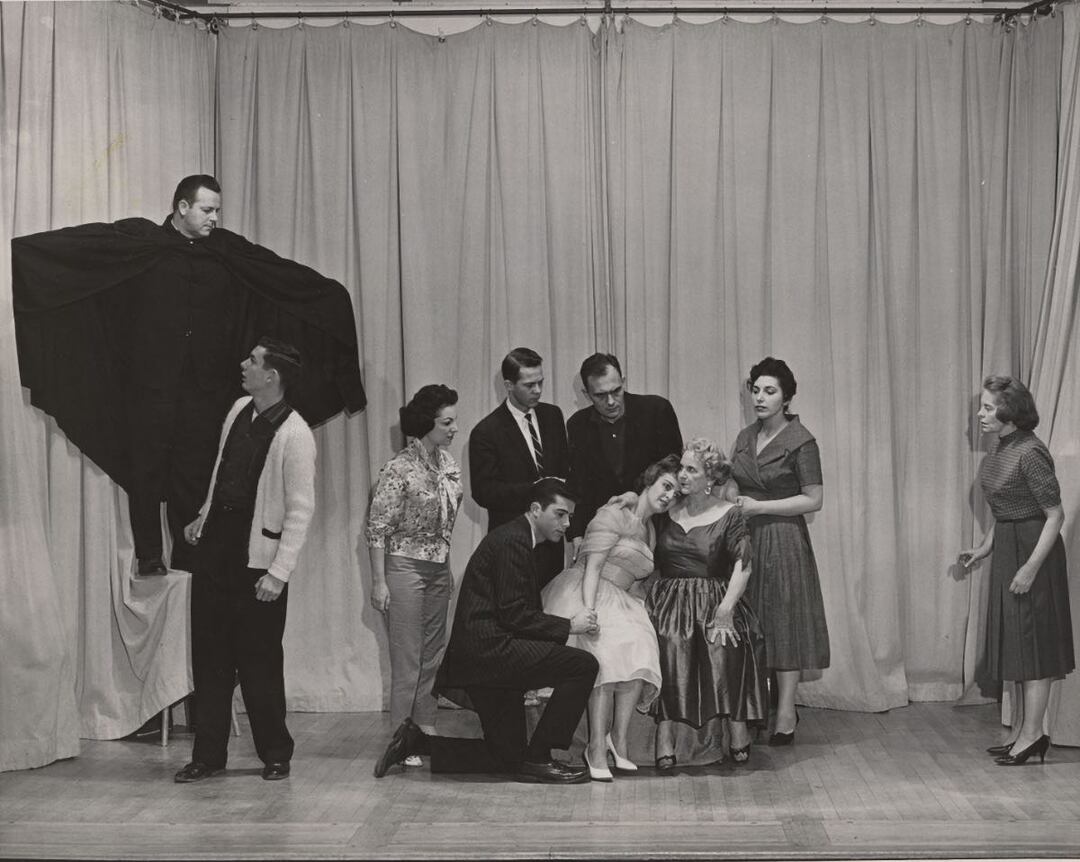
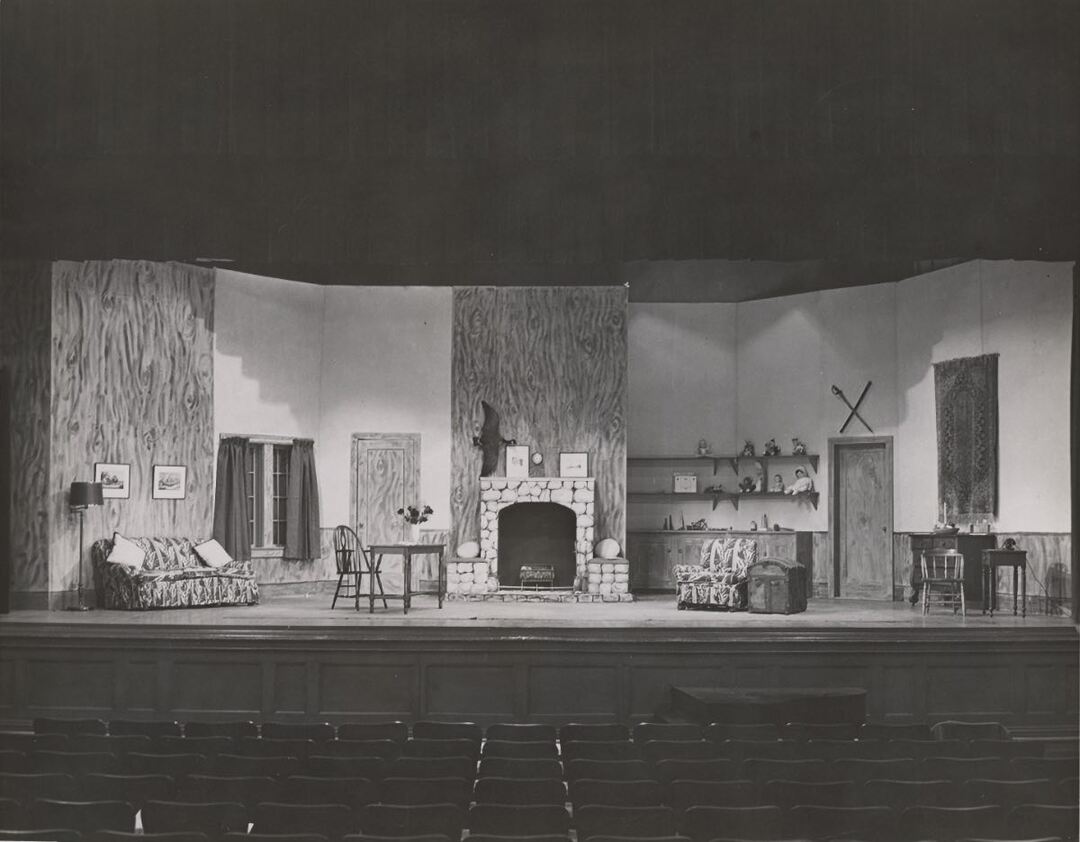
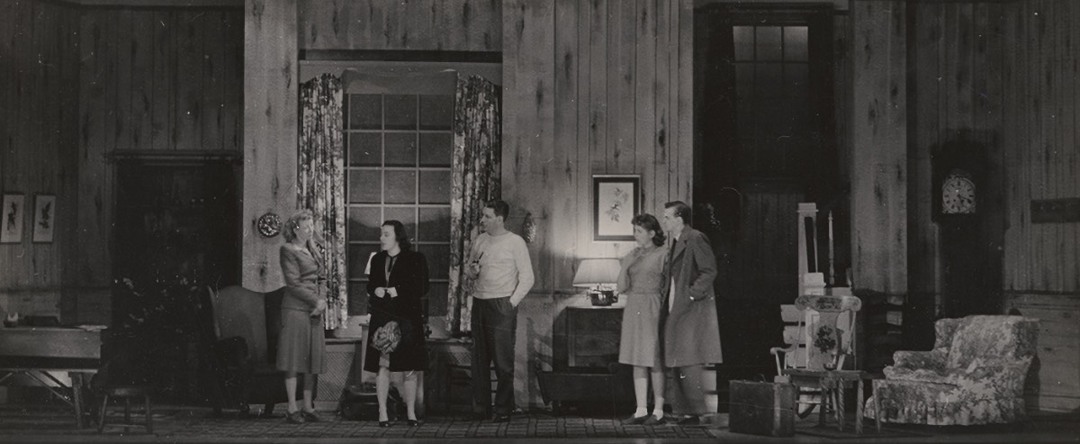
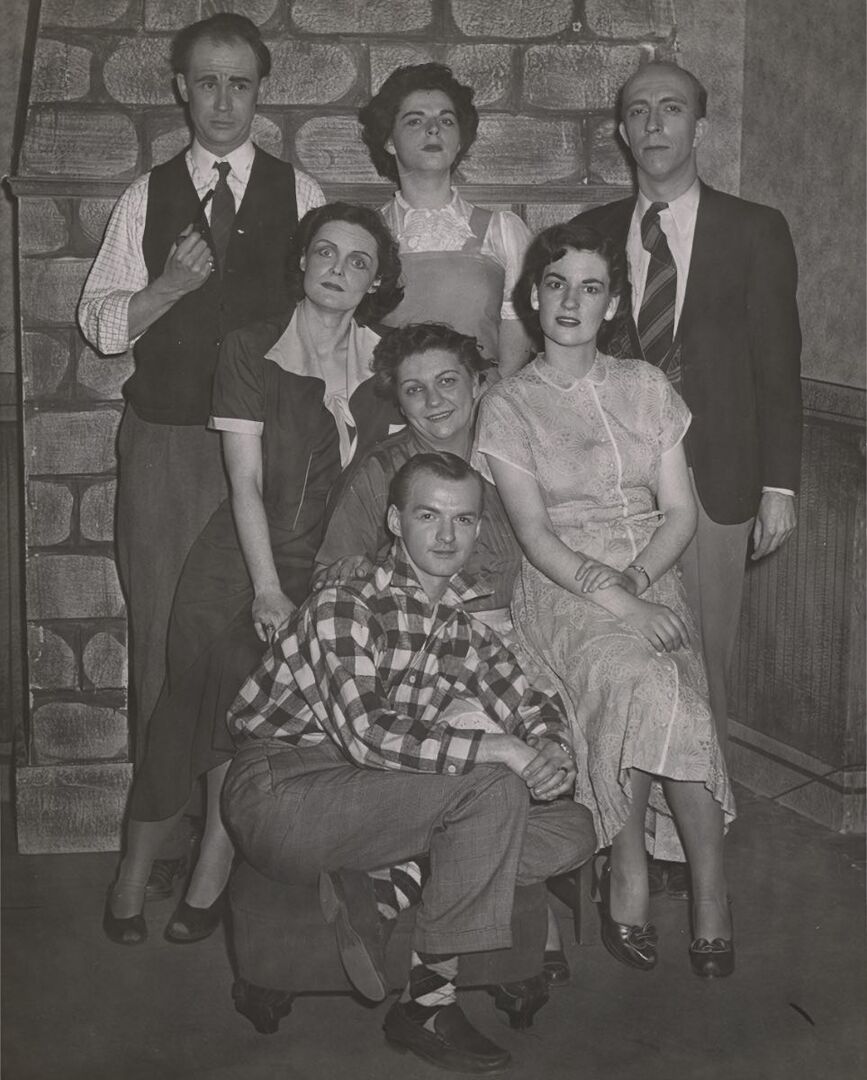
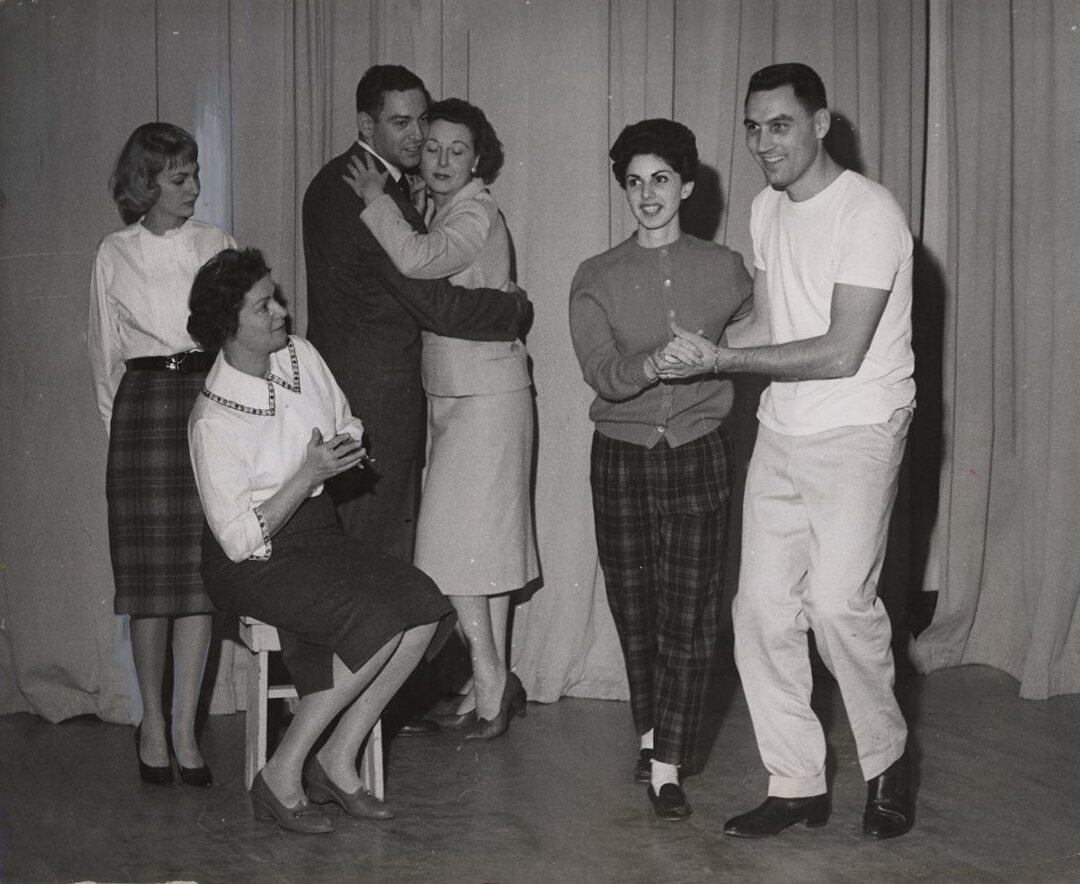
The Shaker Players hold a unique place in the history of Shaker Heights and the broader Cleveland region. Their longevity made them one of the oldest community theaters in Northeast Ohio, and their traditions, productions, and celebrations illustrate the power of theater to strengthen civic identity. Archival traces, such as photographs of productions like "The Whole World Over," newspaper articles, and the preserved memories of their members, allow us to reconstruct their vibrant history. These materials, particularly those preserved in collections like that of Dorothy R. Davis, provide invaluable insights into how local communities used theater to express themselves, celebrate milestones, and create lasting traditions.
Today, remembering the Shaker Players offers more than nostalgia. It highlights the enduring importance of community arts organizations in shaping civic culture. Just as their founders intended back in 1919, theater became not only a means of raising funds or providing entertainment but also a way of building connections among neighbors. From their beginnings as a church fundraiser to their recognition as a cornerstone of community life, the Shaker Players exemplify the vitality of grassroots theater in America. Their story is filled with dedicated volunteers, creative productions, and cherished traditions that spanned decades. While the Players may no longer be active today, their history remains a vital chapter in Shaker Heights’ cultural narrative. They demonstrated how theater, when rooted in community, can thrive for generations and leave behind a legacy that continues to inspire.
Images