Landmark Office Towers
The Professional and Corporate Heart of the Terminal Group
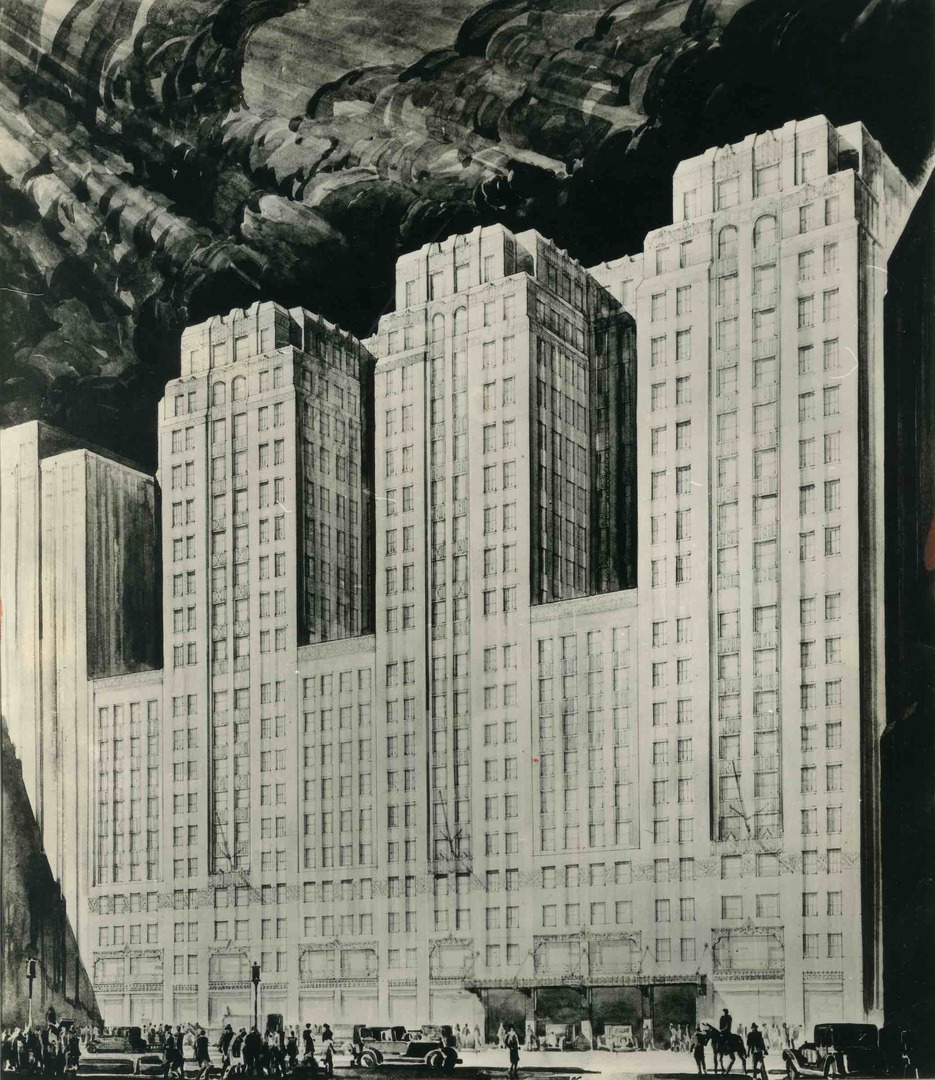
Tower City Center, with its Public Square entrance, iconic tower, and flanking hotel and casino, has long overshadowed the office buildings to its rear despite their shared lineage as heirs of the Van Sweringen brothers’ vision. Yet the Landmark Office Towers complex on West Prospect Avenue deserves more attention for its splendid architectural details, novel interior features, and place in the history of some of Cleveland’s most significant corporate giants.
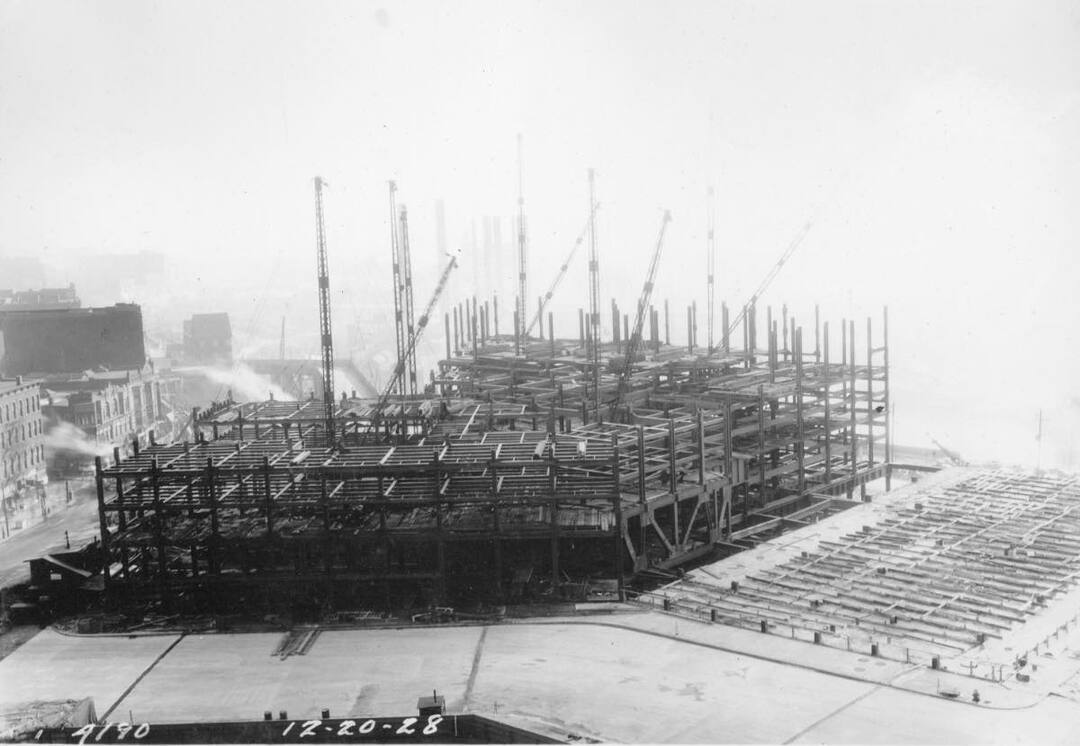
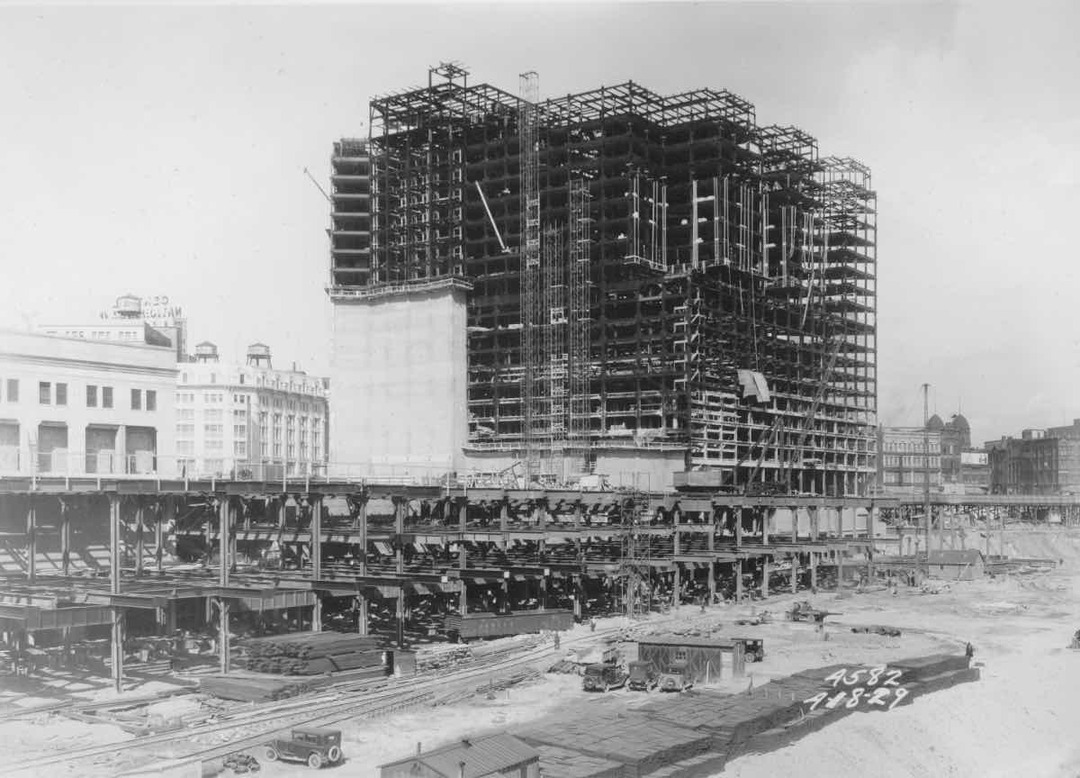
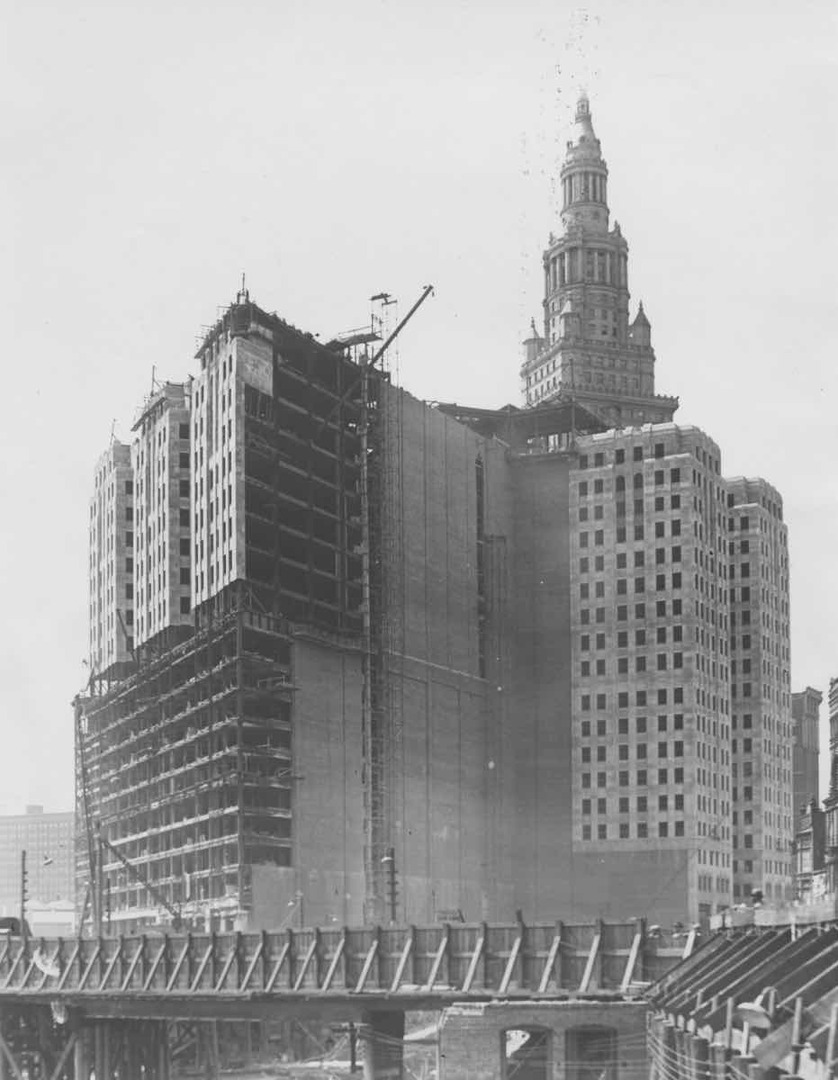
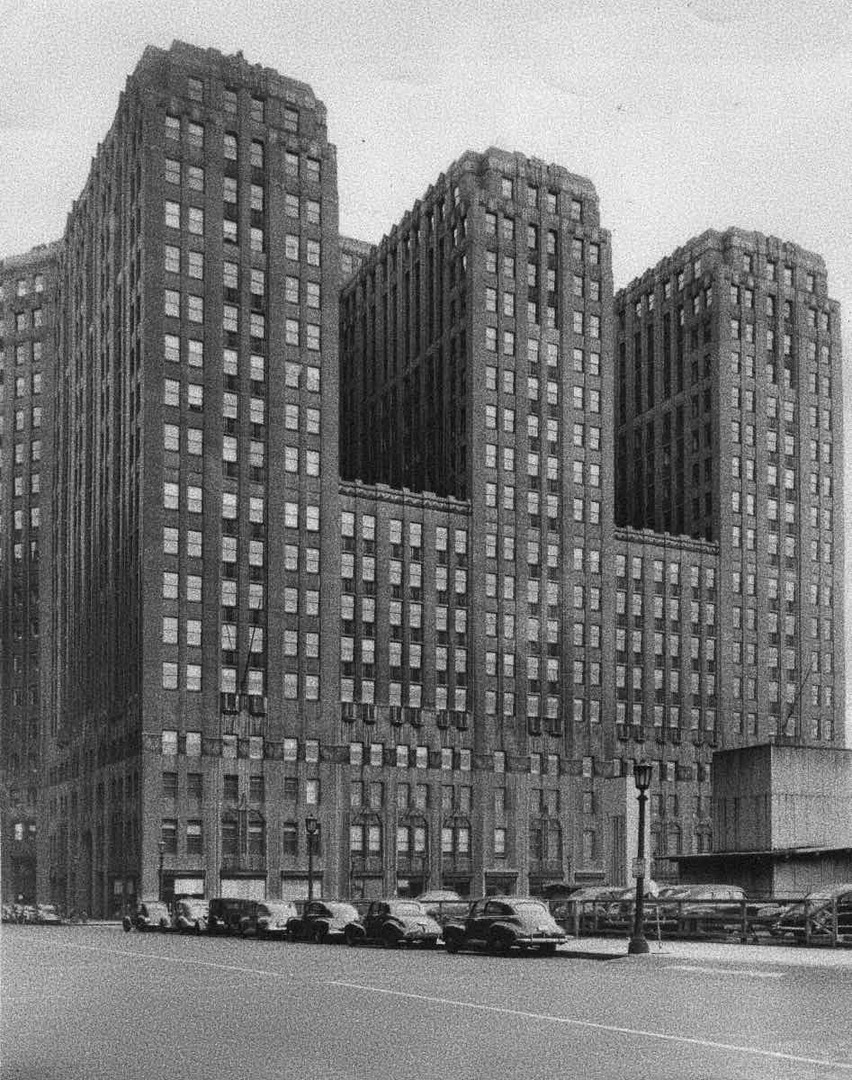
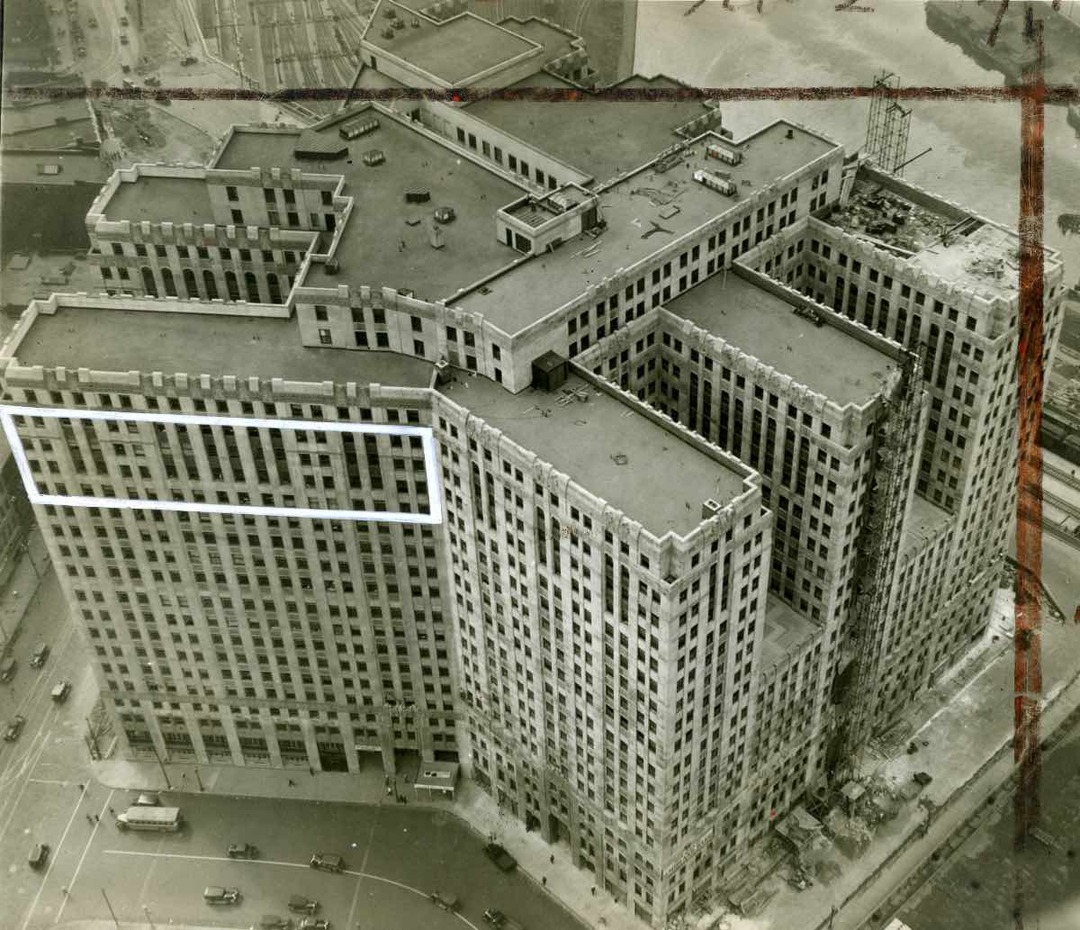
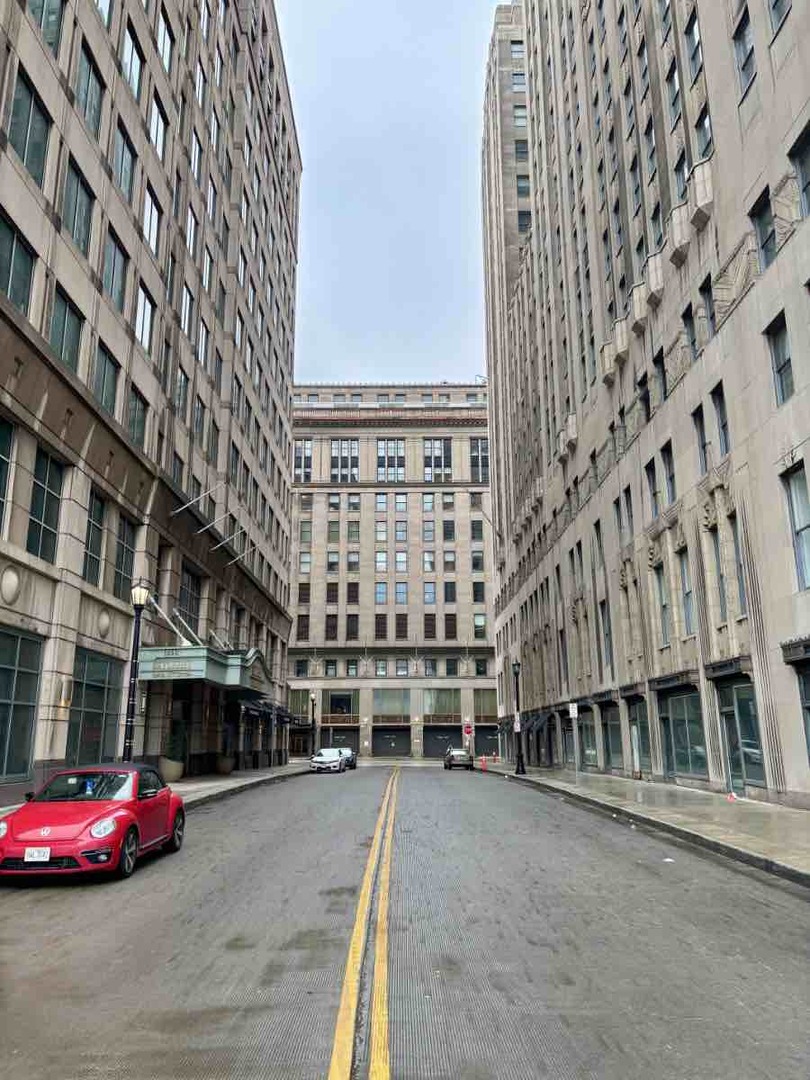
The three adjoining buildings that comprise Landmark Office Towers were originally conceived as part of Oris P. and Mantis J. Van Sweringen’s Cleveland Union Terminal complex, the “city within a city” the brothers launched in the 1920s. Designed by Graham, Anderson, Probst & White of Chicago and built between 1929 and 1930, the buildings occupied an entire city block bounded by Prospect Avenue, Huron Road, Ontario Street, and West 2nd Street, all of which were built as viaducts above the railroad tracks entering the Union Terminal.
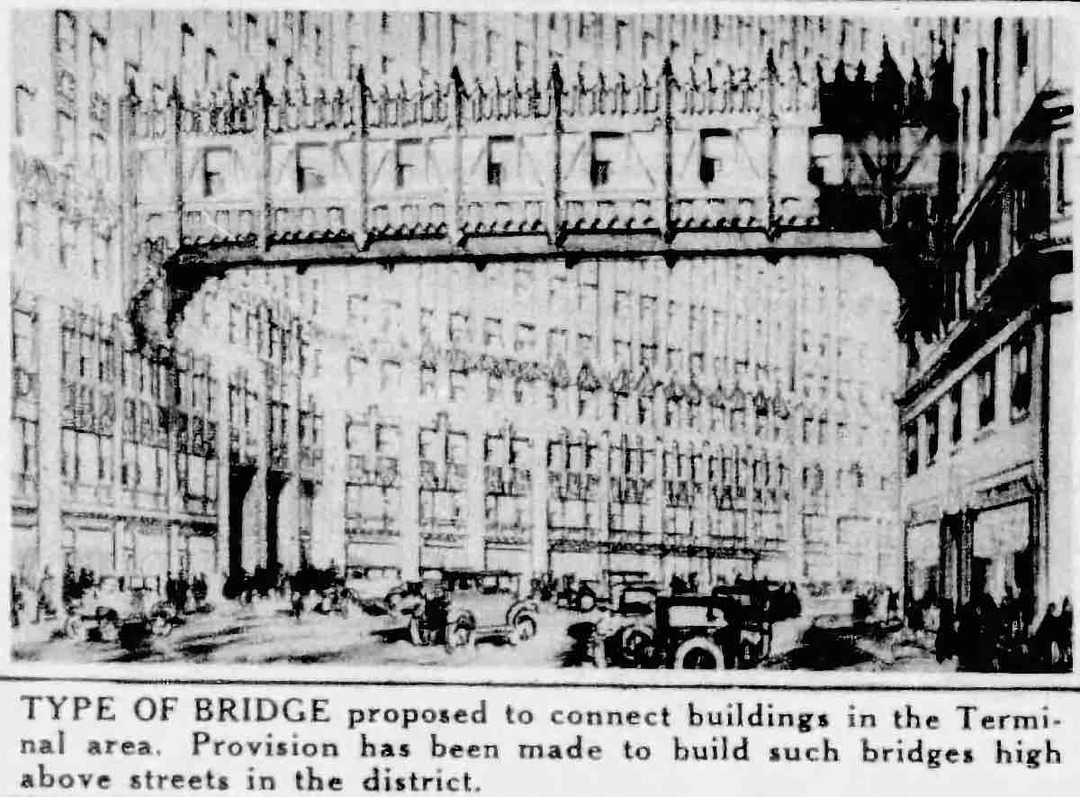
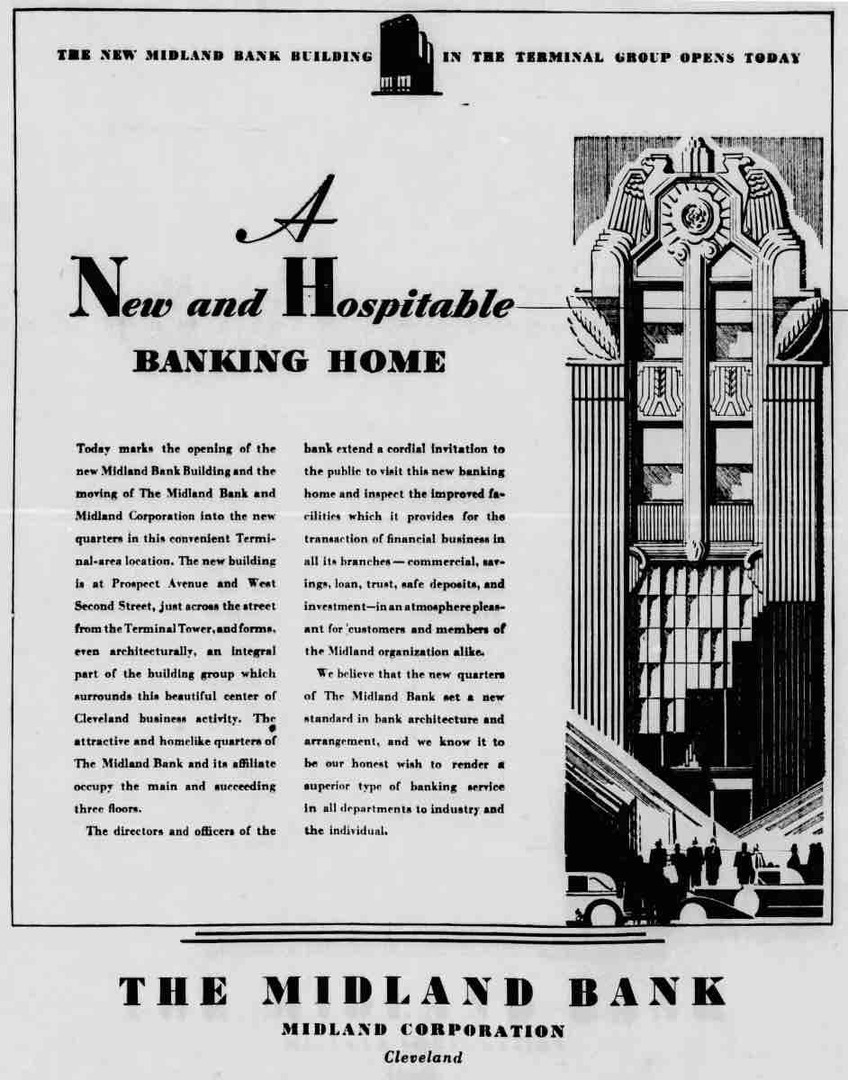
In keeping with the idea of a city within a city, each building focused on a different sector: the Medical Arts Building was built for physicians’ and dentists’ offices; the Builders Exchange Building was devoted to businesses associated with the building trades; and the Midland Bank Building was dedicated to banking institutions and other business firms. The buildings included passageways connecting them with each other and with other components of the Terminal complex. A skybridge over Prospect, planned to link the Medical Arts Building with Higbee’s department store, was never added.
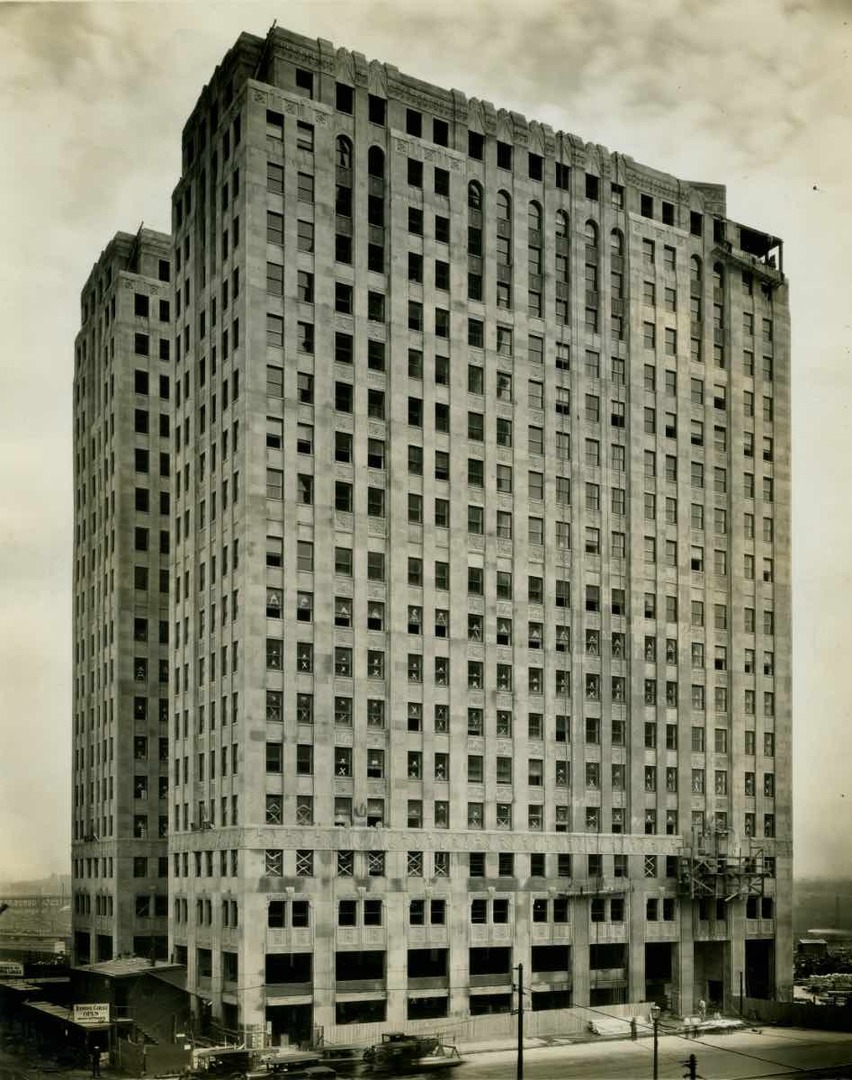
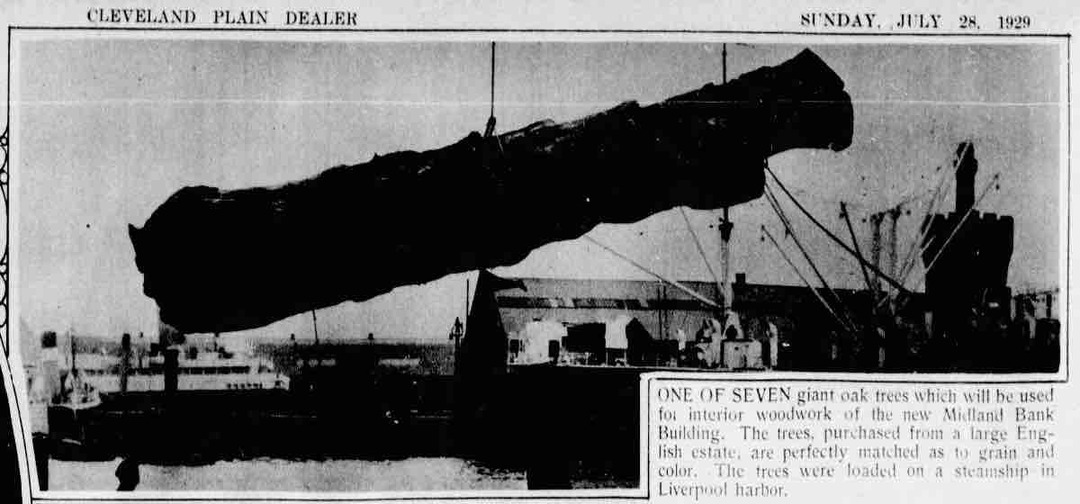
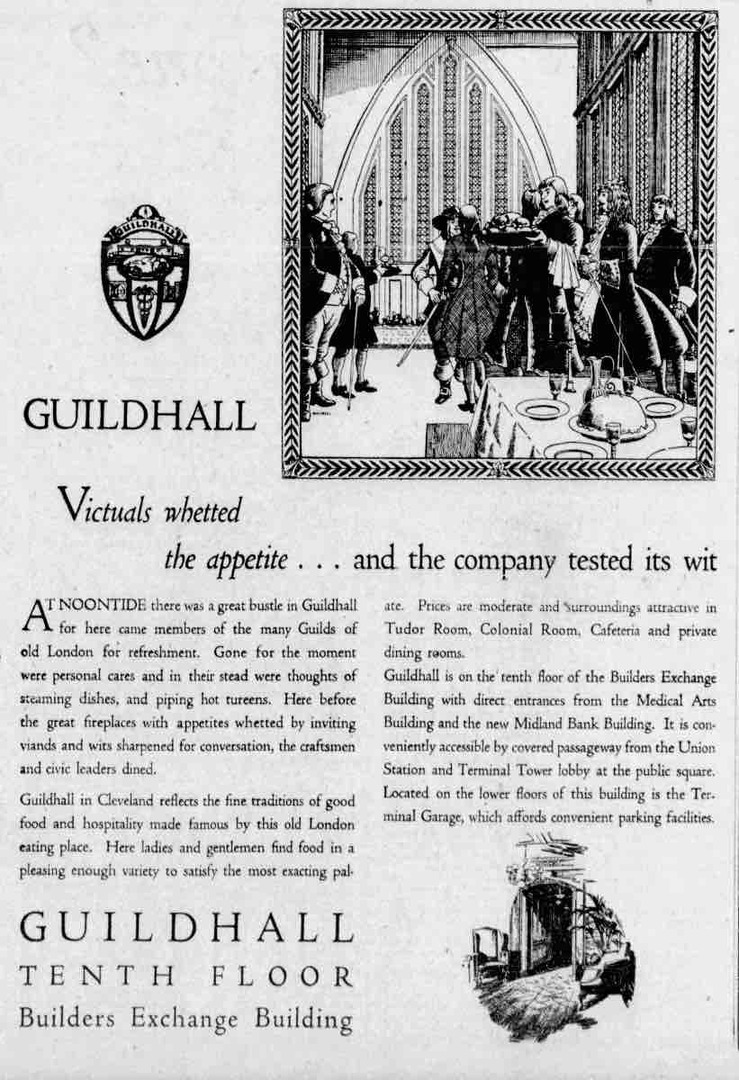
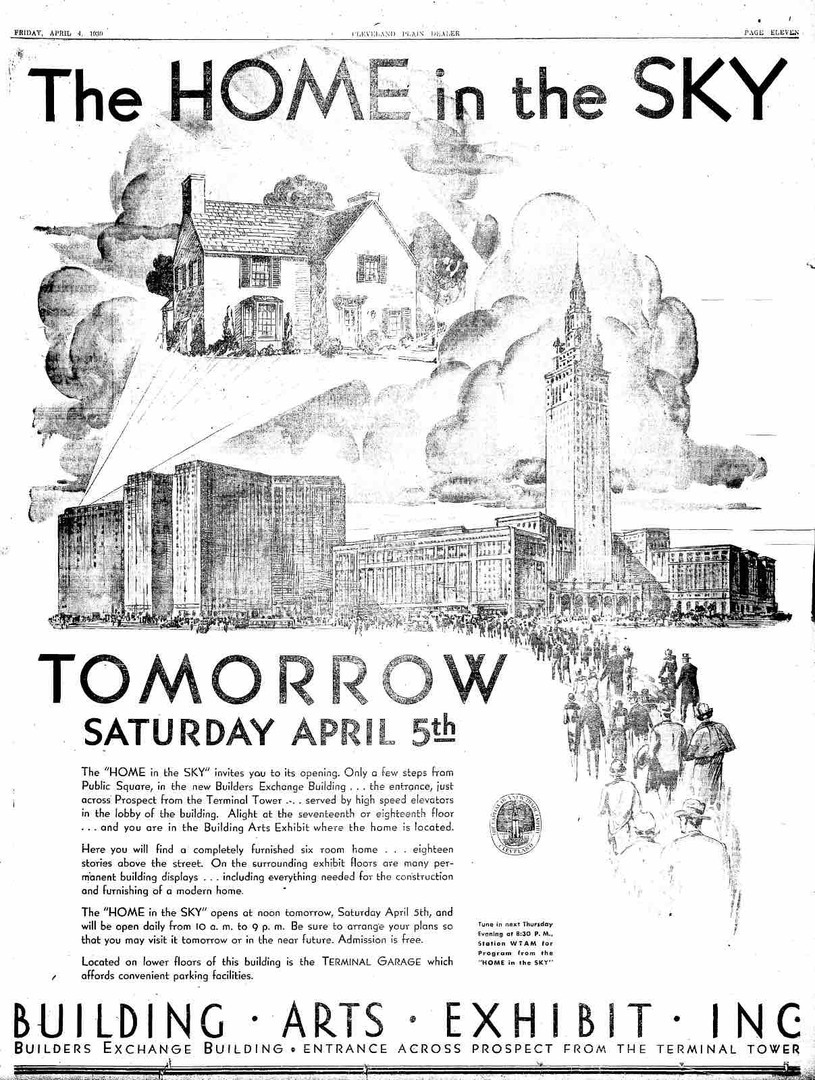
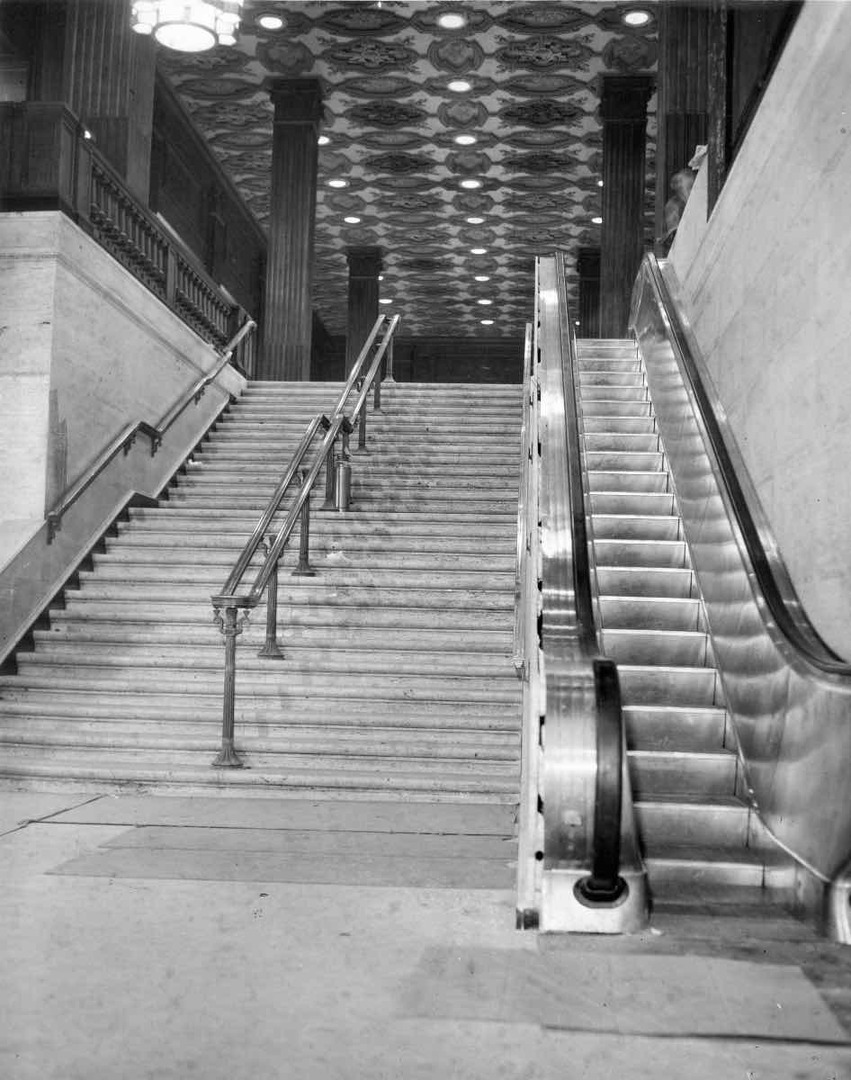
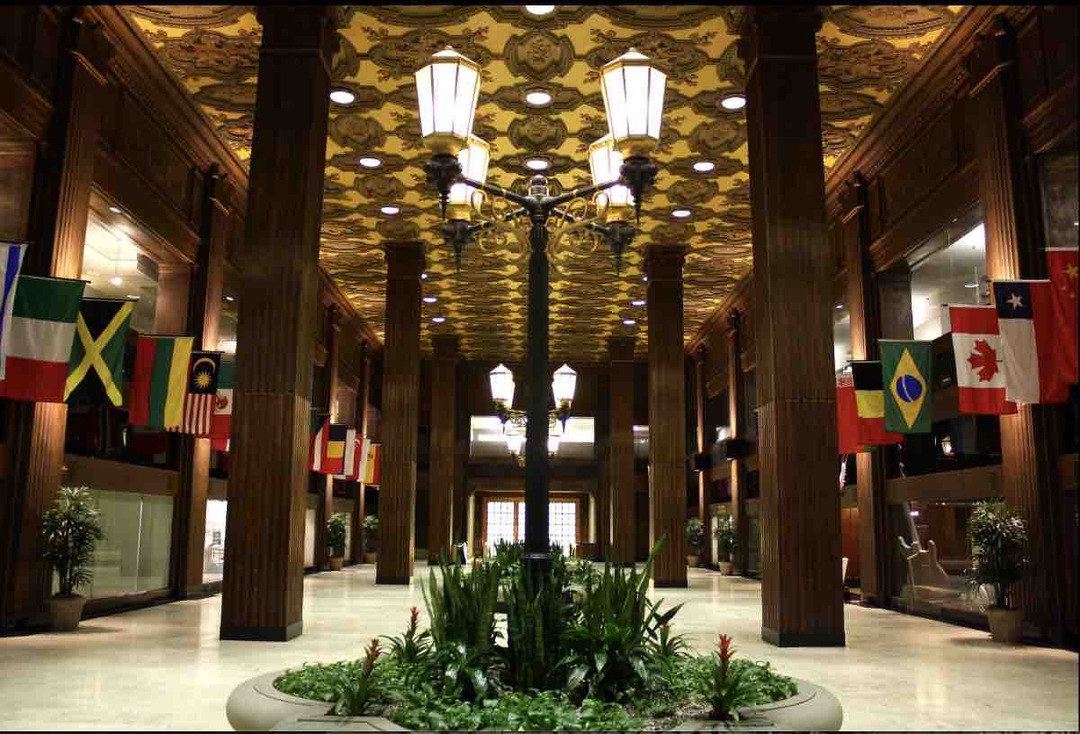
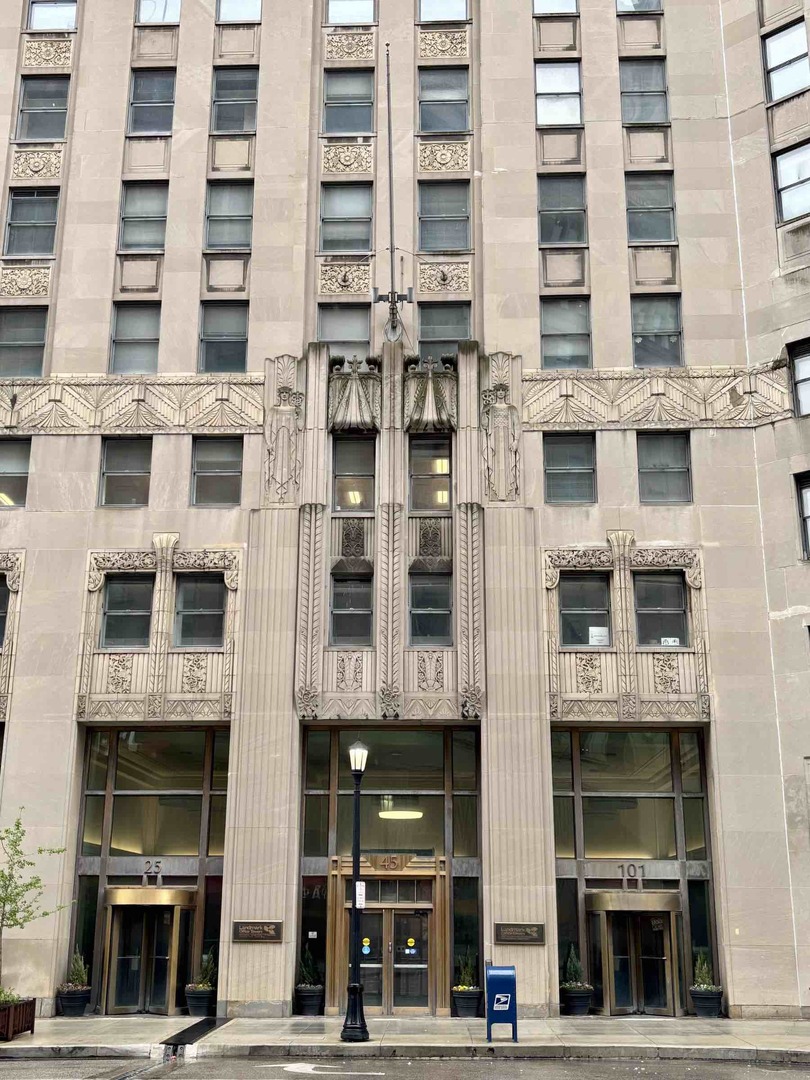
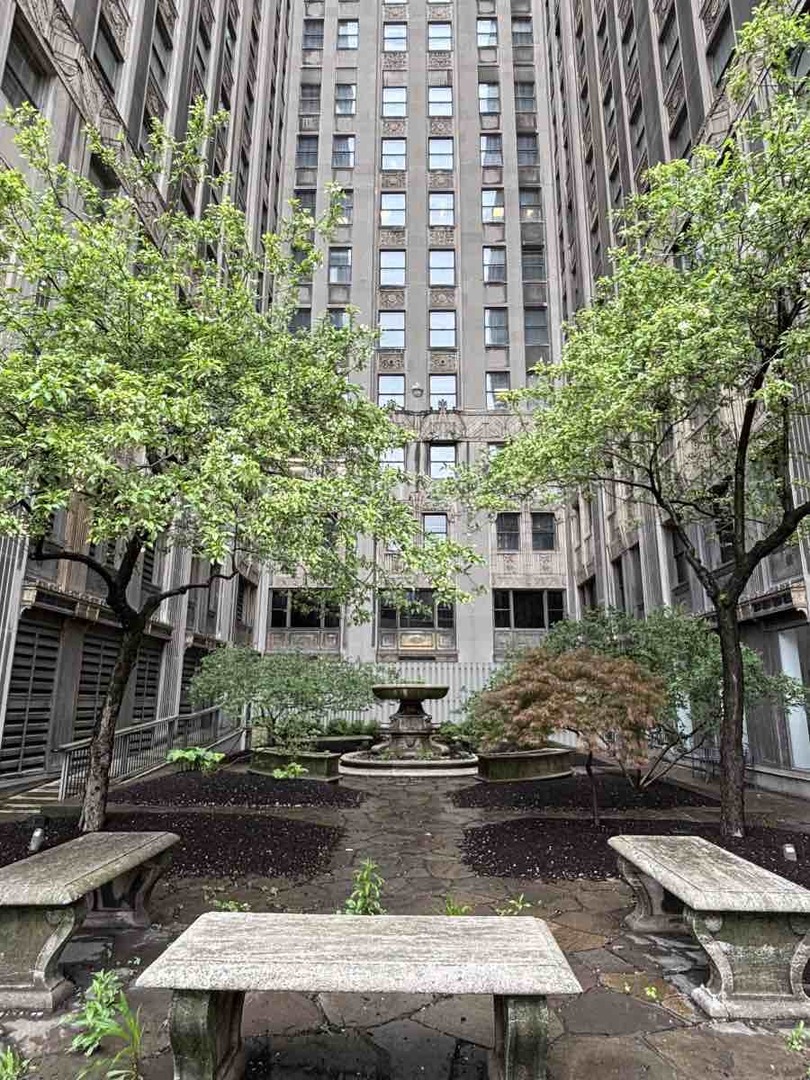
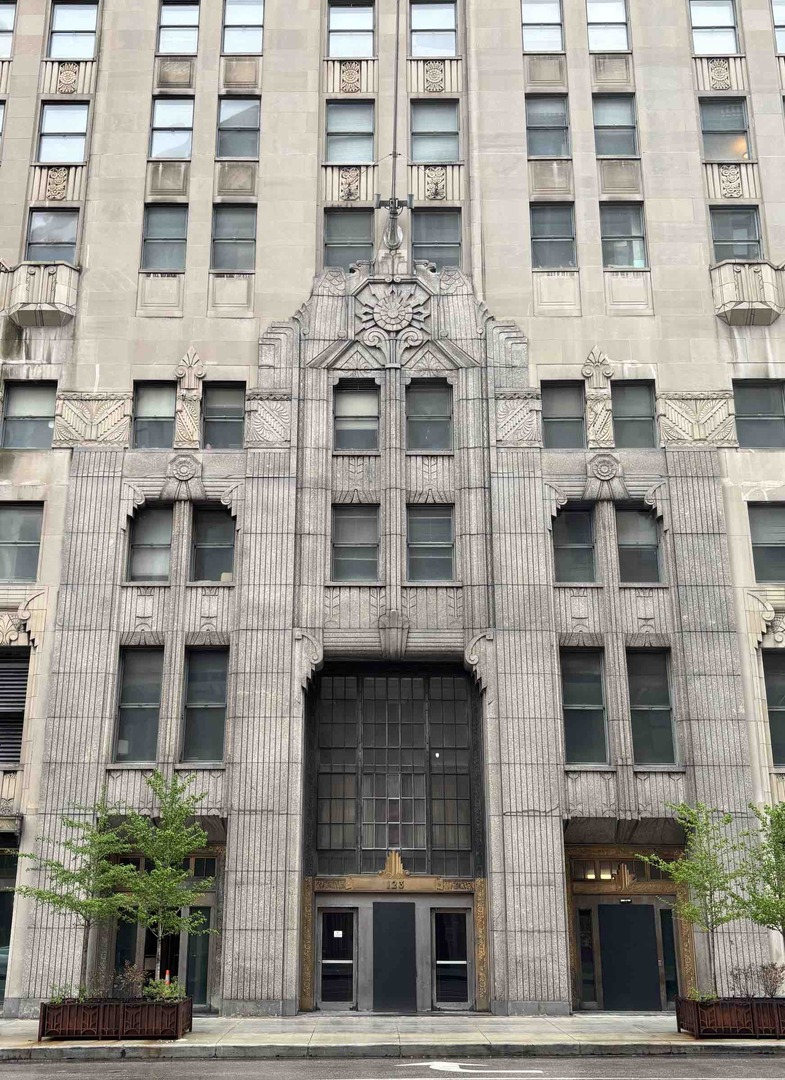
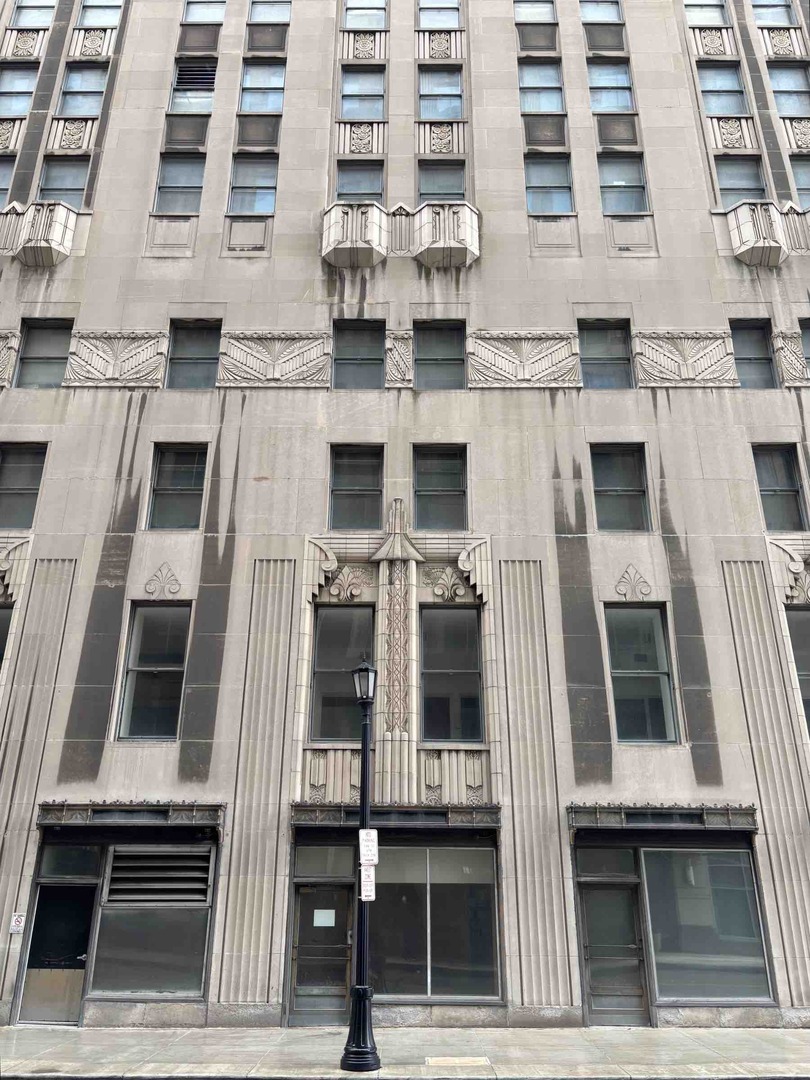
The three buildings were all built with structural steel frames clad with gray limestone on the lower four floors, cream face brick above, and terra-cotta trim near the tops. Detailed Art Deco motifs graced each facade, and the complex featured setbacks and light wells to break their bulk and provide ventilation. Inside, they featured travertine marble floors, fluted pilasters, plaster ceilings with ornamental friezes, and bronze elevator doors. The three-story lobby of the Midland Bank Building featured a wood-burning fireplace, a mezzanine, and pillars and panels carved from the trunks of seven giant oak trees. The trees were selected from an English estate and transported by steamship from Liverpool. The Builders Exchange Building included Guildhall, a tenth-floor restaurant inspired by a 15th-century London namesake, and a two-story demonstration house called the Home in the Sky on its two top levels.
The introduction of such an expansive block of choice office space soon after the onset of the Great Depression had a profound impact on downtown, precipitating a consolidation of business and professional activity around the Terminal and leaving older office buildings with hard-to-fill vacancies. Four major corporate headquarters relocated to the complex between 1930 and 1935. Two were local: Sherwin-Williams moved its offices from its Canal Road property into portions of the Midland Building and Builders Exchange Building, while Standard Oil Co. of Ohio (Sohio) left the East Ohio Gas Building on East 6th for the Midland Building. The Midland Building also attracted the Erie Railroad headquarters away from New York City in 1931 and Republic Steel from Youngstown in 1935. The arrival of the latter led the Medical Arts Building to be renamed the Republic Building.
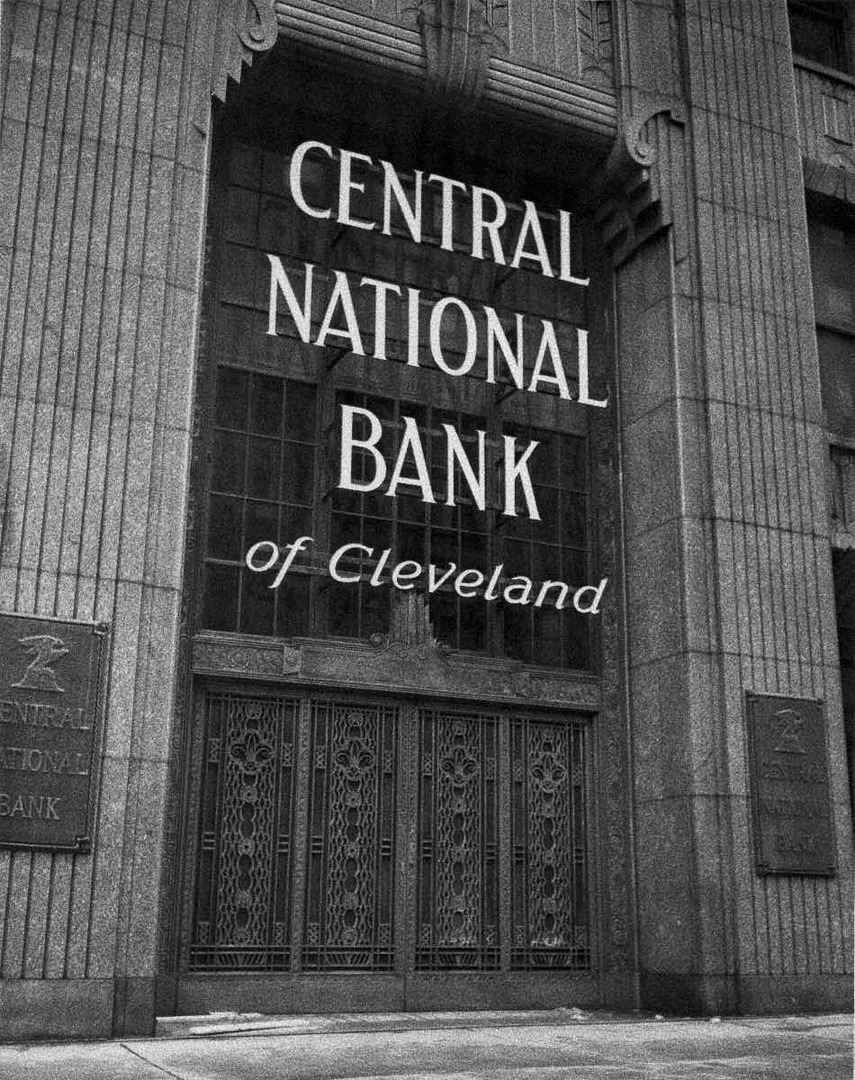
Yet the Depression also forced the complex to grapple with challenges. In 1932, Midland Bank went bankrupt and merged into Cleveland Trust, closing its offices in its namesake building. Three years later, the Van Sweringen Company went bankrupt. Thereafter, ownership of the towers complex was administered by the Prospect Terminals Building Co., a subsidiary of Cleveland Terminal Building Co. In 1940, the Cleveland Builders Exchange left for a new headquarters on Euclid Avenue, and Sherwin-Williams expanded to the floors that had housed the Exchange's Home in the Sky. At that time, the building was named the Guildhall Building.
In 1950, Cleveland Terminal Building Co. sold the entirety of the Union Terminal group except the rail station in 1950 to the 66 Trust of Philadelphia. That same year, the four main tenants of the towers complex — Republic Steel, Erie Railroad, Sohio, and Sherwin-Williams — formed RESS Realty (a portmanteau of their names) to coordinate leasing of office space in the three conjoined towers. For the 35 years that followed, the complex harbored a workforce of around 5,000 people.
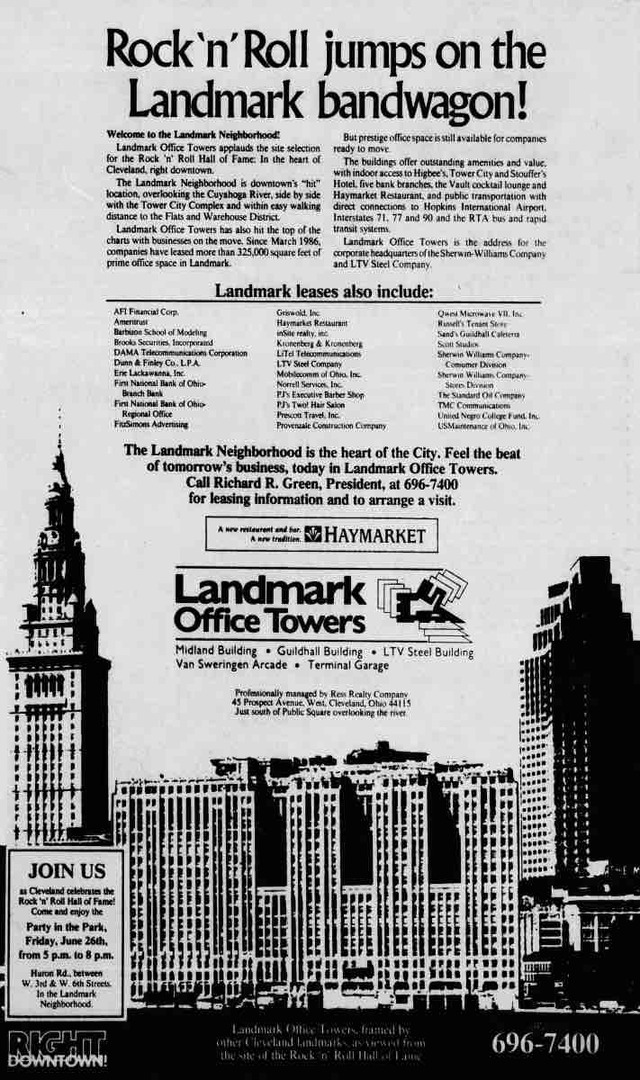
In 1986, ten years after the Erie-Lackawanna Railroad (formerly Erie Railroad) closed its Cleveland headquarters following its merger into Philadelphia-based Conrail, Sohio completed its move from the Midland Building to its new 45-story headquarters on Public Square. Following the departures of these firms and Republic’s recent merger into LTV Steel, RESS Realty was administered by only LTV and Sherwin-Williams. In the year preceding Sohio’s exit, RESS Realty renovated and rebranded the LTV-Guildhall-Midland Building complex as Landmark Office Towers.
During the renovations, Sherwin-Williams bought the complex, bringing its ownership back to Cleveland. Changes included a central lobby for the elevator banks serving all three buildings, along with the revitalization of the Midland Building’s lobby, which Sohio had modernized into offices with dropped ceilings in 1970, as the Van Sweringen Arcade. The bank’s vault became Haymarket Restaurant, later Piperade, and then Hyde Park Chophouse until the space closed in 2011.
The renovation and promotion succeeded in turning around the towers at a critical time. After Sohio moved out, the complex’s occupancy dropped from 100% to 62%, but upon completion of the renovations, it bounced back to 90%. Landmark Office Towers had a nearly four-decade run until its owner, Sherwin-Williams, sold the complex to Detroit-based Bedrock in 2023 ahead of the paint and coatings company’s move to its new 36-story headquarters tower on Public Square. Today, the future of the complex seems tied to Bedrock’s Riverfront Cleveland project, but its precise use is uncertain. Office demand in downtown districts has not recovered from the pandemic collapse of 2020, and conversion of such a massive structure to residential use is costly. But the towers — with their Art Deco flourishes, contribution to a big-city atmosphere, and central location in an evolving downtown — deserve a new, bold vision.
Images